

Passenger entrapment and injury claims
A serviced elevator that traps or injures a passenger can lead to claims alleging negligent maintenance, even between scheduled visits.
Try a different word, or check the spelling.
You may take over a service contract for an elevator you did not install. Coverage needs to reflect the maintenance and inspection responsibilities you accept between scheduled visits.
The Southern Agency can help you align your maintenance work, public-facing liability, and crew needs with appropriate coverage.
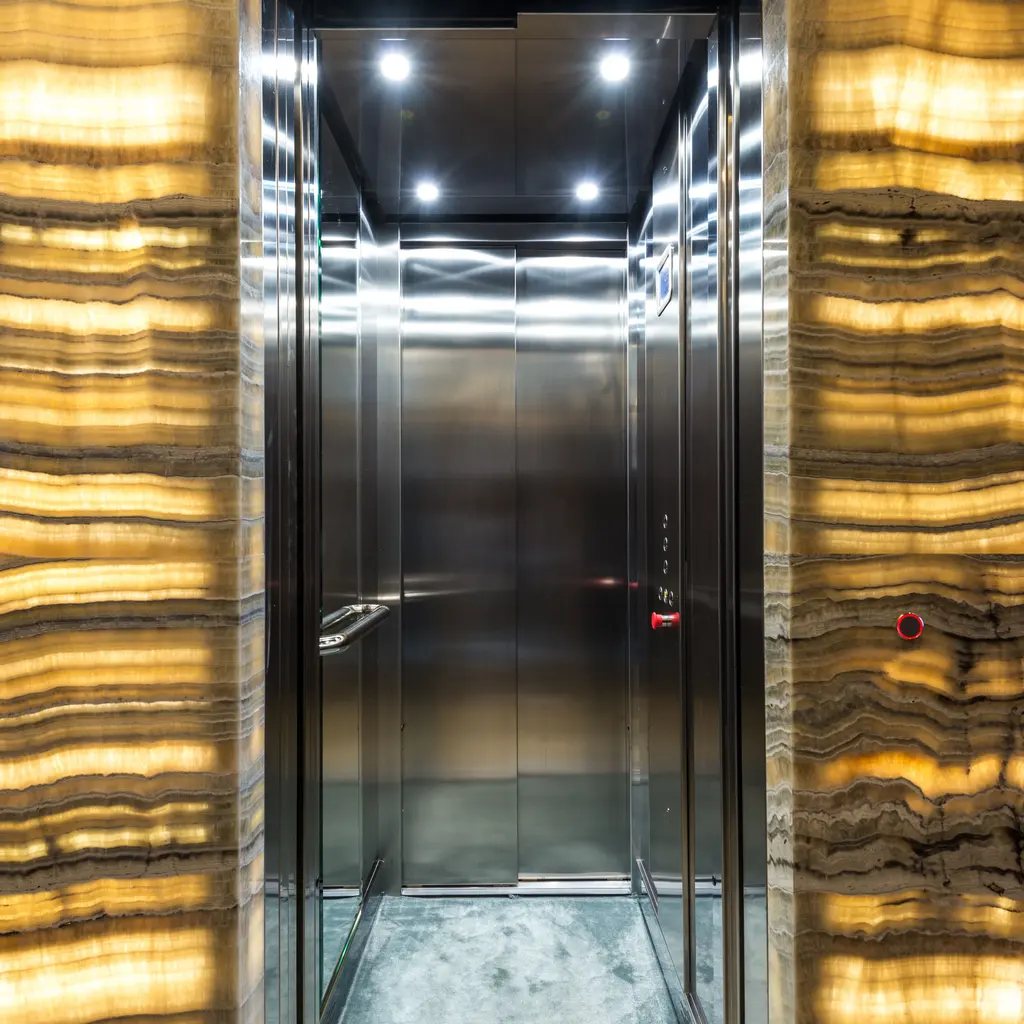
You maintain and modernize elevators in occupied buildings, where public safety and mechanical reliability are critical. Your technicians work in confined, high-risk areas like pits and car tops, and your ongoing service agreements create unique liability for equipment you did not initially install.
The Southern Agency can review your maintenance agreements and service-van requirements to help you select appropriate coverage. For example, we can discuss how professional liability may address certification errors, while general liability helps with passenger injury claims.
A serviced elevator that traps or injures a passenger can lead to claims alleging negligent maintenance, even between scheduled visits.
Ongoing responsibility for equipment the contractor did not install creates exposure when a serviced unit later malfunctions.
Working in pits, on car tops, and around moving machinery exposes technicians to falls, crush, and electrical injuries.
Missing a defect during inspection or certification can lead to liability if a failure occurs after the unit is signed off.
Constant travel to dispersed buildings with parts-laden vans raises auto accident and in-transit equipment exposure.
Controllers, diagnostic gear, and specialty tools carried by technicians are valuable and frequently targeted.
Policies to ask about. Which ones fit depends on your operations, your contracts, and the carrier’s forms.
These hypothetical examples are not agency claim results. Whether a loss is covered depends on the facts, policy terms, and applicable exclusions.
Hypothetical: a passenger is trapped days after service and alleges negligent maintenance. Review actual injury or damage allegations, contract duties and service/return-to-service records. Entrapment alone does not establish covered injury, fault or payment of every rescue, refund and downtime demand.
Hypothetical: a failure is blamed on an earlier inspection. Identify the contracted inspection, report limitations and actual professional-service definition, exclusions and reporting requirements. Review resulting harm separately from replacing the component or meeting a performance promise.
Hypothetical: a technician slips in an elevator pit and is injured. Workers' compensation may provide qualifying medical and wage benefits under applicable law. Identify the actual employer and access/isolation duties; another firm's worker, diagnostic gear or the customer's unit require separate liability and property review.
Start with the work you do and the questions your current policies leave unanswered. Carrier options depend on your location, risk, and underwriting. Explore our approach.
Service-focused elevator contractors commonly carry general liability with completed operations, workers' compensation, professional liability, business auto, and inland marine. The right mix depends on operations, subject to underwriting.
Your actual maintenance, callout and reporting duties matter, as do the cause and alleged harm. GL may address covered resulting injury or damage, but accepting service does not make every later malfunction your fault or every uptime, rescue or replacement demand insured. Preserve service logs and owner recommendations alongside prior policies.
If you perform inspections, certifications, or modernization design, professional liability may help with errors in those decisions. Coverage depends on the work and underwriting.
Technicians travel constantly between buildings, so business auto is commonly central to the program. Coverage availability and terms depend on drivers, vehicles, and underwriting.
General liability may respond to passenger injury claims tied to serviced equipment, subject to the specific policy terms, exclusions, and the facts of the loss.
Inland marine commonly covers diagnostic gear and specialty tools in transit and at job sites. Coverage depends on the specific policy and how items are scheduled.
Bring your questions, current policies, and relevant contracts. An agent can review coverage terms, exclusions, and the information carriers ask for, then explain the options available to you.