

Cofferdam or diversion failure
Temporary water-control works can breach, flooding the active work area and threatening downstream property and the public.
Try a different word, or check the spelling.
Your project may span several seasons, with gates, temporary diversions, and unfinished structures at different stages. Coverage needs to keep pace with the work and the equipment used around the water.
The Southern Agency can help you review water-control work, equipment, and project obligations together.
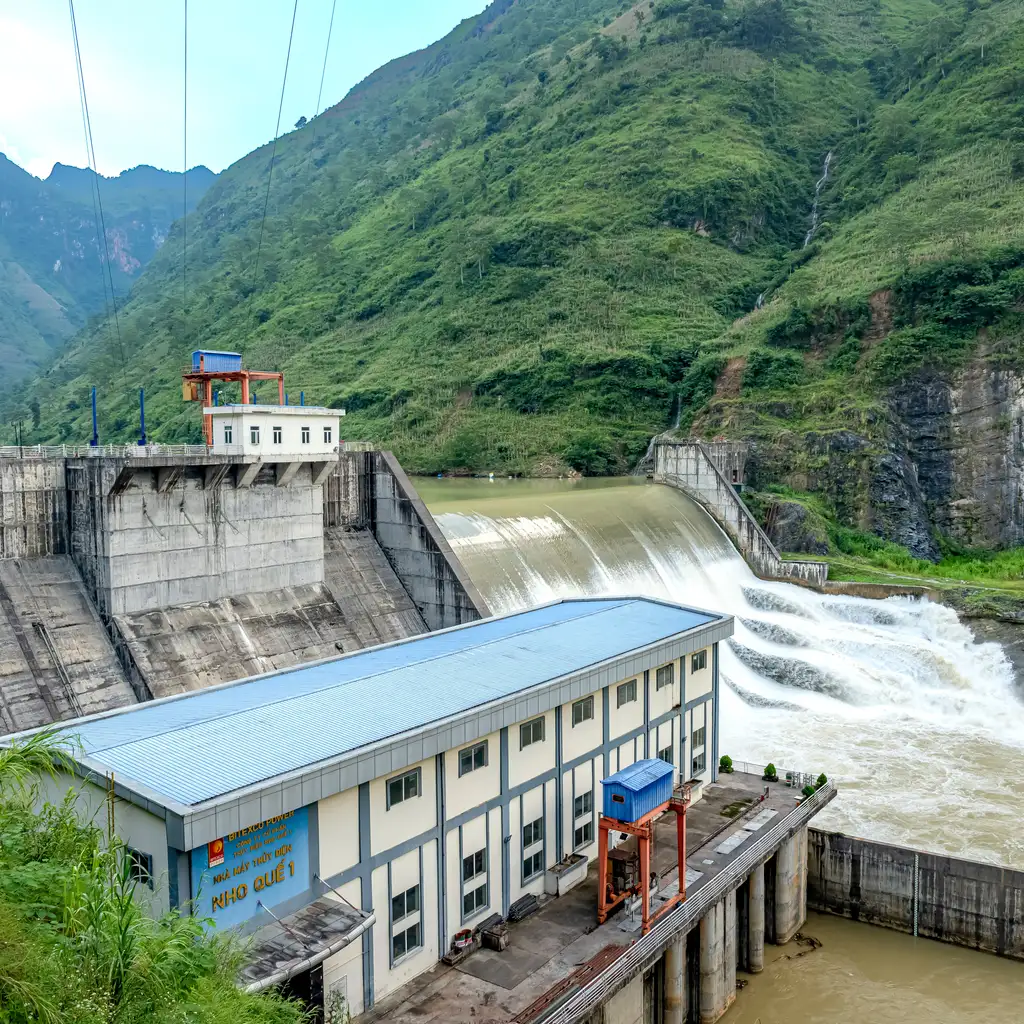
You may divert rivers, place mass concrete or install gates and hydraulic systems on dam and lock projects. A cofferdam breach can damage unfinished work and threaten property downstream, while lifting and work around water put your crews at risk.
The Southern Agency can review the phases you undertake, including temporary works and testing, to help you choose insurance. Builders risk for the structure and liability for damage to others need separate attention, as do equipment used afloat and the people operating it.
Temporary water-control works can breach, flooding the active work area and threatening downstream property and the public.
Defective placement or design issues in a dam, lock, or spillway can lead to severe collapse and third-party harm.
Disturbing waterways can release sediment or contaminants, raising cleanup, discharge-permit, and pollution-liability questions.
Cranes, draglines, and barges operating around water face overturn, sinking, and serious operator injury risks.
Multi-year projects leave partially completed structures and materials exposed to flooding and severe weather.
Crews working in dewatered cells, near currents, and in confined gate chambers face drowning and asphyxiation hazards.
An actual contract or public-work rule may require performance or payment bonds. A default allegation raises separate bond terms, notice and approval questions; it does not automatically establish an insured accident or payment.
Policies to ask about. Which ones fit depends on your operations, your contracts, and the carrier’s forms.
These hypothetical examples are not agency claim results. Whether a loss is covered depends on the facts, policy terms, and applicable exclusions.
An unexpected high-water event overtops a cofferdam and floods the active work area, damaging placed concrete. Builders risk may respond depending on policy terms, perils insured, and the facts.
Construction releases sediment that violates a discharge permit downstream. Environmental terms may address covered cleanup or liability costs if the operation, release and obligation are included. Review reporting, defense and exclusions separately from penalties and normal compliance; the permit violation does not establish every regulatory cost is insured.
A crane operating near the abutment overturns, injuring a worker and damaging equipment. Workers' compensation may provide qualifying employee medical and wage benefits under applicable law; equipment terms may address covered loss to insured damaged items. Identify actual employers, duties, equipment owners, and any vessel involvement. The event does not establish that the crane itself was damaged or that one policy covers every injury and property interest.
Start with the work you do and the questions your current policies leave unanswered. Carrier options depend on your location, risk, and underwriting. Explore our approach.
Check the actual contract, obligee and applicable public-work rule for performance or payment requirements. The bonds support different specified obligations to the obligee or eligible beneficiaries, subject to project and financial review, capacity, and surety approval. They are not accident insurance, and indemnity may require reimbursement to the surety.
Builders risk coverage may respond to covered losses to the works during construction, and flood often must be specifically addressed given the water-adjacent setting, subject to policy terms.
GL pollution exclusions may limit a response. Separate environmental terms may address covered cleanup or third-party liability from included sediment, fuel, or waterway-contamination releases. Review accepted operations, contaminants and reporting; permit violations, fines and preventive compliance are not automatically insured costs.
Project-property terms may address covered damage to insured works, liability may address resulting harm to others, and environmental terms may address an included release and cleanup obligation. Identify the actual cause, damaged interests, and contractual responsibilities, then review each policy's perils and exclusions. Failure alone does not establish payment for all repairs, defective-work correction, downstream harm and cleanup together.
A water-control failure can harm people or property downstream, and excess may add limits above covered underlying liabilities. Compare actual downstream exposures, owner requests, accepted dam and lock duties, schedules, attachment and exclusions before choosing limits. A larger limit does not add excluded design or pollution coverage or insure the dam itself.
Equipment terms may address covered physical loss to insured cranes, pumps, and gear if the actual water use is accepted. Review owned and rented schedules, locations, sinking, and recovery terms. Barges and floating cranes need separate hull and vessel-liability review under actual ownership or charter arrangements; an inland marine label does not establish every afloat interest is covered.
Bring your questions, current policies, and relevant contracts. An agent can review coverage terms, exclusions, and the information carriers ask for, then explain the options available to you.