

Settling and cracking claims
Inadequate compaction or reinforcement can let a foundation settle or crack over time, causing structural damage to the building it supports.
Try a different word, or check the spelling.
Other trades build on your foundation long before every defect would become visible. Completed-work liability deserves attention beyond the tools and excavation equipment used during the pour.
The Southern Agency can review your excavation, foundation and waterproofing duties against appropriate liability and property terms.
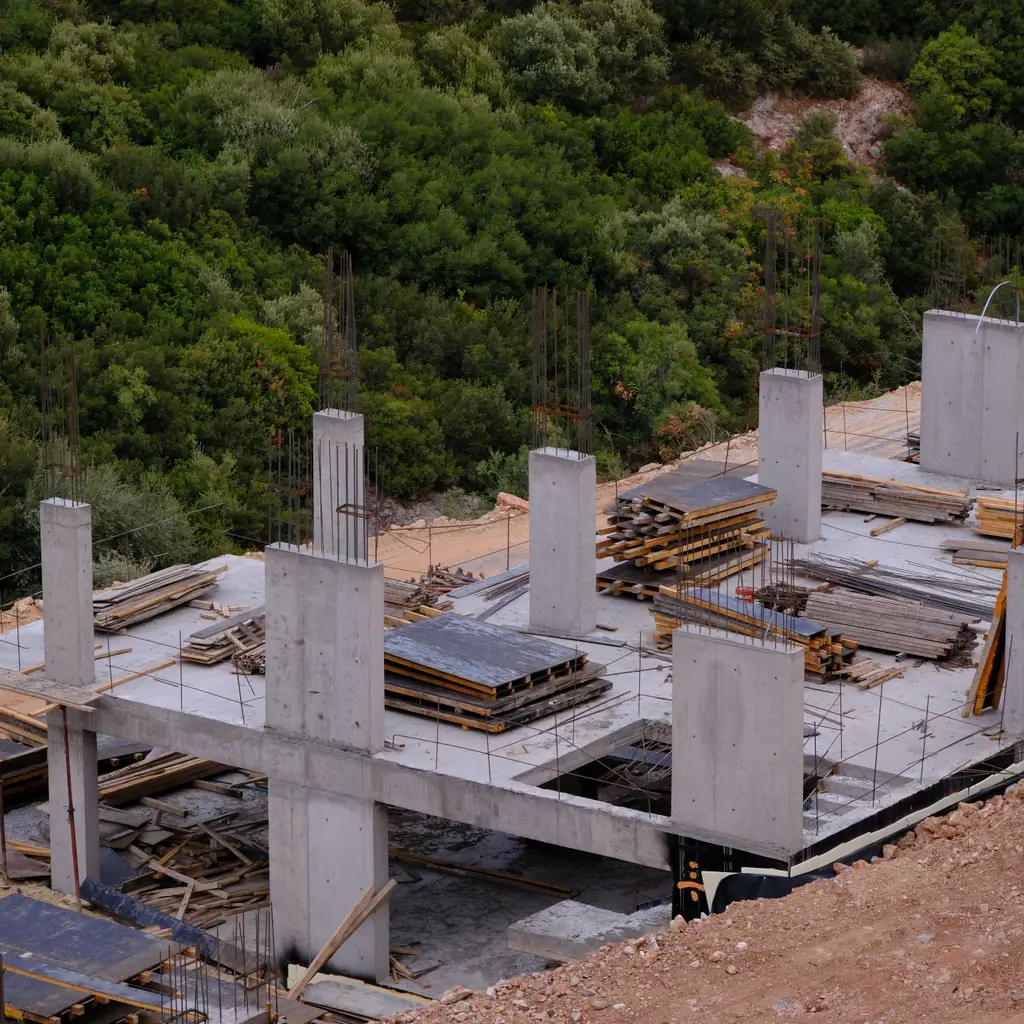
You manage excavation, reinforcement and pouring for critical building foundations, where soil movement or water intrusion can cause long-term structural issues. These complex job sites often involve heavy equipment and tight spaces that increase the risk of cave-ins or damage to adjoining properties.
The Southern Agency can review your excavation, reinforcement and foundation work to help you choose insurance. We can discuss liability for resulting damage separately from the cost of correcting defective waterproofing or settling work.
Inadequate compaction or reinforcement can let a foundation settle or crack over time, causing structural damage to the building it supports.
Digging footings and basements exposes crews to cave-ins and struck-by hazards from soil walls and earthmoving equipment.
Improper waterproofing or cold joints can allow water into basements and slabs, leading to mold and property damage claims.
Foundation defects often surface years later, creating claims well after a project is finished and final payment received.
Excavation and dewatering near neighboring structures can undermine footings or cause settlement on adjoining parcels.
A builder or public owner may request bonds, particular liability terms or completed-work periods. Compare the actual agreement and approval timing; neither requested limits nor a bond make defective foundation correction automatically insured.
Policies to ask about. Which ones fit depends on your operations, your contracts, and the carrier’s forms.
These hypothetical examples are not agency claim results. Whether a loss is covered depends on the facts, policy terms, and applicable exclusions.
Hypothetical: a residential foundation settles two years after the pour and cracks the home above. GL completed-operations terms may address covered resulting building damage. Separate correcting the foundation and preserve construction, completion, damage and discovery records and prior policies. The two years alone do not select a responding insurer; actual triggers, exclusions and governing law matter.
Hypothetical: a footing trench caves in and injures a worker before the pour. Workers' compensation may provide qualifying medical and wage benefits under applicable law. Identify the actual employer and excavation duties; another firm's worker and damage to adjoining property require separate liability review.
Hypothetical: defective waterproofing lets water into a finished basement. GL may address covered resulting interior damage under actual water and work-property terms. Identify responsible trades and review any mold allegation separately from replacing the waterproofing. Neither correction nor every mold or cleanup cost follows automatically from the property-damage claim.
Start with the work you do and the questions your current policies leave unanswered. Carrier options depend on your location, risk, and underwriting. Explore our approach.
Discuss liability for resulting harm, employee benefits, vehicles, mobile equipment and actual project-property, excess and bond obligations. Describe excavation, waterproofing, design, and subcontracted duties. Products, eligibility and limits depend on actual operations, employment arrangements and contracts, not a standard package for every foundation firm.
Settlement or water damage may be alleged after handoff, and completed-operations terms may address covered resulting injury or property damage. Preserve work, completion, damage, and discovery dates and prior policies. Later discovery or the year of the pour alone does not select a responding policy; actual triggers, exclusions, and governing law matter.
GL may address covered resulting damage to the supported home under actual completed-operations terms. Correcting the defective foundation and any design-service allegation need separate review. Keep soil, compaction, reinforcement, pour and damage records and check work-property, subsidence, and other exclusions; the cracked home does not establish every repair cost is insured.
They can undermine neighboring footings or cause settlement. GL may address covered resulting third-party damage if the actual excavation and dewatering work is included. Describe depth, support and design duties and compare underground, collapse, subsidence, water, and professional-service terms; a foundation classification alone does not establish acceptance.
Read the actual agreement and applicable public-work requirements for bid, performance, or payment bonds and the obligee. Capacity and approval depend on the project and surety review of financials and experience. Bonds support specified obligations, not every accident or correction cost, and indemnity terms can require reimbursement to the surety.
Inland marine coverage may help protect equipment and tools at job sites and in transit, depending on scheduled limits and policy terms.
Bring your questions, current policies, and relevant contracts. An agent can review coverage terms, exclusions, and the information carriers ask for, then explain the options available to you.