

Damage to the structure being moved
A jacking imbalance, cribbing failure, or shift in transit can crack, drop, or destroy the high-value building being relocated.
Try a different word, or check the spelling.
The load you lift may be your customer's entire building. Your insurance needs to follow it from temporary supports to any road journey, not stop at the value of the jacks and beams.
The Southern Agency can help you review lifting equipment and customer structures during support and transport.
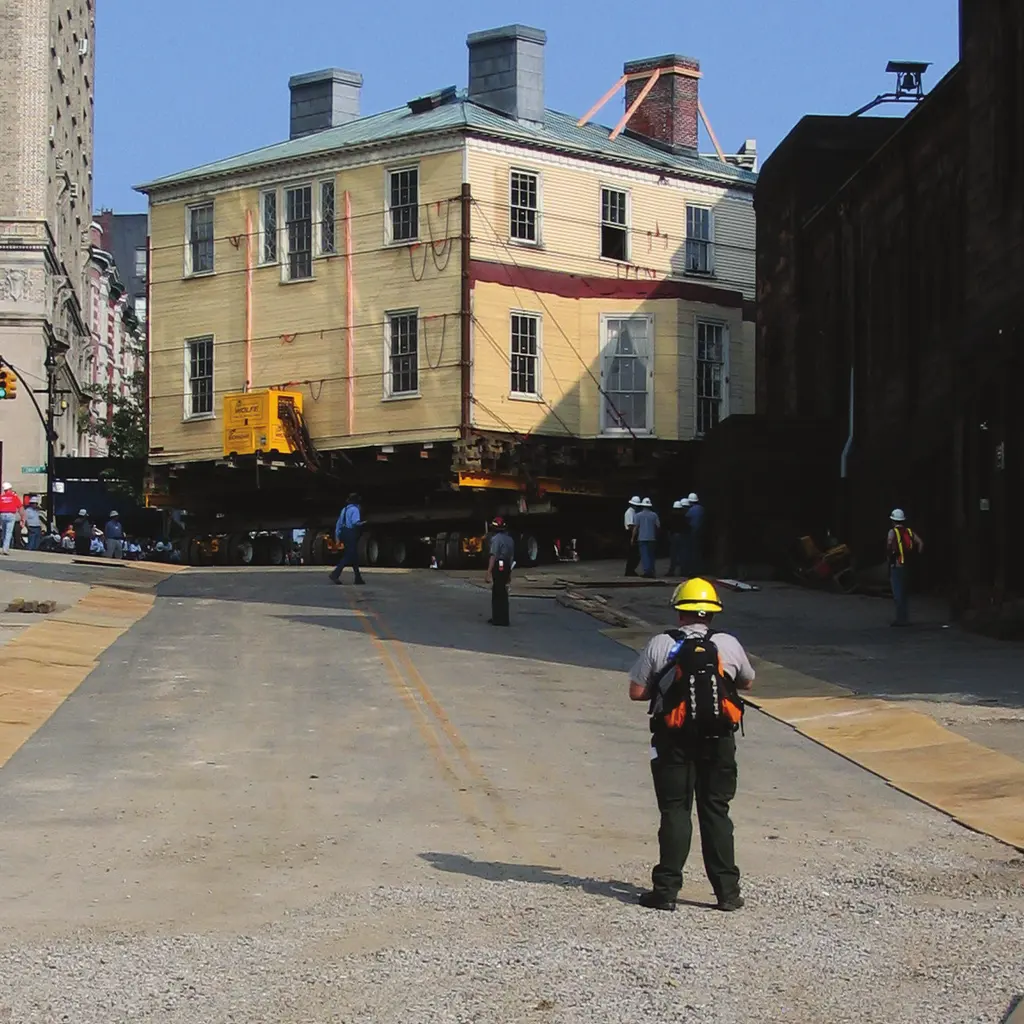
You relocate or elevate structures using hydraulic jacks, steel beams, and dollies, whether for flood mitigation or site-to-site transit. This work is highly sensitive, as a shifting load or a failure in the cribbing can damage the structure being raised or transported.
The Southern Agency can review your jacking, transport, and foundation work to help you select insurance. We can discuss protection for your lifting equipment separately from customer buildings on temporary supports or in transit.
A jacking imbalance, cribbing failure, or shift in transit can crack, drop, or destroy the high-value building being relocated.
Temporary supports under heavy loads can fail, endangering crews and the structure during a lift or hold.
Working beneath and beside loaded jacks, beams, and dollies exposes crews to severe crush and struck-by injuries.
Moving a structure over public roads adds collision, overturn, and traffic exposure along the approved route.
Tall loads in transit can strike overhead lines, signals, and trees, causing outages and third-party damage.
Lifting and excavation can damage the customer's foundation, utilities, landscaping, or neighboring structures.
Oversize moves require permits and approved routes, and noncompliance can bring penalties, delays, and disputes.
Policies to ask about. Which ones fit depends on your operations, your contracts, and the carrier’s forms.
Ready to compare options?
Get a quote for Building Raising or Moving Contractor Or call 1-800-777-1TSAThese hypothetical examples are not agency claim results. Whether a loss is covered depends on the facts, policy terms, and applicable exclusions.
An uneven jacking sequence cracks a home's load-bearing walls during elevation. Review whether the customer's structure and this lifting stage are insured, including property-being-worked-on and care-custody-control terms. Insurance on the jacks or on later road transit does not establish coverage for this loss.
A building being moved strikes an overhead utility line and causes an outage. Identify the vehicle and load arrangement, transport stage, physical damage, and outage allegations. Auto and general liability terms need coordinated review; do not assume the event belongs under GL or that every outage cost is covered.
Excavation for foundation replacement undermines a neighbor's driveway and causes settlement. General liability may address covered third-party damage, subject to the actual operations and exclusions. The neighbor's driveway is a different property interest from the customer's building being held on cribbing.
Start with the work you do and the questions your current policies leave unanswered. Carrier options depend on your location, risk, and underwriting. Explore our approach.
Map the job from the first lift through cribbing, loading, transit, unloading, and final setting. Ask the insurer to identify which stages and values are insured. A contractor equipment schedule or ordinary cargo policy is not confirmation that an entire building is covered throughout the operation.
Review coverage for the building as property being worked on or held in your control, including jacking imbalance and temporary-support failure. Do this before lifting; general liability may exclude the very property being raised. Coverage depends on the actual wording and facts.
Yes. Identify the vehicles, trailers, dollies, and transport arrangements used on public roads. Review liability for a collision or damage caused by the load separately from physical damage to the customer's building.
Submit a claim for review under the relevant auto and liability policies rather than assuming general liability applies to every road-move incident. The vehicle's involvement, loading or unloading stage, policy definitions, and facts matter. Route approvals do not themselves provide insurance.
Inland marine may help with covered loss to insured jacks, beams, cribbing, and dollies. Review values, rented gear, transit, and damage during use. Insuring those tools does not necessarily insure the structure they support.
Separate elevation-in-place and road-moving work. Provide building types and maximum values, lift heights, holding periods on temporary supports, route distances and clearances, equipment schedules, payroll, loss history, and sample contracts.
Bring your questions, current policies, and relevant contracts. An agent can review coverage terms, exclusions, and the information carriers ask for, then explain the options available to you.