

Dump truck collisions and rollovers
Heavy loaded trucks cycling between sites face elevated collision and rollover risk, driving severe injury and damage claims.
Try a different word, or check the spelling.
Your loaded truck moves from public roads onto ground that may be uneven when it is time to tip. Insurance needs to account for the hauling and unloading work, not just the truck's value.
The Southern Agency can help you review your hauling routes, loads and loading or dumping responsibilities.
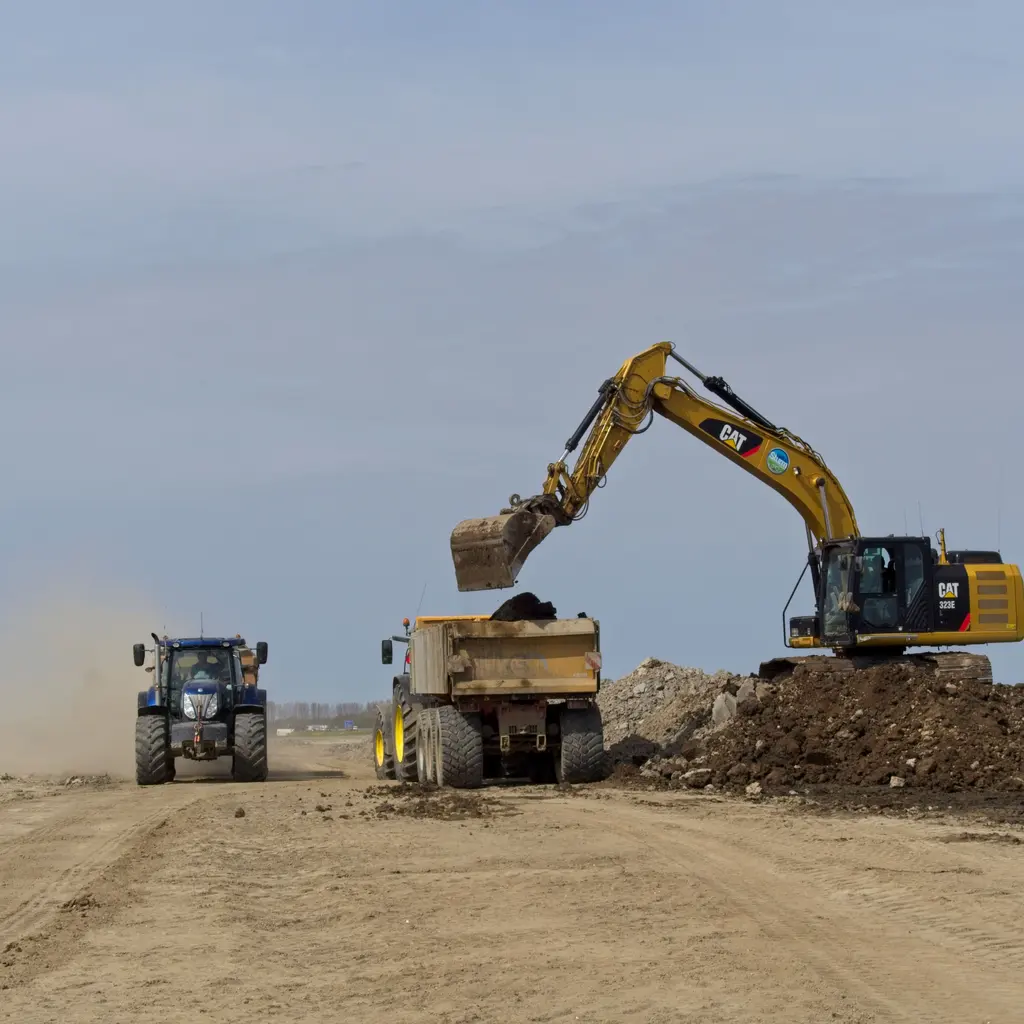
You move soil, fill and excavated material between pits, jobsites and disposal areas in dump trucks or trailers. A loaded truck can overturn on the road or while tipping, and spilled material can damage property or injure someone.
The Southern Agency can review the materials you haul and your loading and dumping duties to help you choose insurance. We can compare truck liability with cargo and equipment protection, so the vehicle and its load receive separate attention.
Heavy loaded trucks cycling between sites face elevated collision and rollover risk, driving severe injury and damage claims.
Raising a loaded bed on uneven ground or near overhead lines can cause tip-overs, contact, and serious incidents.
Soil and fill can spill onto roadways or shift in transit, causing accidents and third-party damage.
Exceeding weight limits raises safety, road-damage, and citation exposures that can affect liability and operations.
Trucks backing and maneuvering among workers and equipment at job sites can cause struck-by injuries and property damage.
Climbing in and out of cabs, tarping loads, and long shifts expose drivers to falls and strain injuries.
Dump trucks, trailers, and tarping systems are valuable assets exposed to damage, vandalism, and theft.
Policies to ask about. Which ones fit depends on your operations, your contracts, and the carrier’s forms.
These hypothetical examples are not agency claim results. Whether a loss is covered depends on the facts, policy terms, and applicable exclusions.
Hypothetical: a loaded dump truck rolls over and injures its driver and another motorist. Workers' compensation may provide qualifying employee benefits; auto liability may address covered harm to the motorist. Review employer, truck or load loss and excess attachment separately; auto and umbrella do not automatically pay every part of the incident.
Hypothetical: fill spills from an uncovered load and a following vehicle crashes. Auto liability may address covered third-party harm. Review insured load value, roadway removal and pollution cleanup separately; cargo insurance does not automatically pay the motorist or every spill expense.
Hypothetical: a raised bed contacts an overhead line while dumping, causing damage and an outage. Auto or GL terms may address covered resulting third-party harm under actual vehicle, attached-machinery and loading provisions. Separate line damage and loss of use from downstream financial demands; site location alone does not establish GL coverage or payment of every outage bill.
Start with the work you do and the questions your current policies leave unanswered. Carrier options depend on your location, risk, and underwriting. Explore our approach.
Dump trucks are central both on roads and at loading and dumping sites. Auto terms may address covered vehicle liability and selected truck damage, while employee benefits, eligible loads and non-auto site work need separate review. Loading, attached machinery, and actual use matter; being at a job site does not automatically make the incident a GL claim.
It may address covered physical loss to an eligible load, depending on the material, owner or liability interest, stage and cause. Provide actual values and describe any discarded or contaminated soil. Replacing the load, clearing the road and responding to pollution or another motorist are different costs; a cargo limit does not establish all are included.
Auto liability may address covered injury or property damage to others. Confirm any cargo interest and removal extension separately from pollution cleanup, truck damage, and fines. Material eligibility, ownership, cause, and loading or transit stage matter; a cargo policy does not automatically pay the following motorist or all spill costs.
Workers' compensation may provide qualifying crash, fall, tarping or strain benefits under applicable law. Review actual employers, drivers, work states and duties; legal obligations are not decided by underwriting or an independent-contractor label. Liability to other motorists and damage to the truck need separate protection.
Severe truck or site claims can exceed primary liability limits, and excess terms may add limits above covered underlying liabilities. Compare actual customer requests, auto, GL and employers-liability schedules, attachment and exclusions. Extra liability limits do not insure the truck or load itself, fines, or excluded operations.
Underwriters weigh fleet size, driver records, load types, mileage, payroll, and loss history. Coverage availability depends on underwriting.
Bring your questions, current policies, and relevant contracts. An agent can review coverage terms, exclusions, and the information carriers ask for, then explain the options available to you.