

Cofferdam breach and flooding
A failed or overtopped cofferdam can flood an excavation, endangering crews and damaging in-progress work and adjacent property.
Try a different word, or check the spelling.
Keeping your excavation dry can affect soil and structures beyond its edge. Liability for that work and any discharge needs attention alongside the equipment working below grade.
The Southern Agency can help you align your insurance with the complex structural and environmental risks of your deep-foundation projects.
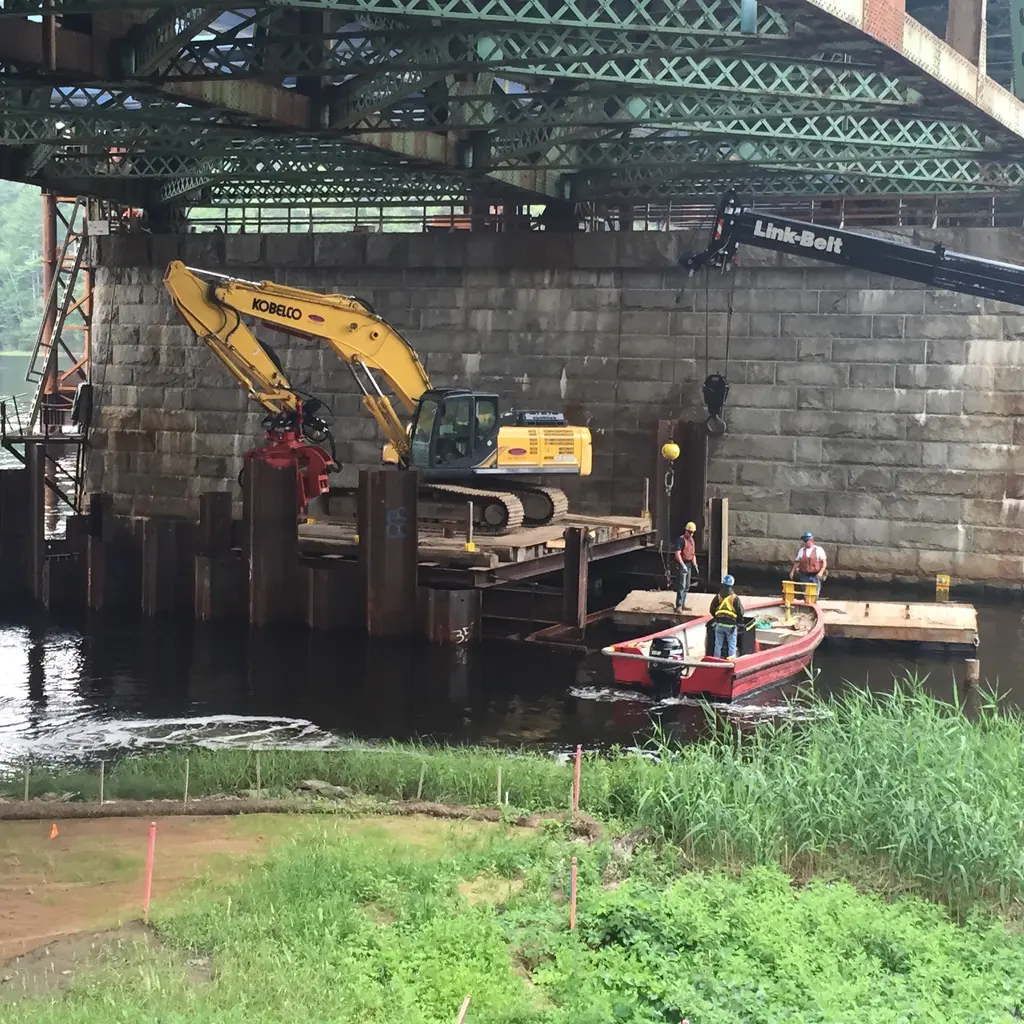
You sink caissons, drive piling and pump out water to build foundations for structures like bridges and piers. Your work with cranes, excavators and confined spaces can face problems if soil collapses, water floods your site or sediment is released into the environment.
The Southern Agency can review your deep-foundation methods, site control, and equipment ownership to help you select appropriate insurance. For example, we can help distinguish between coverage for accidental damage to a neighboring structure and costs to repair your own project’s structural defects.
A failed or overtopped cofferdam can flood an excavation, endangering crews and damaging in-progress work and adjacent property.
Deep, below-grade work risks cave-ins that can injure workers and undermine nearby structures and utilities.
Cranes, pile drivers, and excavators operating near water create struck-by, tip-over, and rigging-failure exposures.
Water-adjacent and below-grade conditions expose crews to drowning, crush injuries, and confined-space hazards.
Dewatering and excavation can settle or undermine neighboring buildings, bridges, and buried lines.
Pumped water and disturbed sediment can trigger environmental and regulatory exposure near waterways.
Pumps, barges, and machinery operating in water and mud are exposed to breakdown and physical loss.
Policies to ask about. Which ones fit depends on your operations, your contracts, and the carrier’s forms.
These hypothetical examples are not agency claim results. Whether a loss is covered depends on the facts, policy terms, and applicable exclusions.
Rising water overtops a cofferdam and floods the excavation, damaging in-progress foundation work. Project-property terms may address covered loss if the work and peril are included. Identify who bears the foundation loss under the contract. Pumps and temporary enclosures are different interests; review their actual schedules rather than assume one policy covers all three. This is not automatically a third-party GL claim.
Dewatering allegedly causes a neighboring building's foundation to settle and crack. GL may address covered third-party damage, but review the insured operations and any subsidence, dewatering, underground-work, or professional-services limitations. Preserve baseline surveys, water-level records, and the dewatering design.
A rigging failure damages a crane and idles the site. Equipment terms may help with covered physical damage if the machine and actual cause qualify. Document the failed component and cause; physical damage and internal breakdown are not interchangeable. Repairs, replacement hire, and delay costs need separate terms; inland marine does not automatically cover every consequence.
Start with the work you do and the questions your current policies leave unanswered. Carrier options depend on your location, risk, and underwriting. Explore our approach.
Dewatering discharge and disturbed sediment near waterways can create pollution exposure. Environmental liability may respond to those claims, depending on operations and policy terms.
Inland marine coverage may respond to physical loss of cranes, pile drivers, and pumps that move between and operate on tough sites, subject to scheduled limits and policy terms.
There is no single comparison that determines your limit. Consider actual adjacent structures, excavation depth, water, and collapse scenarios and contract requests. Excess may add limits above covered underlying liabilities, subject to scheduled policies, attachment, and exclusions; project value or a larger limit does not establish acceptance of every dewatering, pollution or professional duty.
A neighboring owner's cracked foundation may present a third-party damage claim, but dewatering, subsidence or underground-work restrictions can limit the response. Identify the methods insured and any temporary-works design duty. Baseline surveys and water-level records help distinguish the alleged damage from pre-existing conditions.
Read the actual public or private contract and applicable public-work requirements. Performance and payment bonds support different specified obligations to the obligee or eligible beneficiaries, subject to surety approval and capacity. They do not replace accident insurance, and indemnity can require you to reimburse the surety.
Underwriters weigh project depth and water proximity, equipment values, payroll, contract terms, and safety record. Coverage availability depends on underwriting.
Bring your questions, current policies, and relevant contracts. An agent can review coverage terms, exclusions, and the information carriers ask for, then explain the options available to you.