

Form blowout during placement
Excessive pressure or a tie failure can burst a wall form, releasing wet concrete that injures workers and damages adjacent finished work.
Try a different word, or check the spelling.
Your forms are temporary, but they carry the pour until the concrete can support itself. Coverage for reusable shoring and forms needs to be distinguished from protection for the project taking shape inside them.
The Southern Agency can help you evaluate your shoring and formwork risks to identify appropriate construction insurance.
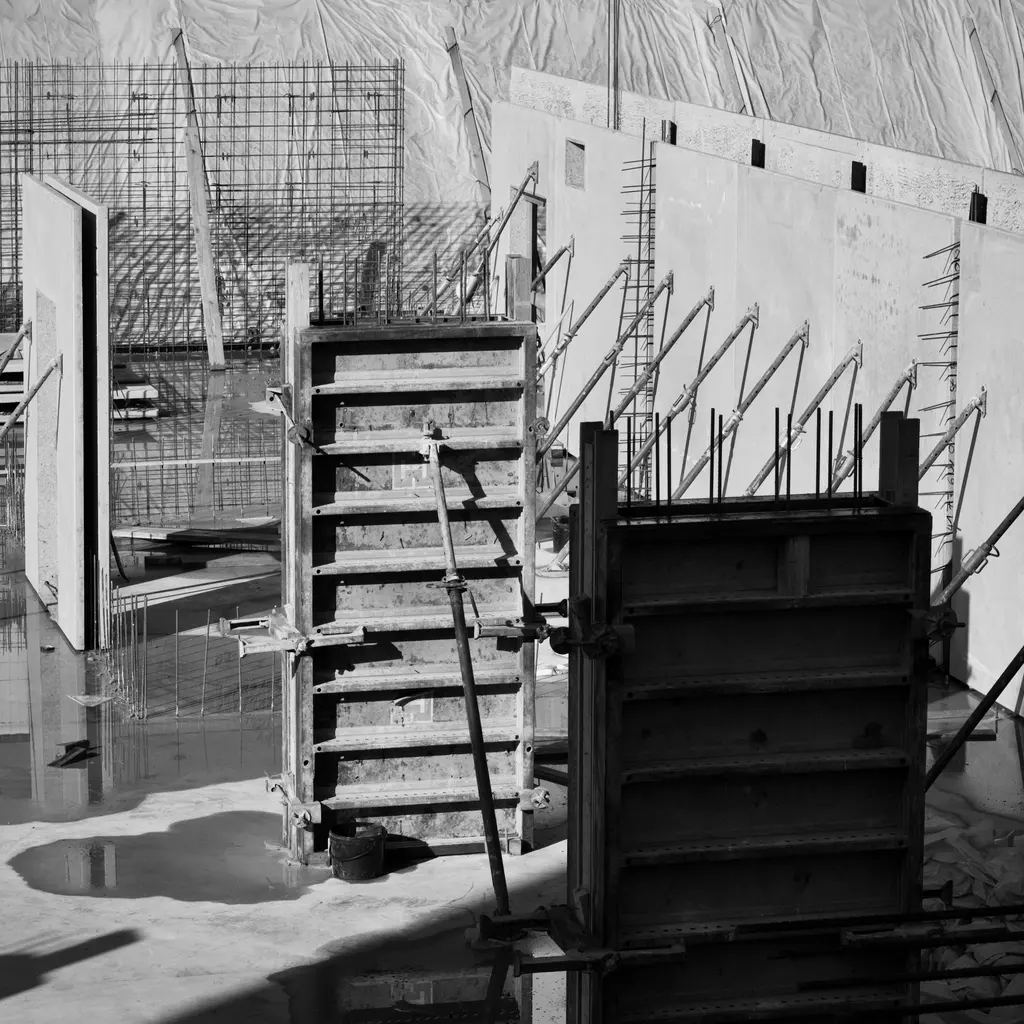
You set, brace, and strip temporary molds and shoring for heavy concrete pours, where an unstable form or undetected design flaw can lead to a collapse. These incidents can threaten your crew’s safety and cause expensive damage to neighboring finished work.
The Southern Agency can review how your contracts allocate shoring and design responsibilities to help select appropriate insurance. We can compare project-property terms with protection for reusable forms, liability for resulting harm and any engineering duties; that insurance review does not approve the shoring design.
Excessive pressure or a tie failure can burst a wall form, releasing wet concrete that injures workers and damages adjacent finished work.
Improperly braced shoring under an elevated deck can collapse during or after a pour, causing severe injury and total loss of the slab.
Setting and stripping forms at height exposes crews to falls, while falling panels and hardware threaten workers below.
Modular forms, shoring towers, and beams are valuable and reusable, and can be damaged, lost, or stolen across multiple projects.
Forms that bulge, shift, or leak can produce honeycombed or misaligned concrete, forcing demolition and repour at the contractor's cost.
A commercial or public contract may request performance or payment bonds and impose schedule obligations. The actual bond, approval timing and indemnity matter; a bond does not insure every collapse or rejected pour.
Policies to ask about. Which ones fit depends on your operations, your contracts, and the carrier’s forms.
These hypothetical examples are not agency claim results. Whether a loss is covered depends on the facts, policy terms, and applicable exclusions.
Hypothetical: a wall form bursts and concrete damages nearby finished masonry. GL may address covered damage to others' property. Identify ownership and work scope, separating masonry damage from replacing the forms, removing concrete and redoing the contractor's own pour.
Hypothetical: shoring shifts during deck placement and a worker is injured. Workers' compensation may provide qualifying medical and wage benefits under applicable law. Identify the employer; another trade's worker, the deck and reusable shoring raise separate liability and property questions.
Hypothetical: reusable forms are damaged on a trailer between projects. Inland marine may address covered damage to insured forms under actual transit, valuation and limit terms. Check hired systems and repair/return obligations separately from damage to the trailer or a demand for replacement hire.
Start with the work you do and the questions your current policies leave unanswered. Carrier options depend on your location, risk, and underwriting. Explore our approach.
Discuss liability for resulting harm, employee benefits, reusable equipment, vehicles and actual project-property, excess and bond obligations. Describe setting, stripping, lifting and any design duties. Eligibility and limits depend on actual operations, employment arrangements and contracts, not one standard package.
Inland marine may help with covered theft or damage to insured modular forms, towers and falsework. Check owned and rented interests, peak values in use, yards and transit, causes and return obligations. A project policy or truck schedule does not automatically insure every reusable system or pay for correcting a faulty pour.
A general liability policy may respond to resulting injury or property damage to others, depending on policy terms, endorsements, and the facts of the incident.
Check the actual agreement and applicable public-work requirements for bid, performance or payment bonds and the obligee. Capacity and approval depend on project, financial and experience review. Bonds support specified obligations, not every collapse or redo cost, and indemnity terms can leave the contractor responsible for reimbursing the surety.
It may address covered physical loss to insured project property during construction. Check who arranges it, whose interests are insured, whether reusable or rented forms and falsework are included, values, perils and coverage dates. The contract's allocation is not proof every system, collapse or ruined pour is covered; correcting out-of-tolerance work is a separate cost.
Compare the actual agreement's limits and ongoing and completed-operations additional-insured requests with issued policies, endorsements and excess attachment. Describe accepted heights, lifting and any design duties. A certificate, safety procedure or higher limit does not establish that every requested term is met or available.
Bring your questions, current policies, and relevant contracts. An agent can review coverage terms, exclusions, and the information carriers ask for, then explain the options available to you.