Skip to content

Concrete Pumping Contractor Insurance

Your pump truck has a road journey and a very different job once the outriggers are set. Auto, pumping liability and machinery protection need to account for both parts of the working day.

The Southern Agency can help you evaluate your pump operations to identify appropriate mobile-machine and liability coverage.

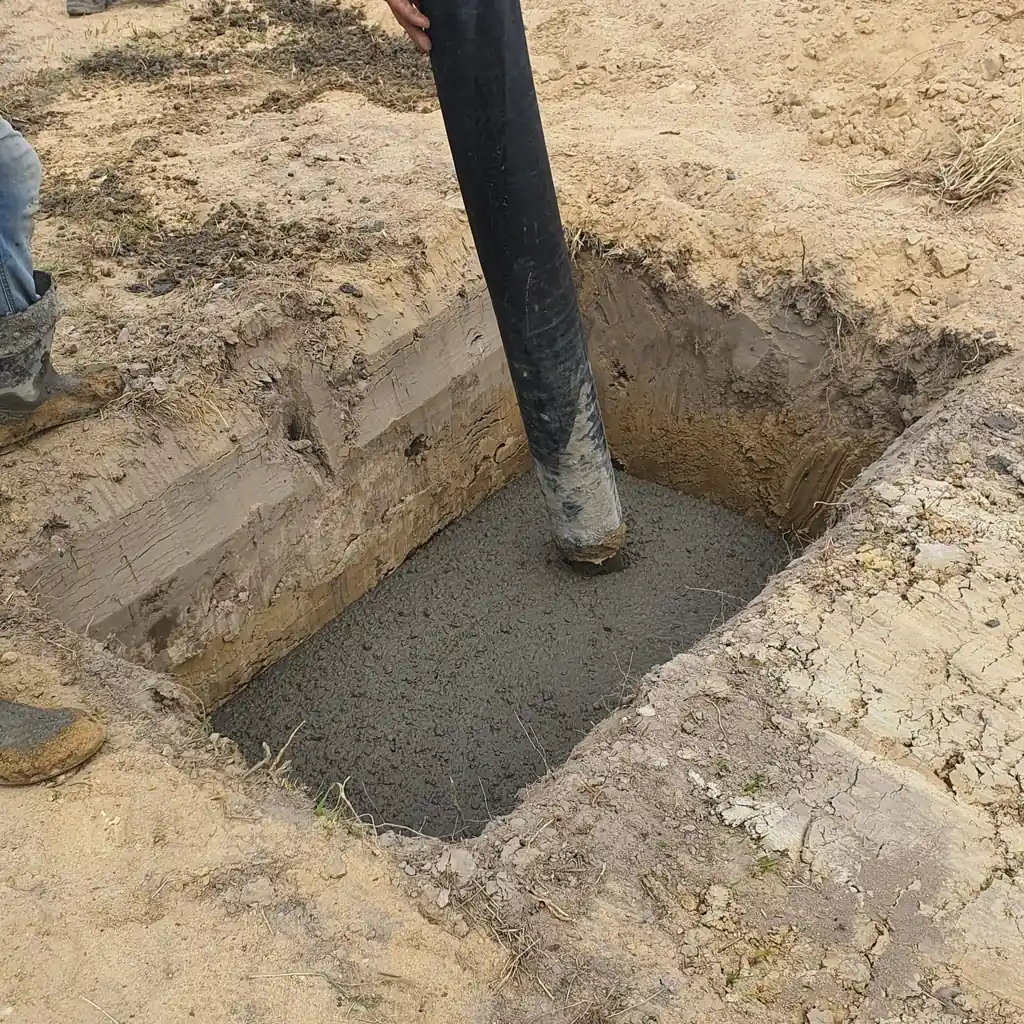
A concrete-pump delivery hose places fresh concrete into an excavated foundation footing.

Industry overview

You operate boom and line pumps to move wet concrete across difficult sites, where a pressurized hose burst or boom failure can cause injury or damage property. Operating this heavy machinery requires precise coordination of driving, site assessment, and pumping duties.

The Southern Agency can review your pumping operations to help you distinguish between auto, mobile-equipment, and general liability risks. We can discuss how to insure against a hydraulic failure, as well as the separate coverage considerations for machine breakdown versus the cleanup and replacement pumping costs required if a pour is interrupted.

Risks worth discussing

Boom contact with power lines

Extending a boom near overhead lines can electrocute crews or bystanders. Describe actual power-line proximity, ground assessment, and coordination duties; insurance does not approve the setup or establish safe clearance.

Pump truck tip-over

Improper outrigger placement or soft ground can let a fully extended boom truck overturn, causing catastrophic injury and equipment loss.

Line burst and hose whip

A blockage or pressure failure can rupture delivery lines or whip the end hose, throwing concrete and fittings at workers.

Auto accidents with heavy rigs

Pump trucks are large, expensive road-going vehicles traveling between sites, exposing the firm to costly collision and liability claims.

Pump and hydraulic breakdown

Hydraulic, valve, and pump-cylinder failures can halt a pour mid-job and require expensive repairs to specialized equipment.

Property damage from overspray or spills

Concrete spills, overspray, or a misplaced pour can damage finished surfaces, landscaping, or vehicles at a job site.

Situations to think through

These hypothetical examples are not agency claim results. Whether a loss is covered depends on the facts, policy terms, and applicable exclusions.

  1. Hypothetical: Boom contact with overhead lines

    Hypothetical: a boom touches an energized line and injures a ground worker. Identify the employer and alleged responsibility. Workers' compensation may provide qualifying employee benefits; GL or excess may address covered third-party liability. Review attached machinery, auto and employee-related provisions together; severity or being at the pour does not assign every claim to one policy.

  2. Hypothetical: Pump truck rollover on soft ground

    Hypothetical: an outrigger sinks and a boom truck tips, damaging the rig and nearby property. Auto or equipment physical-damage terms may address covered machinery or truck damage; liability terms may address covered damage to others' property. Review chassis, boom, pump interests, schedules, ground, setup duties and cause together. One policy does not automatically handle every repair and demand.

  3. Hypothetical: Hydraulic pump failure mid-pour

    Hypothetical: a pump cylinder fails during placement. Breakdown terms may help with covered repairs if the actual mobile machine and failure qualify. Establish the cause rather than presume internal breakdown. Replacement pumping, lost use, wasted mix, crew time, cleanup and delay charges need separate terms; neither the cylinder's location nor an insured repair establishes all stopped-pour costs.

Before you talk to an agent

What to have ready

Tick items as you gather them. Nothing here is saved or sent.

Questions to raise

  • Identify each road-going truck, mounted pump, boom, line system, and accessory by owner, value, registration, use, and rental arrangement. Review actual auto and mobile-equipment definitions and attached-machinery terms; neither road use nor a machine part establishes a universal policy split.
  • Allocate ground bearing and outrigger setup, power-line coordination, hose and line placement, signaling, inspection, and cleaning duties. Operator training and safety records support the submission, not insurer approval of the setup or safe clearance.
  • Identify actual employers and duties for operators, drivers, helpers, and other trades' crews. Qualifying employee benefits and third-party injury liability need separate review under actual employment and policy terms.
  • Review overturn, collision, theft, and internal failure causes separately. Verify the actual mobile machine and failure qualify before counting on breakdown repairs; replacement pumping, wasted mix, cleanup, lost use, and delay demands do not follow automatically.
  • Compare actual GC limits and ongoing and completed-operations additional-insured requests with issued endorsements, scheduled underlying policies, attachment, and exclusions. Higher limits or a certificate do not establish acceptance of every pumping duty, supply missing rights or prove contract satisfaction.

What the agent conversation looks like

Start with the work you do and the questions your current policies leave unanswered. Carrier options depend on your location, risk, and underwriting. Explore our approach.

  1. ListenReview your operations, current coverage, and past claims.
  2. AssessIdentify potential hazards and discuss ways to reduce risk.
  3. BuildDiscuss policy and carrier options, premium costs, and audits.
  4. SupportReview changes and help you plan ahead as your needs develop.

Questions owners ask

What insurance should a pumping contractor review?

Discuss possible vehicle and operating-liability responses, qualifying employee benefits, insured machinery damage, eligible internal repairs, and excess limits together. Actual fleet, duties, definitions, schedules, and contracts determine eligibility and terms; listing a product does not establish every mobile pump or operation is accepted.

Is the boom truck insured under auto or equipment coverage?

Do not rely on a simple road-versus-components split. Review each truck's registration and use, auto/mobile-equipment definitions, attached-machinery provisions, physical-damage schedules and exclusions across the actual policies.

Why review excess limits?

Power-line contact and overturn can involve several injured people and damaged properties. Compare likely severity and contract requirements with the underlying limits, excess attachment, exclusions, and scheduled policies; excess is not a guarantee for every pumping loss.

What if my pump fails during a pour?

Breakdown terms may help with covered repairs if the actual mobile pump and internal failure qualify. Establish the cause, eligible machinery, and restrictions rather than diagnose every stoppage as breakdown. Replacement pumping, lost use, spoiled concrete, cleanup, income, and delay costs each need separate terms; equipment physical damage and an insured repair do not establish all stopped-pour costs.

Am I covered for concrete spills on a customer's property?

GL may address covered resulting damage, subject to work-scope, auto, pollution, and other terms. Damage to other property, cleanup, and replacing your misplaced concrete can raise different coverage questions.

Do general contractors set insurance requirements?

Many contracts set auto, GL, and excess limits and request additional-insured rights. Compare actual endorsements and policies with the agreement; a certificate or high stated limit does not establish all requested protection.

Talk through your concrete pumping contractor coverage

Bring your questions, current policies, and relevant contracts. An agent can review coverage terms, exclusions, and the information carriers ask for, then explain the options available to you.

How can we help you get started?

Choose the quote that fits, and we’ll take it from there.

Have a question? Contact us