

Loss to buildings under construction
Fire, storm, vandalism, or theft of materials at a multi-building site can destroy work in progress and delay an entire phased development.
Try a different word, or check the spelling.
Your first residents may move in while other buildings are still under construction. Project-property and premises-liability protection need to keep pace with that overlap.
Start your quote with The Southern Agency. We’ll help you review the insurance for your development, including the handoff from construction to occupied buildings.
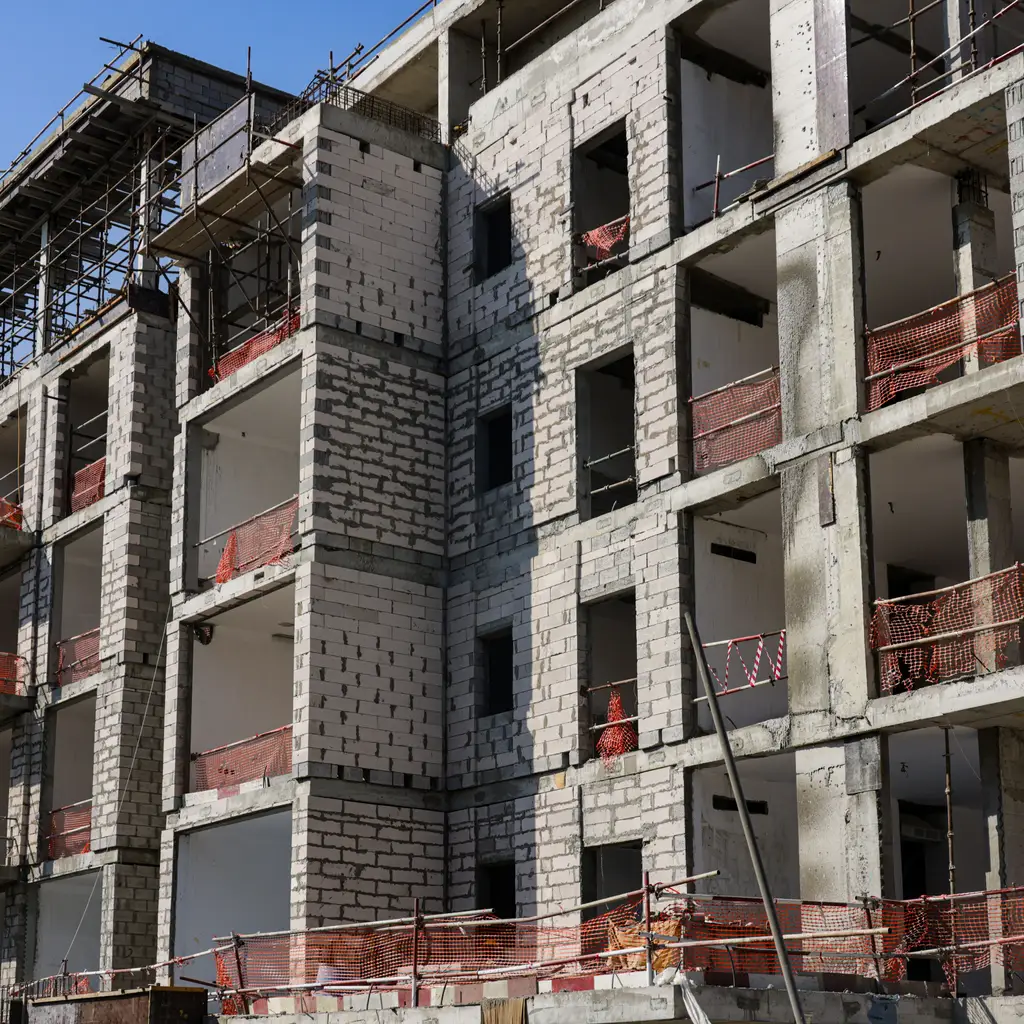
When you develop an apartment community, a problem in one building can affect the schedule and financing for the entire project. You’re coordinating contractors and lender requirements while planning when each building will be ready for residents.
The Southern Agency helps you review how your project is structured and where insurance needs to change as work progresses. We’ll discuss builders risk for construction, liability for the development entity and the coverage handoff before completed buildings begin welcoming tenants.
Fire, storm, vandalism, or theft of materials at a multi-building site can destroy work in progress and delay an entire phased development.
Hiring subcontractors does not remove your exposure as the developer. An injury, damage to a neighboring property or an allegation of defective work can still bring a claim against your development company.
A construction setback can push back lease-up while interest and other carrying costs continue. Damage to one building can also disrupt shared site work and the completion schedule for later phases.
Grading, excavation, and stormwater changes can disturb contaminated soil or cause off-site runoff that leads to pollution claims.
Allegations of water intrusion, structural, or building-envelope defects can surface years after units are completed and occupied.
Raising capital and governing the development entity can expose owners and directors to claims from investors, partners, or lenders.
As residents move in before a project fully completes, premises liability and tenant claims emerge alongside ongoing construction.
Policies to ask about. Which ones fit depends on your operations, your contracts, and the carrier’s forms.
These hypothetical examples are not agency claim results. Whether a loss is covered depends on the facts, policy terms, and applicable exclusions.
A fire destroys part of a building under construction and materials stored nearby. Builders risk may cover the damaged work and materials. If the fire also delays lease-up, review whether the policy includes delay-related coverage and which costs qualify.
Equity partners allege the development entity mismanaged the schedule and budget, seeking damages. A directors and officers policy may respond to defense and liability costs, subject to the specific policy, endorsements, and exclusions.
Grading on the site is alleged to send sediment-laden runoff onto a neighboring property after heavy rain. An environmental liability policy may respond to cleanup and third-party claims, depending on policy terms.
Start with the work you do and the questions your current policies leave unanswered. Carrier options depend on your location, risk, and underwriting. Explore our approach.
Not automatically. A trade's liability policy may cover certain claims caused by its work, but that is different from insuring the developer or replacing damaged project property. Review the actual additional-insured endorsements and subcontract terms, not just certificates. Project property coverage must be coordinated separately.
A dispute over project decisions can become a claim against the development company or its principals. D&O insurance may address covered allegations of mismanagement, but it does not insure the project’s return or guarantee completion. Check which entities and individuals are insured, how claims between insured parties are treated, and the policy’s prior-acts and reporting provisions.
Lenders and equity partners can set insurance conditions for funding. Provide their written requirements before terms are negotiated and flag any requirement the available policies cannot satisfy. A contractual requirement does not itself create insurance coverage.
Give the agent the expected first-occupancy date for each building, including any overlap with unfinished construction. Identify who will manage the property and when that responsibility starts. Review the property and liability handoff before residents arrive rather than assuming one project-wide completion date fits phased lease-up.
Yes. Excavation can uncover contaminated soil, and runoff can affect neighboring property. Review the developer’s site exposure separately from the contractor’s pollution coverage. Cleanup costs and third-party claims depend on the policy; fines or penalties for permit violations should not be assumed covered.
Provide total project value, unit count, construction and occupancy phases, site reports, the self-performed and subcontracted work split, and loss history. Include the ownership chart and lender requirements so the named entities and their responsibilities can be reviewed.
Bring your questions, current policies, and relevant contracts. An agent can review coverage terms, exclusions, and the information carriers ask for, then explain the options available to you.