

Diversion and flood during construction
Cofferdams and dewatering keep the work dry, and a flood event can overtop them, inundating excavations and damaging in-progress structures.
Try a different word, or check the spelling.
Your water-control work has to serve the construction phase before the finished reservoir serves its owner. Protecting temporary works and addressing downstream liability are separate parts of the insurance discussion.
The Southern Agency can help you review project property and downstream liability as separate insurance needs.
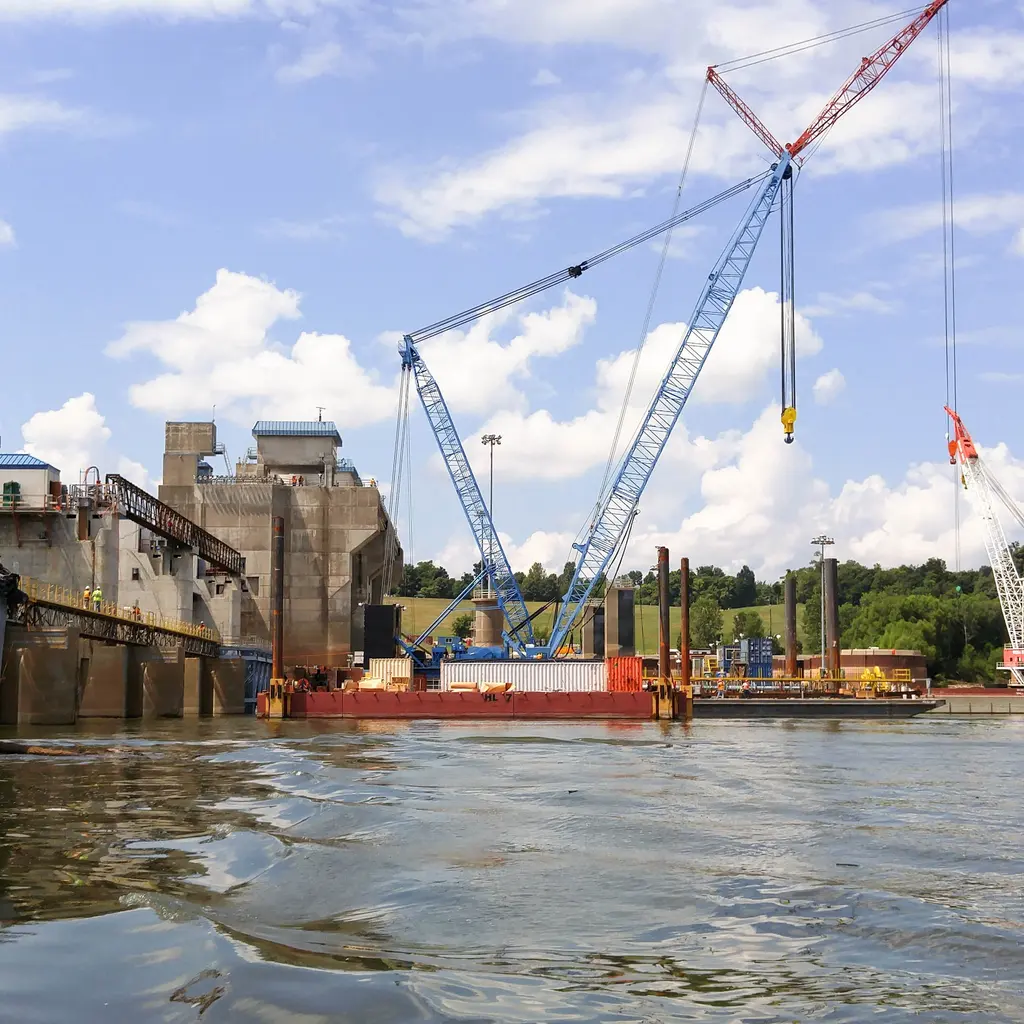
You build embankments, spillways and intake structures, often diverting water while crews excavate or place concrete. High water can damage unfinished works, while a failure that affects property downstream can lead to a different and costly claim.
The Southern Agency can review your construction phases and water-control responsibilities to help you choose appropriate insurance. We can discuss builders risk for insured project damage and liability for harm downstream, alongside your equipment and employee needs.
Cofferdams and dewatering keep the work dry, and a flood event can overtop them, inundating excavations and damaging in-progress structures.
Any impoundment carries the severe consequence of an uncontrolled release affecting property and people downstream.
Large scrapers, haul trucks, and compactors moving fill create overturn, struck-by, and slope-stability exposure across the site.
Disturbed soil, grouting, and dewatering discharge can carry sediment or chemicals into rivers and habitat, creating environmental liability.
Grout curtains and foundation work require engineered judgment, and a flawed assumption can lead to seepage, distress, and costly remediation.
Deep cuts, abutment work, and heavy equipment expose crews to falls, cave-in, and struck-by injuries.
Multi-season projects with liquidated damages mean weather and flood interruptions can trigger costly overruns on bonded contracts.
Policies to ask about. Which ones fit depends on your operations, your contracts, and the carrier’s forms.
These hypothetical examples are not agency claim results. Whether a loss is covered depends on the facts, policy terms, and applicable exclusions.
A storm overtops the diversion cofferdam and floods the excavation, damaging in-progress structures. Builders risk may help with covered physical damage where flood and the affected temporary or permanent works are included. Compare the construction phase, selected flood limits, insured values and end-of-cover provisions; restoring the works is separate from downstream liability or delay penalties.
Dewatering discharge carries sediment into a downstream river, prompting a regulatory cleanup order. Environmental terms may address covered remediation or liability costs if the operation, contaminant, and cleanup obligation are included. Review reporting and exclusions separately from any fine, permit violation, or normal compliance cost; the order alone does not establish payment.
Unexpected seepage appears at an abutment and the owner alleges inadequate foundation treatment. Professional terms may address a covered error allegation in an insured service; GL may address covered resulting injury or other-property damage if such harm is established. Identify design, installation and supplied-data responsibilities and separate the demand to correct seepage itself. The allegation does not establish fault, other harm, or a guarantee to deliver a watertight structure.
Start with the work you do and the questions your current policies leave unanswered. Carrier options depend on your location, risk, and underwriting. Explore our approach.
Diversion and dewatering keep the work dry, but a flood can overtop cofferdams and damage structures. Builders risk and careful flood terms help address that exposure, depending on policy terms.
Sediment, grouting, and dewatering discharge can affect waterways and habitat. Environmental liability may help with cleanup and related claims, depending on the specific policy and exclusions.
Liability terms may address covered injury or property damage to others, and excess may add limits above accepted underlying liabilities. Compare downstream people and property, actual water-control duties, scheduled policies, attachment and exclusions before choosing limits. Higher limits do not add excluded design or pollution protection, insure the dam itself or pay every seepage correction.
Accepted contractors-equipment terms may help with covered damage or theft to scrapers and grouting rigs at remote sites. Haul trucks need the appropriate mobile-equipment or vehicle terms. Review locations, transit, rental interests, valuation and limits rather than assuming every remote item is on the same schedule.
Check the actual contract, obligee and applicable public-work requirements for performance or payment bonds. They support different specified obligations, not the builder's own flood or accident loss. Capacity depends on project and financial review and surety approval; indemnity terms can require reimbursement to the surety.
Pricing commonly reflects revenue, earthwork volumes, flood and diversion exposure, equipment values, payroll, bonding, and claims history. A tailored quote reflects how your firm operates.
Bring your questions, current policies, and relevant contracts. An agent can review coverage terms, exclusions, and the information carriers ask for, then explain the options available to you.