

Ground collapse and face failure
Shifting geology or a void can cause a collapse underground, trapping, or injuring crews and damaging the tunnel and machines.
Try a different word, or check the spelling.
You work below an alignment that may carry buildings, roads, and utilities at the surface. Liability for settlement above the bore deserves attention apart from protecting the tunnel works and machines below it.
The Southern Agency can help you evaluate your tunneling operations and secure insurance for underground construction risks.
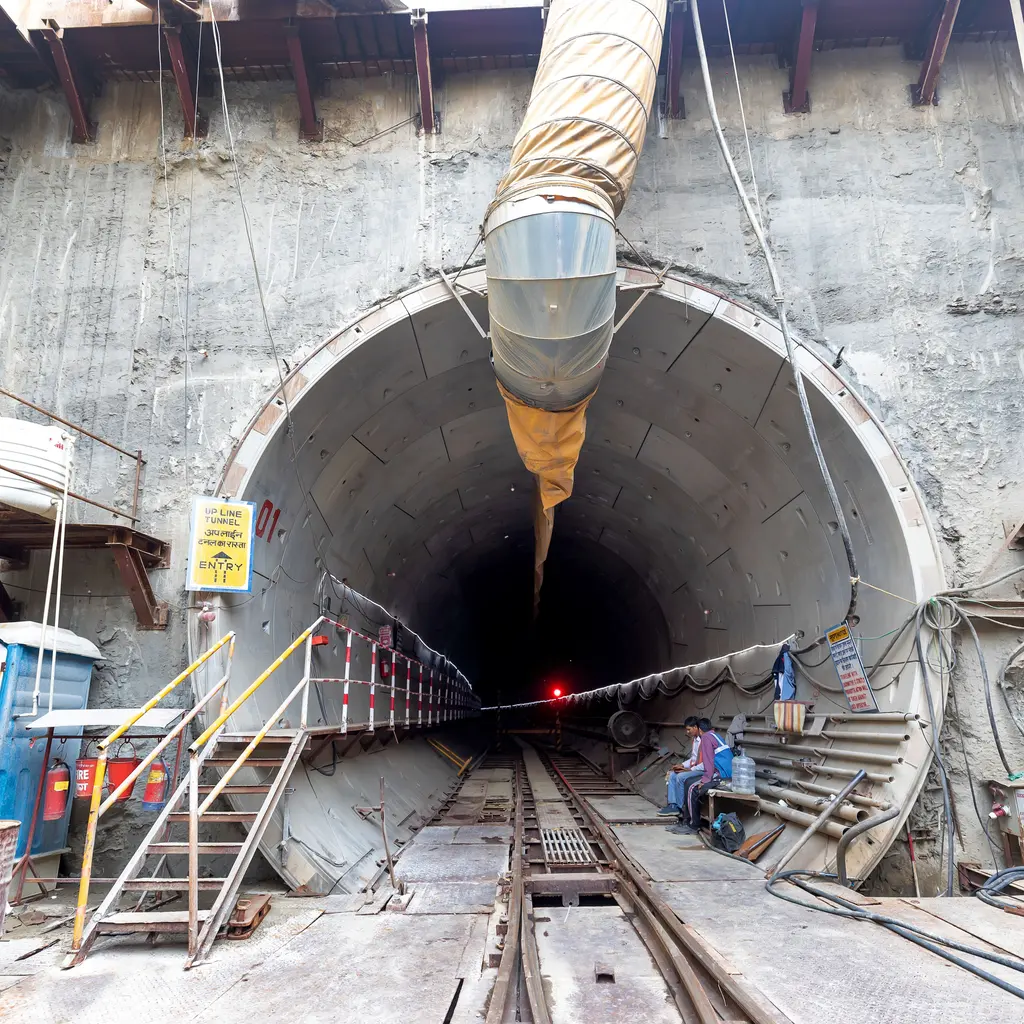
You bore and line underground passages for roads, utilities, or railways, where sudden ground movement, water inrush, or equipment failure can occur. These events present significant risks to your crew, the works under construction, and surface property.
The Southern Agency can review your tunneling methods and project-specific requirements to help you select appropriate insurance. For instance, we can help identify how to address liability for surface settlement alongside equipment coverage for your boring machines.
Shifting geology or a void can cause a collapse underground, trapping, or injuring crews and damaging the tunnel and machines.
Sudden water breakthrough or hazardous gas underground threatens crews and can flood or contaminate the works.
Limited ventilation and access create oxygen-deficiency, fume, and rescue challenges in the tunnel environment.
Tunneling can settle the ground above the alignment, damaging buildings, roads, and utilities and producing third-party claims.
A damaged or trapped boring machine can require difficult underground repair or recovery. Machine values, access, and recovery costs vary with the equipment and project.
Explosives and vibration from excavation can injure workers and damage nearby structures and utilities.
Pumping groundwater and removing excavated material can create sediment, contamination, and disposal exposure.
Policies to ask about. Which ones fit depends on your operations, your contracts, and the carrier’s forms.
These hypothetical examples are not agency claim results. Whether a loss is covered depends on the facts, policy terms, and applicable exclusions.
Hypothetical: An unexpected water breakthrough floods the working face and damages equipment underground. Equipment insurance may help repair covered water damage if it accepts that machine and underground use. Some project policies include tunneling machinery, so check the insured property and inrush terms there as well. This example involves damaged equipment, not established damage to the tunnel works.
Settlement above the alignment cracks a building's foundation and the owner files a claim. General liability may respond to third-party damage depending on policy terms and the facts.
Hypothetical: A ground collapse traps and damages a boring machine, requiring costly recovery. Equipment insurance may help with covered machine damage if underground use and collapse are included. Review extraction, recovery, and delay costs separately; paying to repair the machine does not establish payment for every recovery expense or missed deadline.
Start with the work you do and the questions your current policies leave unanswered. Carrier options depend on your location, risk, and underwriting. Explore our approach.
Ground conditions, inrush, atmospheric hazards, machine values, and effects on surface property need project-specific review. Describe the actual methods and responsibilities rather than assuming the tunneling label or a high limit accepts every underground operation.
Identify the particular machine, ownership, underground use and value. Review physical damage, internal failure and extraction or recovery separately, including any project-policy inclusion. Generic inland marine or builders-risk labels do not establish that all boring-machine losses are insured.
Liability may help with covered resulting damage to surface buildings or utilities. Check subsidence, vibration, underground-work and other terms and the relevant monitoring and incident records. Correcting the tunnel or stabilizing ground is not automatically the same insured interest as a damaged neighboring foundation.
Review the pollutants and actual dewatering, ground disturbance, transport and disposal duties. Existing-condition, location and reporting terms matter. Routine pumping or disposal expense is not automatically an insured pollution cleanup, and an environmental policy does not guarantee every release is covered.
Check the actual transit, utility or owner contract and the required bond type, principal and obligee. Performance and payment obligations and approval are separate from insurance for accidents, equipment and project property.
Provide revenue, tunnel dimensions and method, ground and groundwater information, machine values, payroll, duration and loss history. Insurance eligibility and price depend on the submission and insurer. Requested bonds have separate review and charges.
Bring your questions, current policies, and relevant contracts. An agent can review coverage terms, exclusions, and the information carriers ask for, then explain the options available to you.