

Highway accidents with loaded trucks
Heavy dump trucks operating in traffic face collision exposure that can cause serious injury and significant property damage.
Try a different word, or check the spelling.
You may own the truck without owning the aggregate it carries. Road liability, damage to the load and cleanup after a spill need their own insurance attention.
The Southern Agency can help you consider dump trucks, accepted loads, and your loading or tipping duties.
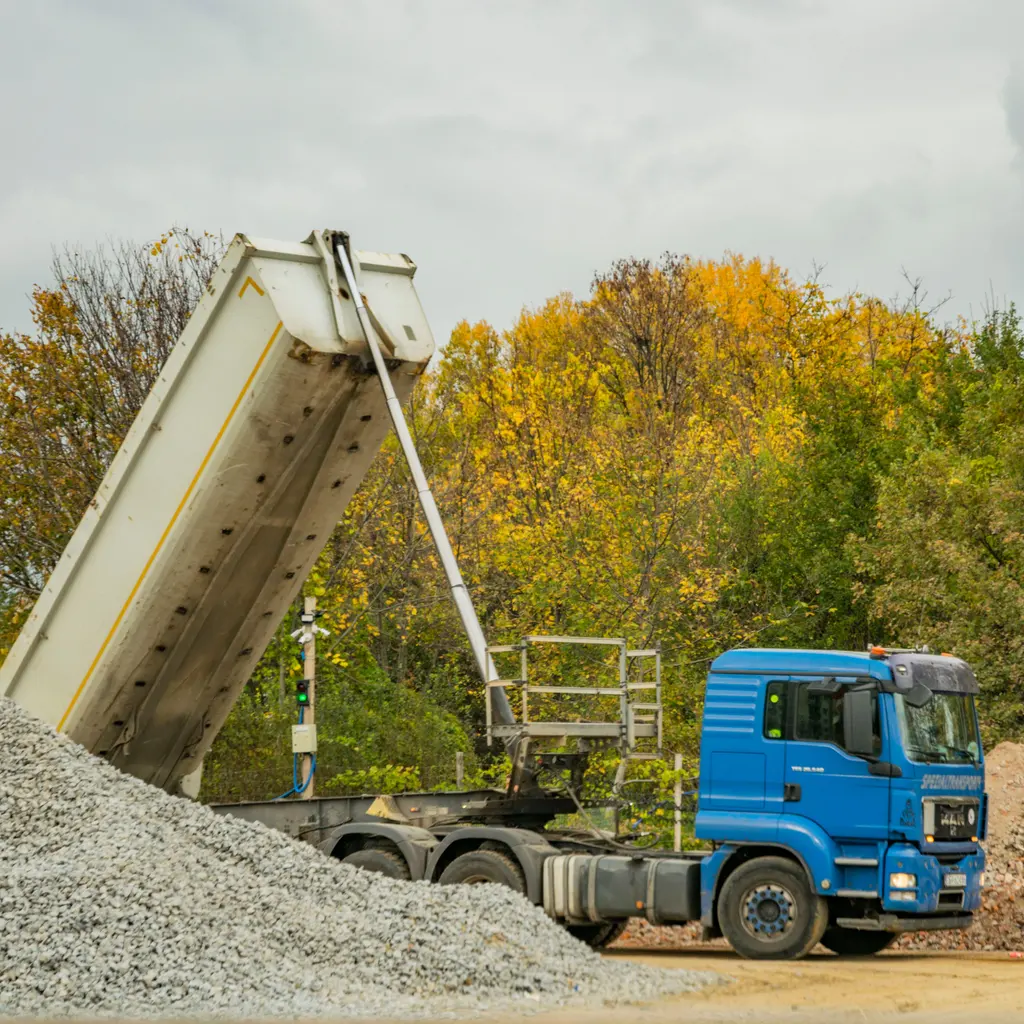
You transport heavy loads of aggregate and fill, navigating highway traffic, quarries, and tight job sites. A truck accident or an improper dump can damage property or cause injury on a project.
The Southern Agency can review your hauling routes and dumping procedures to help you select appropriate insurance, such as auto liability or cargo coverage, while noting that spills and load disposal involve separate considerations.
Heavy dump trucks operating in traffic face collision exposure that can cause serious injury and significant property damage.
Gravel and aggregate can spill across a roadway in a rollover, creating cleanup, liability, and lost-load costs.
Maneuvering and dumping in tight, busy jobsites creates struck-by, tip-over, and property-damage hazards.
Overweight loads and hours-of-service or maintenance lapses can trigger fines, downtime, and increased liability after an accident.
Dump trucks are high-value assets exposed to collision, theft, and hydraulic or engine failures that idle the fleet.
Dumping fill in the wrong spot or onto utilities, grading, or finished work can lead to costly third-party claims.
Long routes and physical loading and tarping work expose drivers to crash injuries and strains, driving workers' compensation needs.
Policies to ask about. Which ones fit depends on your operations, your contracts, and the carrier’s forms.
These hypothetical examples are not agency claim results. Whether a loss is covered depends on the facts, policy terms, and applicable exclusions.
A loaded truck rolls on a curve, spilling gravel and blocking a road. Auto or cargo terms may address covered third-party liability or eligible load loss respectively. Review any truck damage, roadway removal, and pollution expenses separately; neither cargo nor excess labels establish payment for the whole incident.
A truck backing to dump strikes equipment on a busy site. Confirm equipment ownership; auto or GL terms may address covered damage to another party's equipment under actual vehicle, mobile-equipment, and loading provisions. Site location alone does not assign the claim to GL. Preserve dispatch, spotter and incident records.
Material placed at the wrong spot damages a buried utility line. Liability terms may address covered resulting line damage under actual unloading and operation provisions. Separate any resulting loss of use from moving the misplaced fill or meeting a delivery promise, and review layout and ground responsibility; not every correction cost is liability damage.
Start with the work you do and the questions your current policies leave unanswered. Carrier options depend on your location, risk, and underwriting. Explore our approach.
Dump trucks operate in traffic, at quarry scales and on site roads. Auto terms may address covered vehicle liability and selected truck physical damage. Review actual use, drivers, loading, and attached machinery alongside GL; carried loads and employee benefits are separate interests, and a job-site location does not decide the policy.
The cargo is often handled by motor truck cargo coverage rather than the auto policy. It may help with a lost or damaged load, depending on policy terms and limits selected.
Auto or GL terms may address covered resulting third-party damage, depending on actual vehicle, loading, unloading, and machinery provisions. Separate damaged property and any resulting loss of use from removing misplaced material, meeting delivery specifications, pollution cleanup, and penalties. Preserve dispatch, spotter, and dump-location records; site location alone does not establish GL coverage.
Drivers face crash and loading injuries, and workers' compensation is commonly required for them, subject to applicable law and the details of your operations.
Heavy-truck accidents can produce large claims that exceed primary limits. Umbrella coverage may add protection above your auto and liability policies, depending on policy terms.
Insurers commonly weigh fleet size, driver records, mileage, cargo, safety programs, and loss history. Coverage availability depends on underwriting and your operations.
Bring your questions, current policies, and relevant contracts. An agent can review coverage terms, exclusions, and the information carriers ask for, then explain the options available to you.