

Grading, drainage, and erosion
Mass grading and disturbed soil can cause off-site erosion, sedimentation, or stormwater violations that draw regulatory and neighbor claims.
Try a different word, or check the spelling.
You may sell a finished lot before a house reveals how its drainage and ground conditions perform. Liability for your development decisions deserves attention beyond completion bonds for roads and utilities.
The Southern Agency can review your development and construction responsibilities to help you select appropriate insurance.
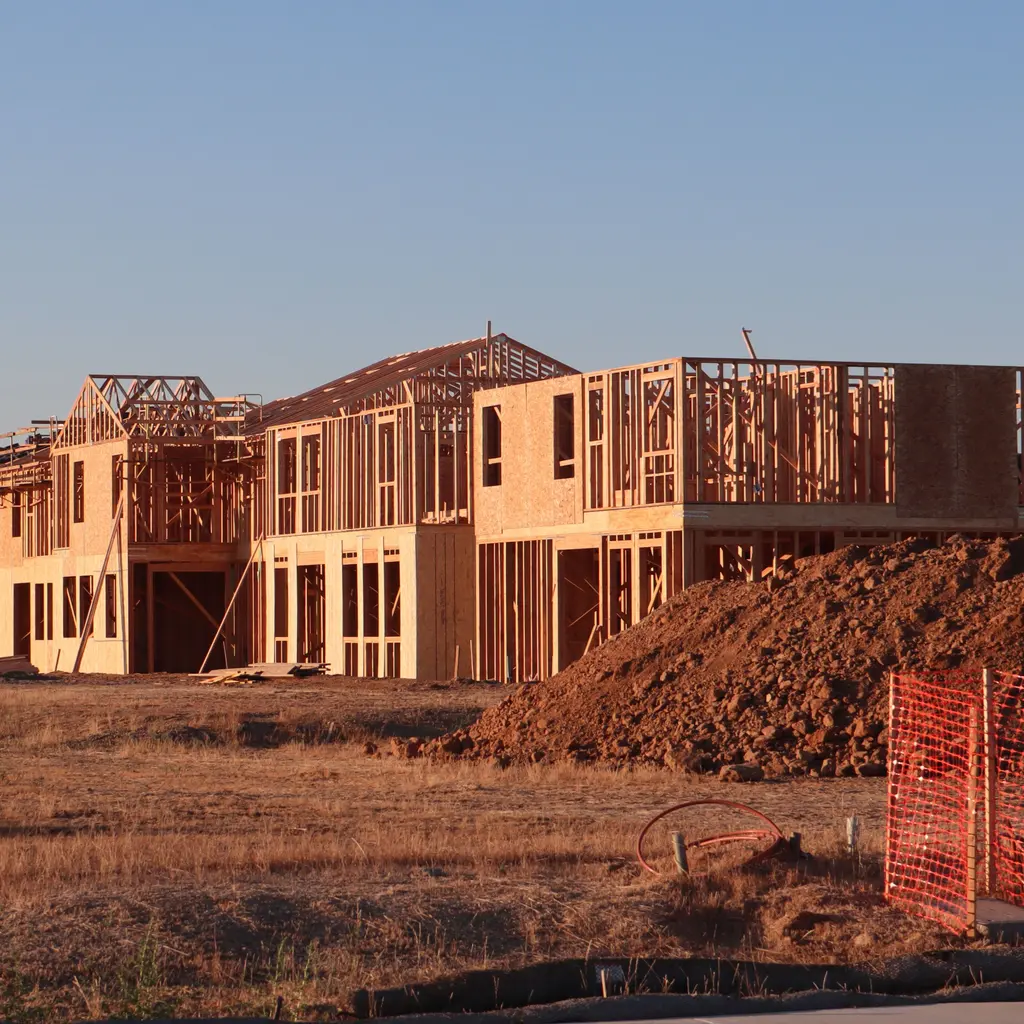
You acquire raw land and perform site improvements like grading, utility installation, and road building before selling finished lots. Decisions made during development, such as drainage design, can lead to claims years after you finish the work.
The Southern Agency can review your development and construction responsibilities to help you select appropriate insurance. For example, we can distinguish between your professional design liability and your site-construction risks.
Mass grading and disturbed soil can cause off-site erosion, sedimentation, or stormwater violations that draw regulatory and neighbor claims.
Installing water, sewer, and storm mains requires deep excavation, exposing crews to cave-in and struck-by hazards and nearby utilities to strikes.
Settlement, flooding, or failed drainage on a finished lot can lead to claims from builders or owners years after the work is complete.
Decisions on drainage, soils, and layout can be challenged as professional errors if lots later fail to perform as expected.
Municipalities commonly require bonds guaranteeing roads and utilities are completed to standard before final acceptance.
Developers rely on graders, pipelayers, and pavers whose work and insurance gaps can flow back to the developer.
Buried debris, prior land use, or fuel handling on a development site can create contamination and cleanup liability.
Policies to ask about. Which ones fit depends on your operations, your contracts, and the carrier’s forms.
These hypothetical examples are not agency claim results. Whether a loss is covered depends on the facts, policy terms, and applicable exclusions.
Owners allege inadequate subdivision drainage after homes flood. Preserve soils/drainage design, grading/testing, sale/acceptance, and damage chronology. Review resulting home/contents harm separately from redesign, lot-value or promised-suitability demands under actual developer/professional and completed-work terms.
Rain carries sediment from graded land into neighboring property and a waterway, prompting a regulatory order. Identify actual release, affected interests, accepted pollutants/sites and cleanup/reporting terms. Ordinary erosion control, fines and ordered work are not automatically the same insured loss.
The city calls an improvement bond over late/nonconforming roads and utilities. Preserve actual bond, notices, default/extension and phased acceptance records. Bond terms/facts govern any surety response and developer indemnity; the call alone does not establish automatic completion or reimbursement to the developer.
Start with the work you do and the questions your current policies leave unanswered. Carrier options depend on your location, risk, and underwriting. Explore our approach.
Drainage/settlement harm can appear later, but completed-work and professional terms do not automatically cover every prior lot, defect or value dispute. Preserve work/damage/claim dates and review actual insured entities, operations, exclusions, and reporting terms.
They address actual bonded municipal improvement obligations, unlike the developer's accident liability insurance. Review obligee, notice/default, completion/acceptance/release, and indemnity terms and surety approval.
Identify actual in-house and delegated professional services and review defined services, exclusions, and reporting/retroactive terms. A lot's failure to meet expectations does not by itself establish negligent design or covered rework.
Buried debris, prior land use, or fuel handling can create cleanup liability. Environmental coverage may help, depending on the specific policy, endorsements, and exclusions.
Review actual accepted trades, contracts, policies, and ongoing/completed additional-insured endorsements. Certificates and contractor indemnity alone do not establish rights or remove the developer's later liability.
Insurance pricing commonly reflects lots and phases developed, self-performed work, design duties, equipment and claims history. Bring the municipality's requirements too; improvement bonds have their own approval and charges rather than being part of the liability premium.
Bring your questions, current policies, and relevant contracts. An agent can review coverage terms, exclusions, and the information carriers ask for, then explain the options available to you.