

Customer and pedestrian injuries on site
Fresh sealcoat, wet paint, and open work areas at occupied lots create slip, trip, and vehicle-contact exposure for tenants and shoppers.
Try a different word, or check the spelling.
Once you reopen the lot, drivers and pedestrians use the ramps, stalls and markings you leave. Resulting injury or damage claims differ from having to correct a slope or redo the striping.
The Southern Agency can help you address the safety and equipment-protection needs of your paving operations.
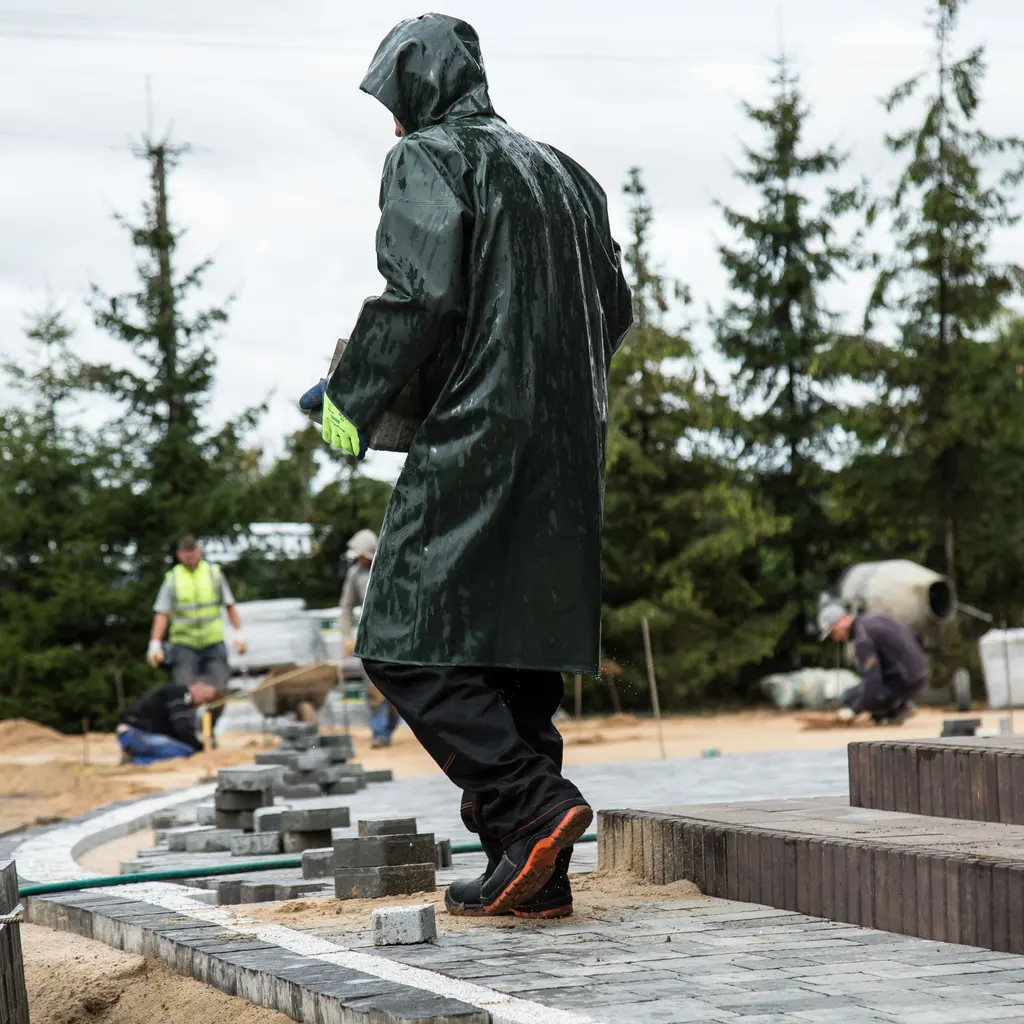
You perform paving, sealing, and striping work on occupied lots, where fresh materials and heavy machinery create risks for pedestrians and vehicles. If a customer is injured in your work zone or your sealer damages a parked car, you could face a claim for the incident.
The Southern Agency can review your paving and maintenance operations to help you select appropriate insurance. We can help you manage your risks, such as clarifying liability for occupied-site work and protecting the specialized machinery you transport between sites.
Fresh sealcoat, wet paint, and open work areas at occupied lots create slip, trip, and vehicle-contact exposure for tenants and shoppers.
Sealer, crack filler, and striping paint can stain adjacent buildings, vehicles, or landscaping if overspray or runoff occurs.
Incorrect slope on ramps, walkways, or accessible stalls can trigger rework, complaints, and liability over accessibility standards.
Improper grading or sealer failure can cause water to pond or coatings to peel, leading to warranty callbacks after completion.
Striping machines, sealcoat tanks, small rollers, and trucks move among several sites daily, raising damage, theft, and auto risk.
Hand-laid asphalt, hot crack-fill, and equipment operation expose workers to strains, burns, and struck-by injuries on tight sites.
Policies to ask about. Which ones fit depends on your operations, your contracts, and the carrier’s forms.
These hypothetical examples are not agency claim results. Whether a loss is covered depends on the facts, policy terms, and applicable exclusions.
Hypothetical: a customer passes a barricade, steps onto fresh sealcoat and falls. GL may address covered third-party injury under accepted occupied-site work. Preserve access, warning, cure and reopening records; crossing a barrier alone does not settle fault or remove every contractor or owner allegation.
Hypothetical: striping paint drifts onto parked cars in an adjacent row. GL may address covered resulting damage under actual spray, pollution and work-property terms. Keep product, wind and affected-property records; correcting lane markings, staining a car and a drain contamination demand are separate questions.
Water pools on a newly paved lot and the owner demands correction. Preserve actual grade/drainage scope, design, and acceptance records and review workmanship/warranty terms. A demand to correct ponding alone does not establish resulting injury/other damage or a paid completed-work loss.
Start with the work you do and the questions your current policies leave unanswered. Carrier options depend on your location, risk, and underwriting. Explore our approach.
GL may address covered third-party injury or property damage from accepted sealcoating work. Disclose actual sealers, crack fillers, paints and occupied-site methods. Review overspray, pollution and work-property terms separately; a generic paving description does not establish payment of every runoff, stain or defective-finish demand.
General liability commonly responds to third-party injuries at occupied properties where you work. Coverage depends on policy terms and the circumstances of the incident.
Inland marine may help with covered theft or physical damage to insured stripers, tanks, rigs, and rollers at sites or in transit. Confirm owned and hired values, rental duties and storage terms. Internal failure, wear, material loads, and truck or trailer physical damage need separate review.
Pure workmanship redo is often excluded, but resulting property damage may be addressed under products-completed operations, depending on the policy and the facts.
Read the actual bid/contract and obligee. Bid, performance, and payment bonds address different obligations, subject to terms and surety approval; they do not guarantee every accessibility, drainage or warranty outcome.
Auto terms may address covered vehicle liability or selected physical damage for insured trucks and trailers. Identify actual owned, hired and non-owned vehicles, drivers, hauling and tank or striping use, loading, and auto or mobile-equipment definitions. Equipment, material loads, and spill liabilities are different interests, not automatically insured with the truck.
Bring your questions, current policies, and relevant contracts. An agent can review coverage terms, exclusions, and the information carriers ask for, then explain the options available to you.