

Vibration damage to adjacent property
Driving piles transmits ground vibration that can crack neighboring foundations, walls, slabs, and buried utilities, prompting third-party claims.
Try a different word, or check the spelling.
You can drive a pile inside the site boundary while its vibration reaches property outside it. Liability for neighboring damage deserves attention alongside protection for rigs, cranes and the crew around them.
The Southern Agency can help you identify coverage appropriate for the severe risks associated with heavy piling rigs and subsurface construction.
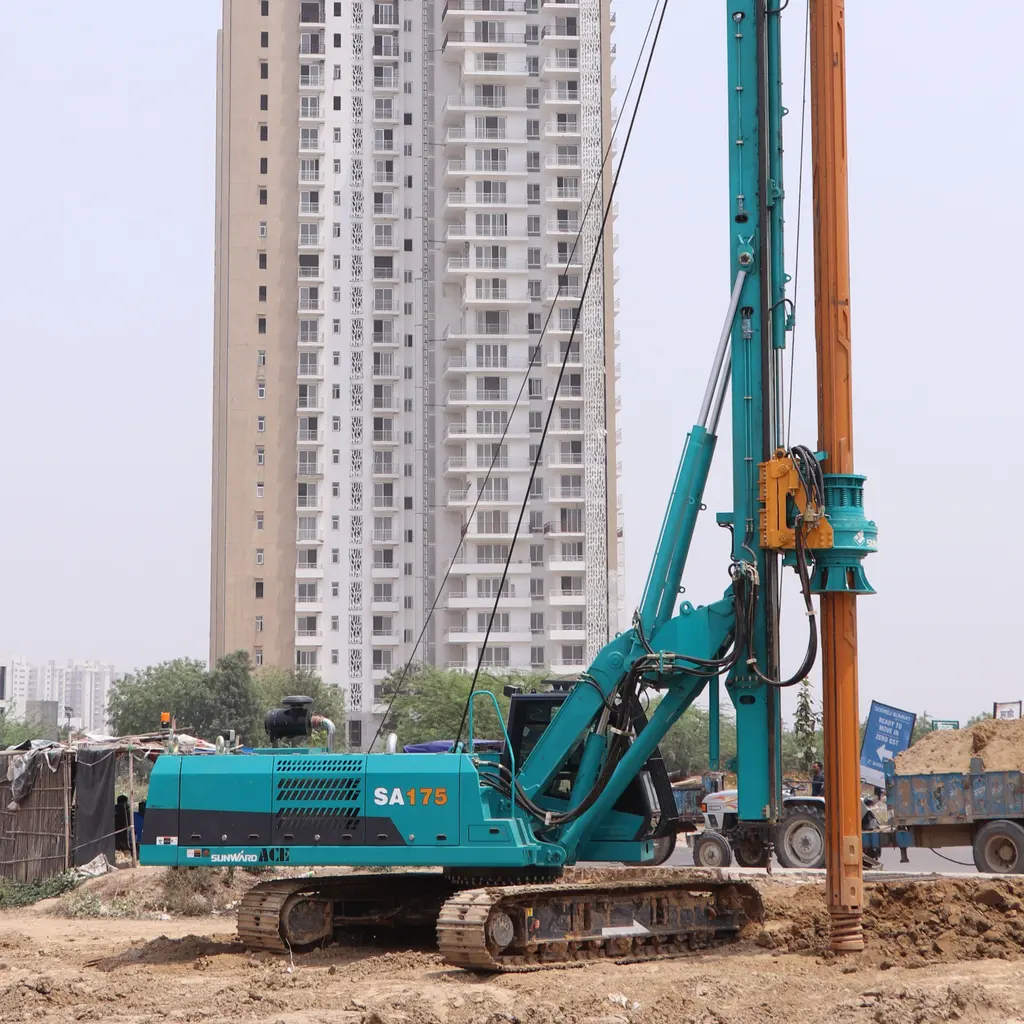
You install deep foundations by driving or drilling piles into the ground to support large structures, often working near other trades on active sites. Ground vibrations or equipment failure can lead to damage to adjacent property or severe injury.
The Southern Agency can review your equipment inventory and site activities to help select appropriate insurance, such as coverage for damage caused by ground vibration or accidents involving heavy piling rigs.
Driving piles transmits ground vibration that can crack neighboring foundations, walls, slabs, and buried utilities, prompting third-party claims.
Lifting piles, leads, and hammers with cranes creates struck-by and crush exposure for crews and surrounding trades if rigging fails.
Misaligned, under-driven, or obstructed piles can compromise the foundation and lead to costly remediation and liability disputes.
Pile rigs, drill rigs, and crawler cranes are high-value units exposed to job-site damage, overturn, and mechanical failure.
Drilling and driving near unmarked or mislocated lines can rupture gas, water, or electrical utilities.
Working around hammers, leads, and suspended loads exposes workers to serious crush, struck-by, and pinch injuries.
Public and large commercial foundation contracts commonly require performance and payment bonds before award.
Policies to ask about. Which ones fit depends on your operations, your contracts, and the carrier’s forms.
These hypothetical examples are not agency claim results. Whether a loss is covered depends on the facts, policy terms, and applicable exclusions.
After pile driving, a neighbor reports foundation cracks and alleges vibration damage. Accepted GL terms may help with covered defense and damages. Compare vibration, subsidence and underground/collapse provisions with prior-condition, pile and monitoring records; the timing of a crack alone does not establish its cause or insurance payment.
A pile rig overturns on soft ground and is badly damaged. Contractors-equipment terms may help with covered repair or replacement where the rig, location and overturn cause are included. Check ownership or rental responsibilities, settlement value and limits; internal failure, downtime and damage to other property require their own review.
Testing finds several piles below the specified capacity and the owner demands correction. A rework-only demand is not automatically an insured liability claim. Identify installation, design and testing responsibilities; any alleged resulting injury or damage to other property needs separate review under the applicable work and professional terms.
Start with the work you do and the questions your current policies leave unanswered. Carrier options depend on your location, risk, and underwriting. Explore our approach.
It depends on the accepted piling operations and vibration, subsidence, underground and collapse provisions. Keep prior-condition surveys, utility checks, pile/test records and vibration or settlement observations for investigation. Neighboring damage or a survey alone does not establish the cause or GL payment.
Describe owned and hired rigs, cranes and attachments, their values, rental duties and site/transit use. Compare overturn, external damage and theft with internal failure, wear and any downtime protection. Ground setup and lifting duties matter, and listing a rig does not establish agreed value or every cause of loss.
Read the bid package, contract and obligee requirements. Bid, performance and payment bonds serve different obligations and need surety approval. They are not your accident cover or unlimited guarantees of bearing capacity or warranty work.
Separate correction of under-driven or misaligned piles, or a capacity shortfall, from resulting injury or damage to other property. Identify design and testing duties, acceptance and the relevant work or professional terms. A demand solely to redo the foundation does not establish an insured liability loss.
Have actual shore, pier, barge and vessel duties, locations and connections reviewed under applicable law. State workers compensation, Longshore and vessel-crew protections are different arrangements; a maritime label does not settle worker status. Separate the craft or hull, contractor liability and equipment interests as well.
Rating reflects payroll and the hazardous classifications tied to foundation work. Premium depends on classifications, experience modification, and state rules.
Bring your questions, current policies, and relevant contracts. An agent can review coverage terms, exclusions, and the information carriers ask for, then explain the options available to you.