

Hot-work fire and explosion
Welding and cutting inside operating facilities introduce ignition sources that can start fires or ignite flammable vapors and materials.
Try a different word, or check the spelling.
The line you assemble has to be tested before it becomes part of the customer's process. Your liability coverage should address that testing stage and later resulting damage, not only the welding work.
The Southern Agency can help you match your insurance coverage to the specific hot-work and pressurized-system risks of your pipefitting business.
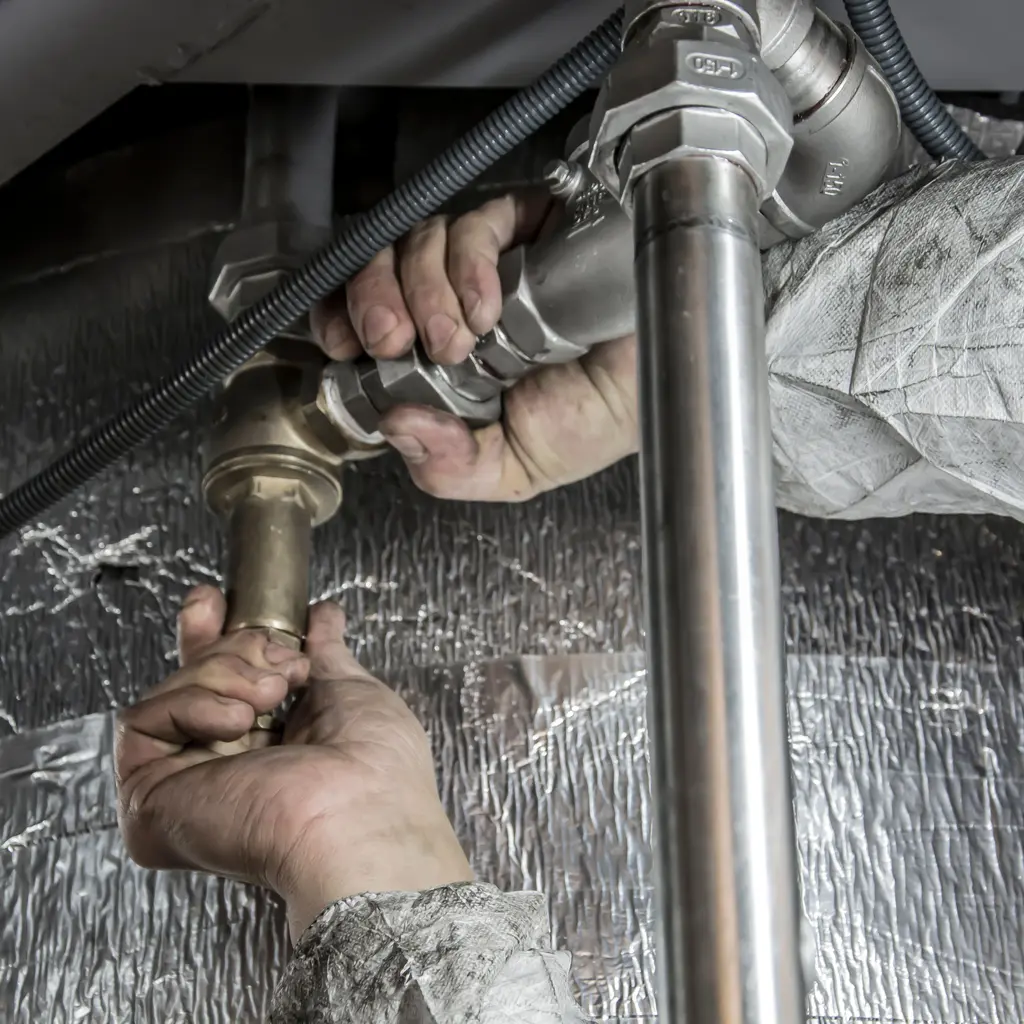
You install and test high-pressure piping systems in industrial and commercial buildings, often performing welding and cutting inside occupied facilities. A failed weld or an ignition source during hot work can lead to property damage or system failure.
The Southern Agency can review your hot-work procedures and equipment usage to help select appropriate insurance, such as liability for property damage or coverage for your specialized welding tools.
Welding and cutting inside operating facilities introduce ignition sources that can start fires or ignite flammable vapors and materials.
A defective weld or fitting on a pressurized line can leak or rupture after completion, causing property damage and system failure.
Fitting pipe in tight chases, mechanical rooms, and elevated runs exposes workers to falls, burns, and confined-space hazards.
Work in occupied industrial settings means a leak, mistake, or test failure can shut down a client's production process.
Welding machines, threading tools, and rigging are valuable units exposed to job-site damage and theft as they move between facilities.
Hydrostatic and pneumatic testing of completed systems can release stored energy and cause injury or damage if a component fails.
Policies to ask about. Which ones fit depends on your operations, your contracts, and the carrier’s forms.
These hypothetical examples are not agency claim results. Whether a loss is covered depends on the facts, policy terms, and applicable exclusions.
Hypothetical: cutting sparks ignite stored material inside a plant. GL may address covered resulting third-party harm under accepted hot-work and operating-facility terms. Preserve isolation, permit, fire-watch and damage records; a permit is not insurance acceptance, and every production-loss demand is not automatic.
Hypothetical: a welded steam line fails after start-up and damages equipment below. Completed-work terms may address covered resulting harm under actual accepted pressure, fluid and testing duties. Preserve specifications, weld/test and commissioning records; replacing the joint and meeting an uptime promise are separate.
Hypothetical: a welder is stolen from a site gang box overnight. Equipment terms may address covered theft under actual ownership, value and location/security conditions. Hired rigging, customer pipe and consumables need their own included interests; a tool schedule does not follow every item in the box.
Start with the work you do and the questions your current policies leave unanswered. Carrier options depend on your location, risk, and underwriting. Explore our approach.
Review accepted welding/cutting, operating-plant and testing tasks, hot-work conditions and work-property/pollution terms. Actual fire damage differs from correcting the weld; a site permit or disclosed procedure alone does not confirm coverage.
Preserve actual specifications, weld/test and start-up records. Review failed-joint replacement separately from resulting equipment or other damage and actual completed-work terms; leaving the site or discovering a leak later is not itself a coverage trigger.
List owned/hired welders, threading/test tools and rigging, values and rental duties. Check actual transit/site/overnight theft and cause terms, separately from client pipe and internal failure or wear.
Read the actual industrial/institutional bid and contract. Bid, performance and payment obligations differ and require surety approval; a bond is not accident insurance or an unlimited pressure, output or uptime warranty.
Workers' compensation commonly responds to job-related injuries, including confined-space incidents. Coverage depends on classifications, state rules, and policy terms.
Identify actual damaged property, interruption dates, and owner demands. Review liability, work-property, pollution, and any defined professional services separately from pure downtime, delay penalties or an uptime promise. A production stop alone does not establish insured loss.
Bring your questions, current policies, and relevant contracts. An agent can review coverage terms, exclusions, and the information carriers ask for, then explain the options available to you.