

Underground utility strikes
Excavating and boring near existing gas, electric, fiber, or water lines can rupture them, causing outages, explosions, or flooding.
Try a different word, or check the spelling.
Your machinery and crews can be spread along a right-of-way rather than gathered at one site. Equipment protection and construction liability need to reflect that corridor and the lines already running through it.
The Southern Agency can help you align your insurance with the unique excavation and environmental risks of linear pipeline construction.
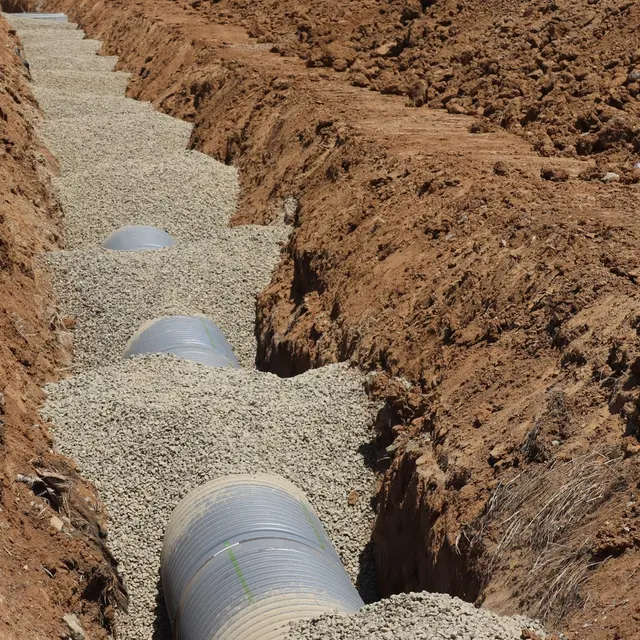
You build and maintain underground pipelines for gas, water, and petroleum by excavating trenches and boring along long rights-of-way. A strike on an existing utility or a product leak can cause significant environmental and third-party liability.
The Southern Agency can review your excavation processes and environmental risk management to help select appropriate insurance, such as coverage for accidental utility strikes or environmental cleanup costs.
Excavating and boring near existing gas, electric, fiber, or water lines can rupture them, causing outages, explosions, or flooding.
Deep, open excavations expose crews to collapse, engulfment, and struck-by hazards if shoring or sloping fails.
A leak or rupture of a gas, petroleum, or wastewater line can contaminate soil and waterways, creating environmental liability.
Welding transmission and distribution pipe introduces ignition sources, raising fire and explosion exposure near flammable products.
Work in roadways and rights-of-way puts crews and the public near open trenches, equipment, and moving traffic.
Excavators, side-booms, boring rigs, and haul trucks staged along a corridor face damage, overturn, and theft.
A municipal or utility contract may request bid, performance or payment security with different submission times. Confirm the actual instrument, obligee, terms and timing rather than treating all bonds as a before-award requirement.
Policies to ask about. Which ones fit depends on your operations, your contracts, and the carrier’s forms.
Ready to compare options?
Get a quote for Pipeline Installation and Repair Contractor Or call 1-800-777-1TSAThese hypothetical examples are not agency claim results. Whether a loss is covered depends on the facts, policy terms, and applicable exclusions.
Hypothetical: digging ruptures a buried gas main, prompting evacuation and outages. Review actual physical damage, injury, release and outage demands separately under accepted underground, explosion and pollution terms. Preserve locate and bore/trench records; evacuation or lost production alone does not establish every insured demand.
Hypothetical: a repaired petroleum line leaks into soil and a creek. Environmental terms may address covered response under actual substance, site, work stage and reporting conditions. Preserve fluid/testing and release records; pipe correction, routine disposal, fines and owner shutdown demands need separate review.
Hypothetical: a boring rig is damaged while moving between corridor sections. Equipment terms may address covered physical loss if that machine, value, transit and handling are included. Haul-truck damage, staged pipe, internal breakdown and lost work time are different interests.
Start with the work you do and the questions your current policies leave unanswered. Carrier options depend on your location, risk, and underwriting. Explore our approach.
Review actual products/test fluids, sites, known conditions, and transport/disposal/reporting terms. Gas, petroleum, and wastewater are not interchangeable accepted pollutants; a cleanup demand does not establish payment for every release, fine or compliance expense.
Preserve actual locate/verification and trench/bore records and identify damaged lines, injury, release, and outage demands separately. Review underground/collapse/explosion, work-property, and pollution terms; an outage alone does not settle fault or insured damage.
List owned/hired excavators, side-booms and boring rigs, values and route/storage/transit/handling use. Check theft, flood and cause terms separately from staged pipe, installation materials and internal wear or breakdown.
Read actual bid/contract and obligee requirements and timing. Bid, performance and payment obligations differ, subject to terms and surety approval; neither a certificate nor equipment value establishes bond capacity or an award.
Workers' compensation commonly responds to job-related injuries, including trench incidents. Coverage depends on classifications, state rules, and policy terms.
Identify actual new/live pipe, products/pressures and operator welding/test duties and accepted hot-work conditions. A permit, qualification or disclosure informs review but does not establish accepted live-line operations or all resulting fire/pollution cover.
Bring your questions, current policies, and relevant contracts. An agent can review coverage terms, exclusions, and the information carriers ask for, then explain the options available to you.