

Water damage from leaks and failures
A faulty connection, valve, or fixture can flood a home or business and damage finishes and belongings, sometimes after the job is done.
Try a different word, or check the spelling.
The same service van may carry plumbing parts, recovery equipment and diagnostic tools. Your insurance needs to reflect the full mechanical work behind those contents, not only road travel.
The Southern Agency can help you review the specific water, gas, and fire risks associated with your mechanical service business.
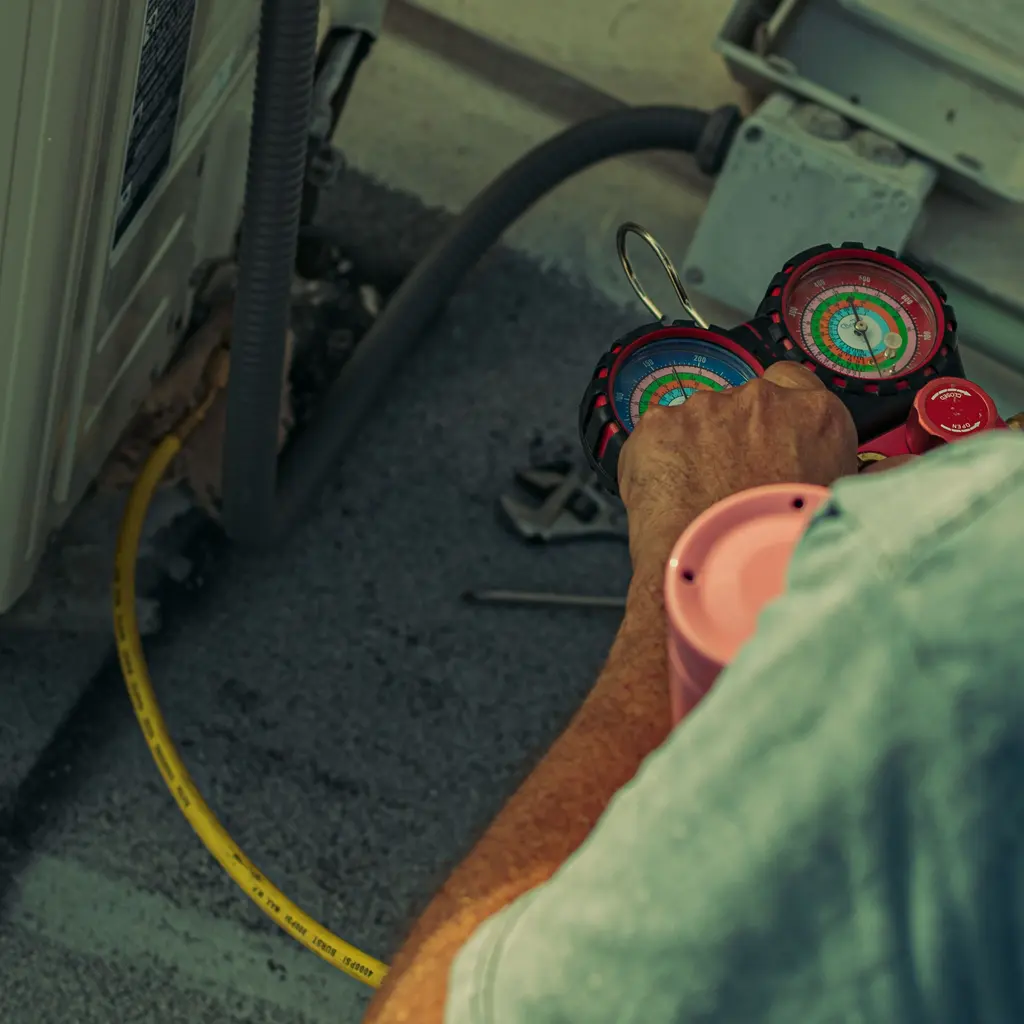
You install and repair water, gas, and HVAC systems inside occupied residential and commercial buildings. A faulty connection can cause floods, while welding or brazing in finished spaces introduces fire risks.
The Southern Agency can review your mechanical service operations and hot-work practices to help select appropriate insurance, such as liability for property damage or coverage for your diagnostic tools and vehicle fleet.
A faulty connection, valve, or fixture can flood a home or business and damage finishes and belongings, sometimes after the job is done.
Connecting gas lines, furnaces, and boilers introduces leak, carbon monoxide, and explosion risk if work is faulty.
Soldering and brazing pipe in finished, occupied spaces can ignite nearby materials and cause fire damage.
Technicians run many calls a day in service trucks carrying tools and parts, raising collision and on-road exposure.
Crawlspaces, attics, and mechanical rooms expose workers to burns, strains, electrical contact, and falls.
Diagnostic gear, recovery machines, and parts stocked in trucks can be damaged or stolen between calls.
Policies to ask about. Which ones fit depends on your operations, your contracts, and the carrier’s forms.
These hypothetical examples are not agency claim results. Whether a loss is covered depends on the facts, policy terms, and applicable exclusions.
Hypothetical: a newly installed supply connection fails overnight and floods a finished basement. GL may address covered resulting damage under accepted water and completed-work terms. Preserve connection tests, commissioning and damage dates; reconnecting, replacing the system or meeting a capacity warranty is separate.
Hypothetical: brazing heat ignites material in a wall cavity of an occupied home. GL may address covered resulting harm under accepted hot-work and work-property terms. Preserve isolation, fire-watch and incident records; a trade credential or site authorization does not establish insurance acceptance.
Hypothetical: diagnostic tools and a recovery machine are stolen from a van overnight. Equipment terms may address covered theft under actual ownership, values and storage/security conditions. Parts, refrigerant, a customer unit and damage to the van are not automatically included with the tools.
Start with the work you do and the questions your current policies leave unanswered. Carrier options depend on your location, risk, and underwriting. Explore our approach.
General liability may respond to third-party water damage from a faulty connection, though workmanship redo is often excluded. Coverage depends on the policy and the facts.
Identify actual work, commissioning and damage dates, cause and affected property. Review completed-work and water/gas/work-property terms, separately from reconnecting, system replacement, and pure loss of comfort or capacity; later discovery is not itself a coverage trigger.
Describe actual gas connections, combustion/service, and test duties and review accepted operations and conditions, including carbon-monoxide and completed-work terms. Disclosure or a trade credential does not establish acceptance or coverage for every system.
List owned/hired diagnostic/recovery equipment and parts, values and rental duties and actual transit/site/overnight theft terms. Separate equipment, stock, client units and van damage; a vehicle policy or tool schedule does not automatically cover all four.
An eligible firm may combine specified shop property and accepted liability. Describe actual water, drain, gas/combustion, refrigerant and electrical work, then compare mobile tools, parts and customer units separately. An established shop or trade license does not establish every task or off-site interest is included.
Review actual owned/hired/non-owned vehicles, drivers and service use and auto/mobile-equipment terms. Liability and vehicle physical damage differ from tools, carried parts/refrigerant and pollution; insuring the van does not insure every interest.
Bring your questions, current policies, and relevant contracts. An agent can review coverage terms, exclusions, and the information carriers ask for, then explain the options available to you.