

Maritime worker injury exposure
Crews working over and on the water may fall under federal maritime laws, creating injury exposures beyond standard state workers' compensation.
Try a different word, or check the spelling.
Your floating equipment works beside docks, vessels and the port's own infrastructure. Damage to those surroundings and loss of the plant you use need different marine and construction protection.
The Southern Agency can help you address the complex insurance requirements for working in and around navigable marine environments.
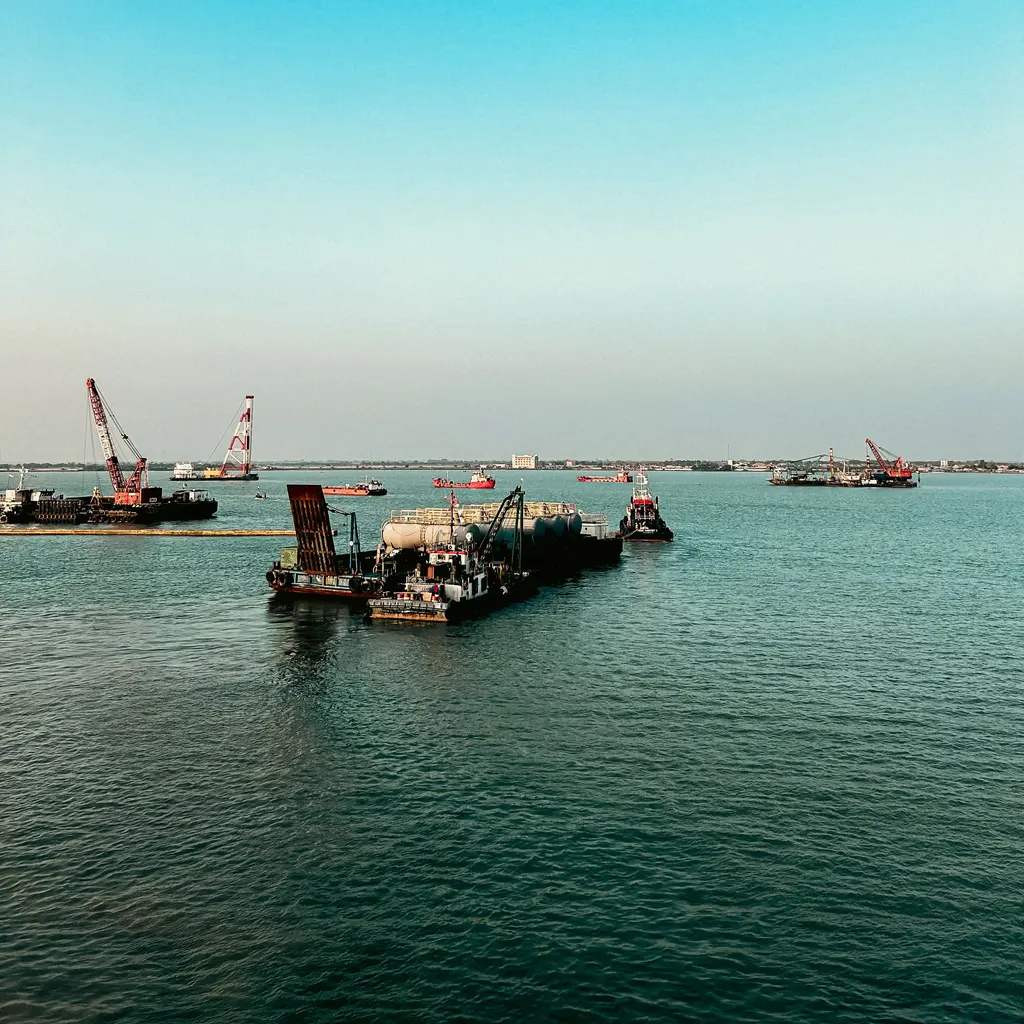
You build waterfront infrastructure like piers and bulkheads, often working from barges or floating platforms. Marine environments add unique hazards involving water navigation, dredging, and worker status under maritime regimes.
The Southern Agency can review your marine operations, including floating equipment and site conditions, to help select appropriate insurance, such as coverage for waterfront construction or marine-specific liability.
Crews working over and on the water may fall under federal maritime laws, creating injury exposures beyond standard state workers' compensation.
Work from barges, piers, and bulkheads exposes employees to drowning and serious injury if they fall into the water.
Cranes, pile drivers, and dredges operating from barges or jack-up platforms face stability, rigging, and dropped-load failures.
Fuels, hydraulic fluids, and disturbed or dredged sediment can release pollutants into the harbor, triggering cleanup liability.
Barges, tugs, and floating equipment can strike docks, vessels, or structures, causing marine liability and property damage.
High-value floating and shore-based plant exposed to storms, sinking, and corrosion is costly and slow to replace.
A port or government contract may request bid, performance or payment security with different submission times. Confirm actual instrument, obligee and timing; performance/payment and bid obligations are not interchangeable.
Policies to ask about. Which ones fit depends on your operations, your contracts, and the carrier’s forms.
Ready to compare options?
Get a quote for Port and Harbor Construction Contractor Or call 1-800-777-1TSAThese hypothetical examples are not agency claim results. Whether a loss is covered depends on the facts, policy terms, and applicable exclusions.
Hypothetical: a crew member falls from a barge into harbor water and is injured. Review actual duties, location, employer and vessel connection before applying state, Longshore or vessel-crew terms. The fall's location and a generic maritime endorsement do not establish the appropriate worker regime or every employer liability.
Hypothetical: a crane hose releases hydraulic fluid into harbor water. Environmental terms may address covered response under actual substance, floating/shore operation, site and reporting conditions. Preserve spill records; repairing the hose, routine handling, every fine and port-delay demand are separate.
Hypothetical: a towed barge strikes and damages an adjacent dock. Marine liability may address covered resulting harm under actual barge, tug, charter and tow roles. Preserve control and contract records; dock damage, barge hull loss and port interruption are different interests, not automatically all contractor GL.
Start with the work you do and the questions your current policies leave unanswered. Carrier options depend on your location, risk, and underwriting. Explore our approach.
Review actual duties, locations and vessel connections under applicable law. Harbor work may implicate Longshore and vessel crew have a different regime; state cover and a generic maritime endorsement do not automatically address every worker, and shore location alone is not decisive.
Review actual fuel/fluids, sediment and known conditions, dredging, transport/disposal and water/site/reporting terms. A harbor release or order does not establish every contaminant, fine or routine compliance cost as insured.
Identify actual owned/hired/chartered hull and machinery, shore gear and towing/afloat stages and values. Review physical damage, sinking/storm, and corrosion/wear separately from liability, rental duties, and lost port production; one schedule does not settle every cause.
Identify actual barge/tug ownership, charter and towing roles and damaged structure, then review contractor/watercraft/custody and marine liability terms. Allision does not establish fault, hull payment or cover for every port-delay demand.
Check the actual port/government bid, contract and obligee. Bid, performance and payment obligations differ and require surety approval; they do not insure every marine accident or guarantee an award.
Builders risk may help cover wharves and materials during construction, though marine projects need specialized terms. Coverage depends on the policy and underwriting.
Bring your questions, current policies, and relevant contracts. An agent can review coverage terms, exclusions, and the information carriers ask for, then explain the options available to you.