

Component breakage during handling
Cracked or dropped panels, beams, or columns during stripping, storage, loading, or setting can cause costly rework and third-party damage.
Try a different word, or check the spelling.
Your finished component is still work in progress for the building that receives it. Protection needs to follow the element through yard storage, transport and setting, separately from the gear doing the lifting.
The Southern Agency can help you align your plant, transit, and field operations with appropriate insurance terms.
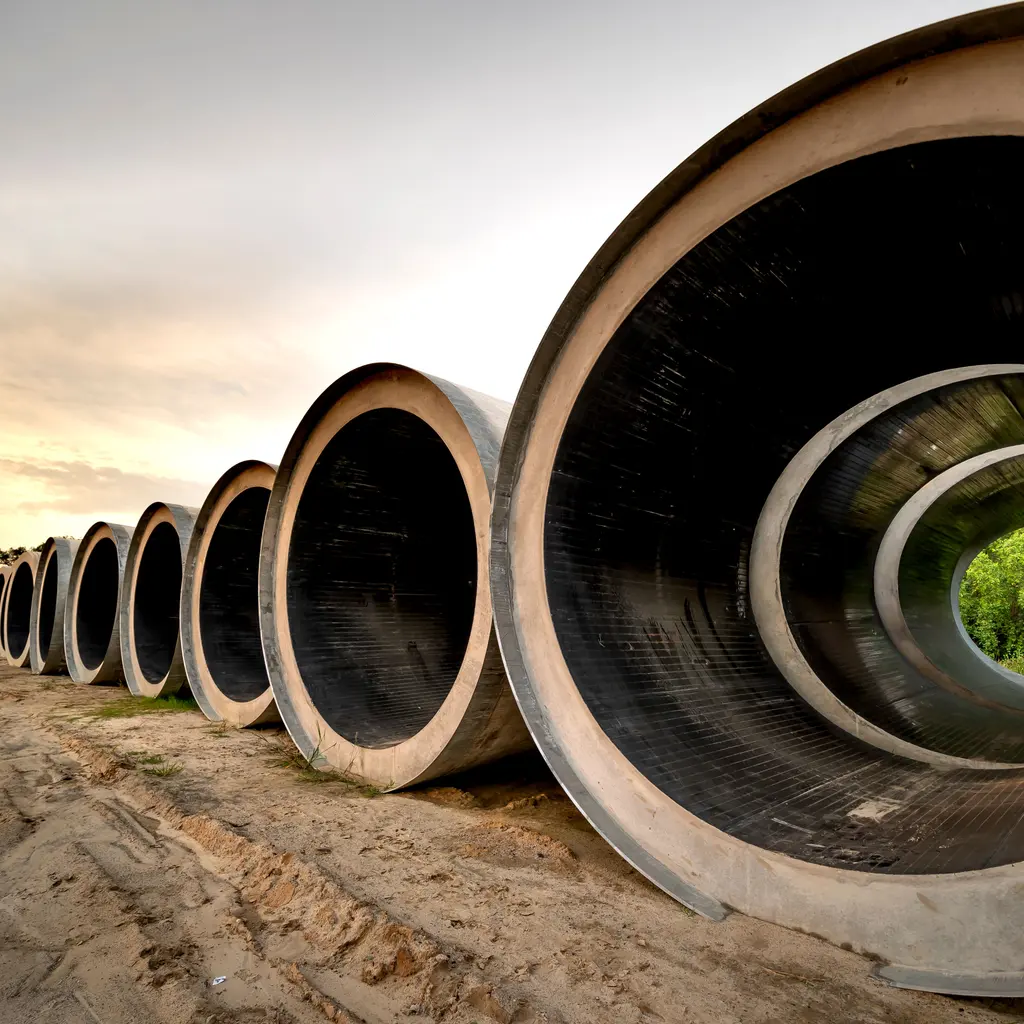
You may cast panels or other concrete elements, arrange delivery and set them into a building. A component can crack during stripping, shift on a flatbed or damage neighboring work during a lift. Back at the yard, a stopped crane or curing system can interrupt pours that cannot simply wait.
The Southern Agency can review your fabrication, transit and erection risks to help select coverage like inland marine for panels in storage or rigging liability for field setting. For example, we can clarify how your general liability responds to on-site injury versus the specialized protection needed for finished inventory in transit.
Cracked or dropped panels, beams, or columns during stripping, storage, loading, or setting can cause costly rework and third-party damage.
Hauling heavy precast on flatbeds exposes the contractor to overturn, shifting load, and cargo damage on public roads and at delivery sites.
Lifting multi-ton elements into place near other trades creates serious injury and property-damage exposure if a pick goes wrong.
Batching plants, overhead cranes, and curing systems are central to output, and a failure can halt production and spoil in-process pours.
Heavy lifting, rebar, form work, and field erection expose crews to crush, strain, and fall injuries with high claim severity.
Spalling, cracking, or connection failures discovered after components are installed can trigger claims well after the project closes.
Policies to ask about. Which ones fit depends on your operations, your contracts, and the carrier’s forms.
These hypothetical examples are not agency claim results. Whether a loss is covered depends on the facts, policy terms, and applicable exclusions.
Hypothetical: a panel slips during a crane pick and damages adjacent finished work. Liability terms may address covered resulting harm under accepted casting/erection and lift roles. Identify crane/operator and control responsibilities; adjacent work, the panel, the crane and an injured employee are separate interests.
Hypothetical: a precast beam shifts and cracks on a flatbed. Cargo or component-property terms may address covered physical loss under actual ownership, value, handling and transit conditions. Keep condition and securement records; truck damage, remaking a defective casting and a delayed erection crew are different costs.
An overhead crane motor fails mid-shift and stalls production while a pour is in process. Investigate actual cause and insured machine/breakdown terms, with spoiled-material and lost-output extensions separately. The motor failure alone does not establish all repair, pour, or downtime costs as insured.
Start with the work you do and the questions your current policies leave unanswered. Carrier options depend on your location, risk, and underwriting. Explore our approach.
Identify actual manufacture/design and connection responsibilities and resulting injury/other damage. Review products/completed-work terms separately from replacing a cracked panel, correcting fit, recall, or load warranties; component failure alone is not a paid product claim.
Identify actual ownership, max component/load values and loading, haul, unloading, staging and setting duties. Compare actual cargo/installation/riggers terms and breakage/processing exclusions; flatbed cover does not automatically continue through every stage.
Review actual crane/operator and lift/setting roles, accepted operations, and work-property/custody terms. Other finished-work damage differs from the lifted panel, crane, and worker injury; client ownership alone does not establish GL payment.
Review actual insured batching, crane and curing plant and covered internal-failure cause, separately from wear, defective mix, and external damage. Spoiled in-process material and lost income need their own insured interests, triggers and periods; a stopped machine alone does not settle them.
Read actual owner/GC limits, ongoing/completed insured status, and waiver requirements against endorsements. A certificate or contract promise does not create those rights, accept all design/erection work or guarantee policy compliance.
Bring your questions, current policies, and relevant contracts. An agent can review coverage terms, exclusions, and the information carriers ask for, then explain the options available to you.