

Falls during elevated assembly
Setting frames, roof panels, and trim at height exposes crews to serious fall injuries.
Try a different word, or check the spelling.
You may receive a building kit before you own responsibility for every part of it. The delivery and handling agreement matters when arranging protection for staged components and the assembly work.
The Southern Agency can help you manage the risks of elevated assembly and component staging.
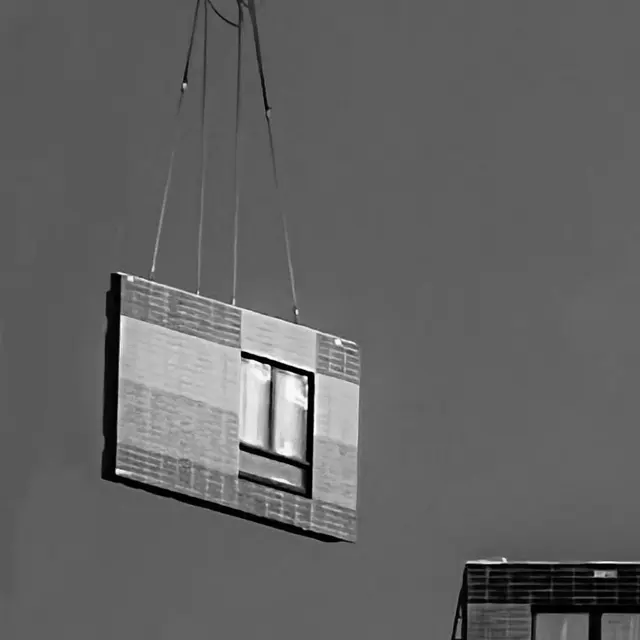
Your work involves unloading, staging, and assembling modular or metal structures at heights. A connection failure or a drop during a lift can lead to serious injury or damage to the building under construction.
The Southern Agency can review your specific erection methods and contractual obligations to help select appropriate insurance. For instance, we can discuss how builders risk insurance may cover the structure during assembly, distinct from the liability required for heavy crane operations near other trades.
Setting frames, roof panels, and trim at height exposes crews to serious fall injuries.
Lifting steel frames and large panels with cranes and telehandlers can cause struck-by and crush injuries or damage to surrounding property.
Building kits staged before erection face wind, weather, and theft. Actual ownership, risk-of-loss and handling agreements determine responsibility; custody alone does not establish paid replacement.
Improperly fastened or sealed panels can let water into the finished building, prompting completed-operations claims after occupancy.
Incorrect bolting or bracing of pre-engineered components can compromise the assembly and lead to costly rework or liability.
General contractors and owners impose specific limits and endorsements, and falling short can stall progress payments or breach the agreement.
Policies to ask about. Which ones fit depends on your operations, your contracts, and the carrier’s forms.
Ready to compare options?
Get a quote for Prefabricated Building Erection Contractor Or call 1-800-777-1TSAThese hypothetical examples are not agency claim results. Whether a loss is covered depends on the facts, policy terms, and applicable exclusions.
High winds scatter and bend roof panels staged on site before erection. A builders risk or inland marine policy may respond to the damaged materials, depending on policy terms and the cause of loss.
A crew member is injured falling while securing roof panels. Workers' compensation may respond to medical and wage costs, subject to the specific policy and state requirements.
A panel slips from a telehandler and damages a neighboring structure. General liability coverage may respond to the third-party damage, depending on policy terms and the facts.
Start with the work you do and the questions your current policies leave unanswered. Carrier options depend on your location, risk, and underwriting. Explore our approach.
Describe actual delivered metal/modular/panel assembly, height, lifting, and component handling. Disclose any factory fabrication, design or other building activities for separate review; the erection description does not establish their acceptance.
Responsibility varies by contract. Builders risk or inland marine coverage may respond to damage or theft of staged components, depending on the agreement and the specific policy.
Working at height to set frames and panels makes falls a significant claim source. Workers' compensation often responds, subject to state requirements and policy terms.
Read actual owner/GC limits, ongoing/completed insured-status, and waiver requirements against endorsements and exclusions. A certificate does not establish those rights or that every crane, design, or component obligation is accepted.
Review actual crane/operator, unloading/setting/bracing duties, and work-property/custody terms. Neighboring structure damage differs from the lifted kit, machine, or a worker injury; a client-owned panel does not automatically establish GL cover.
Bring your questions, current policies, and relevant contracts. An agent can review coverage terms, exclusions, and the information carriers ask for, then explain the options available to you.