

Working near moving trains
Crews and on-track equipment operate within live corridors, where a fouled track or missed window can cause fatal struck-by incidents.
Try a different word, or check the spelling.
Your track machines work on a railway that has its own operating interests. Contractor liability and any railroad-protective coverage need to be considered together without treating them as the same policy.
The Southern Agency can help you match your coverage to the demanding indemnity terms of railroad customers.
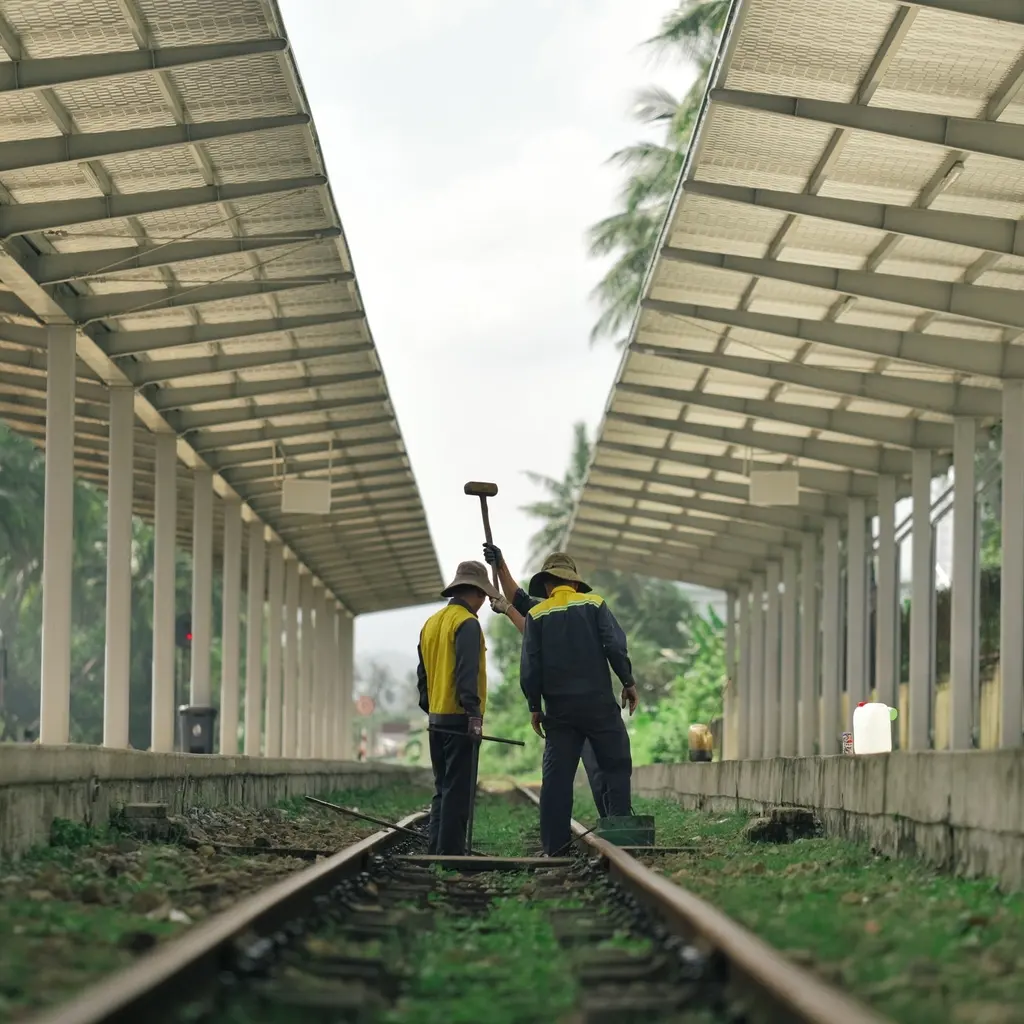
Your work involves grading, track laying, and welding in live rail corridors. Operating heavy track machines near active trains creates a high risk of derailment or fatal struck-by incidents.
The Southern Agency can review your railroad agreements, track-machine schedules and crew duties to help you choose insurance. We can compare your own liability with any project-specific railroad protective requirement, and separate machine damage from track restoration or train-delay demands.
Crews and on-track equipment operate within live corridors, where a fouled track or missed window can cause fatal struck-by incidents.
Tampers, ballast regulators, and rail trains can derail or strike workers, and a fouled main can affect the railroad's own operations.
Track machines, rail welders, and material handlers are costly and exposed to damage, theft, and derailment on the right-of-way.
Railroads typically require broad indemnification, additional-insured status, and protective coverage that shift liability to the contractor.
Lifting rail, thermite welding, and ballast work expose crews to burns, strains, and respiratory hazards.
Long, remote stretches of track complicate rescue and increase the on-road and off-road exposure of crew and material vehicles.
Grading, ballast, and on-site fueling of track machines can create sediment runoff and spill exposures along the corridor.
Policies to ask about. Which ones fit depends on your operations, your contracts, and the carrier’s forms.
These hypothetical examples are not agency claim results. Whether a loss is covered depends on the facts, policy terms, and applicable exclusions.
A crew member is struck while working close to an active line during a maintenance window. Workers' compensation may help with medical costs and lost wages, subject to policy terms and the facts.
A ballast regulator derails and damages newly placed track and the machine itself. Review machine damage separately from the track work and any railroad liability interest; neither an equipment schedule nor a protective policy automatically covers every part of this event.
A track machine leaks fuel onto the ballast and adjacent soil, requiring cleanup. An environmental policy may respond to remediation and liability, subject to the specific policy and exclusions.
Start with the work you do and the questions your current policies leave unanswered. Carrier options depend on your location, risk, and underwriting. Explore our approach.
The actual agreement may require indemnity, contractor liability endorsements, and railroad protective liability as separate obligations. Those promises can exceed insured liability, particularly train-delay or other economic-loss demands; a certificate or high limit does not resolve that gap.
Yes. Railroad protective liability generally protects the named railroad for specified project operations; it is not simply extra limits on the contractor's GL. The contractor still needs its own applicable liability coverage and railroad-work/contractual-liability review. Check the actual railroad agreement and any approved project or blanket arrangement.
List each owned/hired tamper, regulator, welder and handler, value and actual on-track/transit use. Review derailment, internal failure, wear, and storage terms separately. Insuring a machine does not also insure newly installed track or the railroad's delay costs.
Disclose live main-line versus isolated-spur work, track access/windows, equipment, crew duties, and protection arrangements. Those facts affect review, but a documented safety practice or railroad permission does not establish acceptance of the work.
Transit and public rail contracts commonly require performance and payment bonds. Surety capacity depends on your financials and underwriting.
Pricing commonly reflects revenue, track miles, equipment values, railroad requirements, payroll, and claims history. A tailored quote reflects how your company operates.
Bring your questions, current policies, and relevant contracts. An agent can review coverage terms, exclusions, and the information carriers ask for, then explain the options available to you.