

Spoilage from failed or faulty service
If a cooler or freezer fails after a repair, the customer's perishable inventory can spoil, producing claims far larger than the service itself.
Try a different word, or check the spelling.
A customer's cooler can hold stock worth far more than your service invoice. Liability for a repair, spoiled inventory, and a refrigerant release are not interchangeable insurance questions.
The Southern Agency can help you protect your business against claims arising from system maintenance and inventory spoilage.
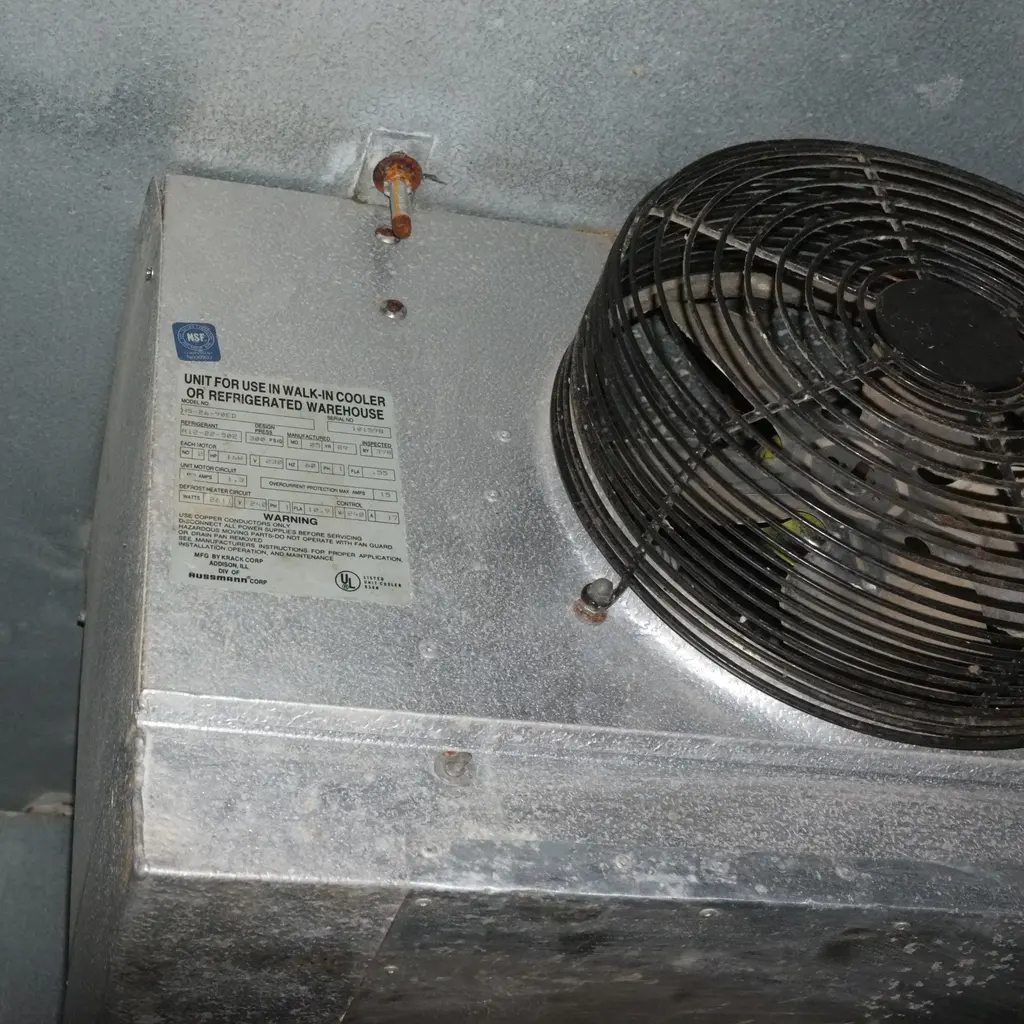
You install and service cooling systems that customers rely on to keep perishable stock usable. If a freezer stops after your visit, the owner may demand replacement inventory as well as a repair. Refrigerant handling and brazing introduce separate release and fire risks in the customer's space.
The Southern Agency can review your service agreements and refrigeration duties to help select appropriate insurance. For example, we can clarify how your liability may respond to a service error, while explaining why spoiled inventory is a separate interest from the repair work itself.
If a cooler or freezer fails after a repair, the customer's perishable inventory can spoil, producing claims far larger than the service itself.
Handling and recovering refrigerants creates the potential for leaks, releases, and regulatory exposure that general liability may exclude.
Soldering and brazing lines near combustible building materials can spark fires that damage the customer's premises.
Recovery machines, gauges and refrigerant cylinders can be stolen from parked service vehicles. Tool, refrigerant-stock and van interests may have different values and overnight security terms.
Improperly brazed lines or drains can leak water or coolant into a customer's space, causing damage discovered after the job.
Lifting compressors, working in cold spaces, and electrical contact expose technicians to burns, strains, and shock.
Policies to ask about. Which ones fit depends on your operations, your contracts, and the carrier’s forms.
Ready to compare options?
Get a quote for Refrigeration Systems or Equipment Contractor Or call 1-800-777-1TSAThese hypothetical examples are not agency claim results. Whether a loss is covered depends on the facts, policy terms, and applicable exclusions.
Hypothetical: a walk-in fails overnight after service and restaurant stock spoils. Investigate whether your work caused actual damage and review accepted service, custody and completed-work terms. Preserve diagnosis, restart temperatures and handoff; the failed part, spoiled stock, lost sales and a response-time promise are separate.
Hypothetical: a line releases refrigerant into a customer's stockroom during repair. Environmental terms may address covered response under actual substance, task, site and reporting conditions. Record the release and affected property; replacing refrigerant, ordinary handling and regulatory fines are not automatically cleanup insurance.
Hypothetical: gauges and a recovery machine are stolen from a parked van overnight. Equipment terms may address covered theft under actual ownership, values and security/location conditions. A tool schedule does not automatically include refrigerant stock, customer units, food inventory or van physical damage.
Start with the work you do and the questions your current policies leave unanswered. Carrier options depend on your location, risk, and underwriting. Explore our approach.
Not automatically. Determine why the freezer failed, whether your service caused actual spoilage, what was in your custody and when work and damage occurred. Separate the faulty component/redo, spoiled inventory, and lost sales or uptime promises. Review actual liability and any specific extensions; the customer's own spoilage insurance is a different policy interest.
A refrigerant release requires review of the actual substance, site, cleanup, and liability terms and exclusions. Applicable Section 608 certification concerns refrigerant-handling tasks; it does not establish environmental insurance acceptance or payment of regulatory fines.
List actual recovery machines, gauges, tools, and any insured parts/refrigerant stock by value and van/location. Check overnight theft/storage terms. Client coolers and food inventory are not added to a tool schedule merely because a technician services them.
Review the actual grocery, restaurant or cold-store agreement, required insured parties, limits, and endorsements before service. A certificate does not create additional-insured rights, and meeting a paperwork request does not insure every inventory or shutdown demand.
Hot work like brazing can cause fires, and general liability may respond to resulting property damage, though hot-work practices may affect terms. Coverage depends on policy terms.
Bring your questions, current policies, and relevant contracts. An agent can review coverage terms, exclusions, and the information carriers ask for, then explain the options available to you.