

Construction-defect and warranty claims
Water intrusion, foundation settlement, or faulty workmanship can prompt claims from homeowners months or years after the home is delivered.
Try a different word, or check the spelling.
A house can contain appliances and finished materials before it is ready for its buyer. Your property protection needs to account for those stages while liability for the delivered home continues as a separate concern.
The Southern Agency can help you align your insurance with the specific requirements of lenders and homeowners.
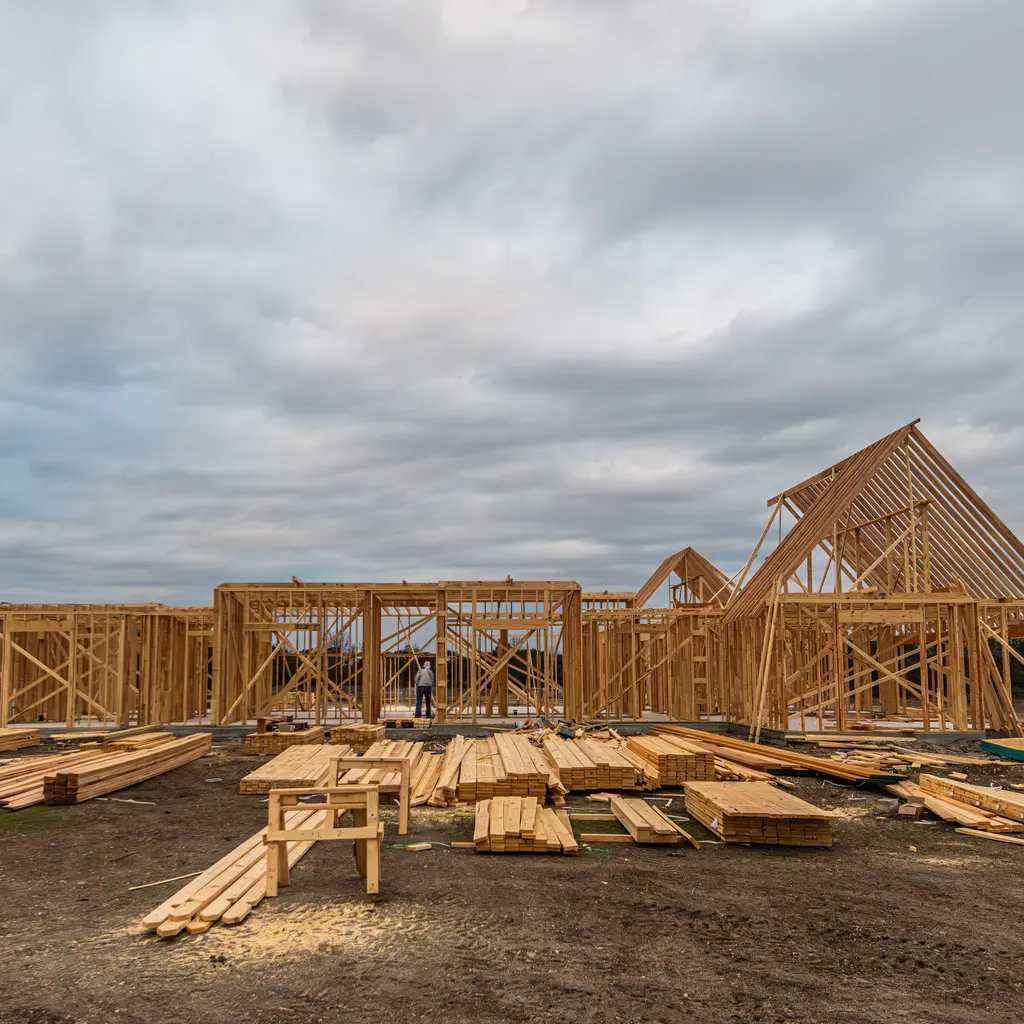
You coordinate trades from framing through finish while materials and appliances accumulate at the house. Fire or theft can set a project back before closing; a homeowner may report water damage long afterward. Those losses raise different questions from a warranty callback or a missed completion date.
The Southern Agency can review your project oversight and subcontractor management to help select appropriate insurance. For instance, we can help you understand how your liability policy relates to the risks of partially built structures versus finished home warranties.
Water intrusion, foundation settlement, or faulty workmanship can prompt claims from homeowners months or years after the home is delivered.
If a subcontractor lacks coverage or fails to name the contractor as additional insured, liability can flow back to the building contractor.
Homes under construction are vulnerable to weather damage, fire, and theft of materials and appliances before the project closes.
Open framing, trenches, and power tools expose crews, subs, and visiting homeowners to falls and other injuries.
Delays, cost overruns, and quality disagreements can lead to disputes that strain the contractor-client relationship.
Lumber, fixtures, HVAC units and appliances can be stolen while staged at an unfinished home. Ownership, reported values and insured stages determine which property interests need protection; installed components and mobile tools are not automatically the same interest.
Policies to ask about. Which ones fit depends on your operations, your contracts, and the carrier’s forms.
These hypothetical examples are not agency claim results. Whether a loss is covered depends on the facts, policy terms, and applicable exclusions.
Hypothetical: a homeowner reports envelope-related water damage after moving in. Completed-work terms may address covered resulting harm under actual residential, work-property and water conditions. Preserve trade, closing, work and damage dates; discovery or a warranty period alone does not establish coverage for all correction.
Hypothetical: fire damages a framed house and staged appliances. Project-property terms may address covered loss if the home, materials, interests and values are included during the insured period. Check occupancy/completion ending events; unsold status does not by itself continue protection or include every delay expense.
Hypothetical: an uninsured subcontractor is injured on site. Investigate actual worker/employer status, state duties and policy terms before assigning benefits or liability. Lack of the sub's insurance alone does not make every injury payable by the builder's workers' compensation or GL.
Start with the work you do and the questions your current policies leave unanswered. Carrier options depend on your location, risk, and underwriting. Explore our approach.
Subcontracting does not remove the builder's own project and liability exposure. Review the agreements, actual work, and insured parties; an uninsured sub does not automatically make every loss payable by the builder's GL or workers' compensation. Worker status and injury obligations depend on applicable state rules and actual facts.
Builders risk is project-property insurance that may help repair covered physical damage to a home and insured materials while construction is underway. Check the named interests, location and value reporting, deductibles and excluded causes. Completion, occupancy or policy expiry may end coverage; do not assume it lasts until the sale or transfer.
Allegations can surface years after closing, but warranty duration and discovery date do not establish a policy response. Preserve work/closing, actual damage and claim dates, applicable terms and limitation issues. Correcting the builder's work or honoring a warranty is different from covered injury or resulting damage.
Certificates provide evidence to investigate; they do not create additional-insured rights or guarantee coverage of the work. Review the actual endorsement, correct builder/entity, scope, dates, and ongoing/completed operations alongside the subcontract. Worker status and premium audits need separate review.
Obtain the written requirements for the particular loan, owner agreement, and any warranty program. Confirm who must arrange project-property coverage, whose interests must be insured, and what liability limits or endorsements are requested. Submit those requirements for insurer review before work starts; neither a certificate nor a requested limit guarantees the terms are available or satisfy the agreement.
Bring your questions, current policies, and relevant contracts. An agent can review coverage terms, exclusions, and the information carriers ask for, then explain the options available to you.