

Work-zone traffic collisions
Motorists entering active work zones can strike crews, flaggers, and equipment, creating severe injury, and liability exposure.
Try a different word, or check the spelling.
You can finish a section of road while responsibility for its base and drainage remains. Later resulting-damage claims raise different questions from insuring the plant still working on the next section.
The Southern Agency can help you align your coverage with the unique safety and regulatory demands of road construction.
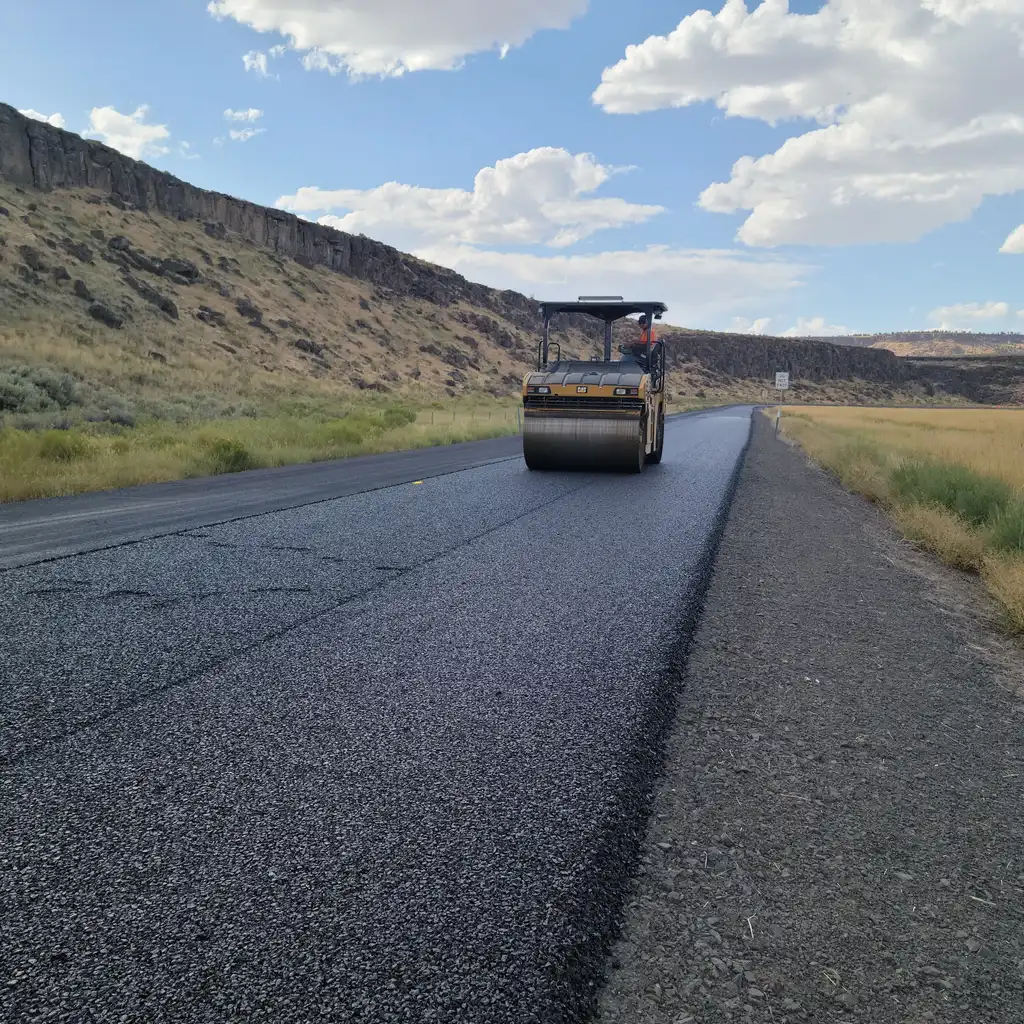
You grade bases, pave sections and reopen lanes while traffic and construction equipment move around the crew. A changing closure can involve a motorist, flagger and machine in one incident. After opening, a grade or drainage complaint is a different question from damage caused to others.
The Southern Agency can review your work-zone operations and traffic-control responsibilities to help select appropriate insurance. We can help you clarify how vehicle liability, equipment coverage and general liability coordinate to address the hazards of both your crew and the traveling public.
Motorists entering active work zones can strike crews, flaggers, and equipment, creating severe injury, and liability exposure.
Disputes over lane closures, signage, and traffic-control plans can draw the contractor into claims following work-zone accidents.
Graders, pavers, rollers, and milling machines are costly and exposed to overturn, theft, and breakdown across open roadway sites.
Crews near moving equipment and hot asphalt face struck-by, caught-between, and burn injuries with high severity.
Trucks moving material and equipment on public roads carry significant auto liability and overturn risk.
Faulty base, drainage, or surface work can lead to premature road failure and claims after the project opens to traffic.
Policies to ask about. Which ones fit depends on your operations, your contracts, and the carrier’s forms.
These hypothetical examples are not agency claim results. Whether a loss is covered depends on the facts, policy terms, and applicable exclusions.
A driver enters a coned-off lane and strikes equipment and a flagger. Workers' compensation may provide benefits if actual employment and applicable law qualify; equipment terms may address covered machine damage, and liability terms may address covered third-party allegations. Establish employers, ownership, vehicles, and traffic-control duties separately. A motorist's involvement does not make the whole incident a GL or auto claim.
Hypothetical: a milling machine is stolen from an open roadway site overnight. Equipment terms may address covered theft if actual ownership, value, location and security conditions are met. An equipment schedule does not waive theft conditions or insure every rental obligation and lost shift.
Hypothetical: a loaded hauler overturns at the exit, spills material and damages another vehicle. Auto may address covered third-party harm under actual insured truck and loading/dumping definitions. Truck physical damage, material loss and cleanup need their own terms; a site exit is not an automatic GL/auto boundary.
Start with the work you do and the questions your current policies leave unanswered. Carrier options depend on your location, risk, and underwriting. Explore our approach.
One incident can involve a worker, motorist, equipment, and other property. Qualifying employee benefits, covered third-party liability, and insured equipment damage may involve different policies. Identify actual employers, ownership, vehicles, traffic-control duties, and allegations; work-zone location alone does not decide coverage or fault.
Check the actual solicitation and contract for bid, performance, and payment obligations. Surety approval/capacity depends on the contractor and project; bonds are not accident insurance, a guaranteed award, or automatic funding of every delay.
Inland marine contractors equipment coverage may help protect graders, pavers, and milling machines against loss and theft across sites, depending on the specific policy and limits.
Auto terms may address covered vehicle liability or selected physical damage for insured trucks. Review actual owned and hired vehicles, drivers, loading, dumping, and vehicle definitions even at a site. Hauled material is a separate cargo interest, not automatically truck damage.
Yes, but a failed grade, drainage, or surface specification does not itself establish insured damage. Separate correcting the road, contractual acceptance and delay from actual injury or resulting damage to other property; preserve work, opening, and damage dates and review actual exclusions.
Bring your questions, current policies, and relevant contracts. An agent can review coverage terms, exclusions, and the information carriers ask for, then explain the options available to you.