

Loaded dump truck collisions
Heavy, slow-stopping trucks raise the severity of highway collisions, exposing the contractor to significant auto liability.
Try a different word, or check the spelling.
Your delivery runs from a quarry road to a discharge point that may have very different footing. Truck liability and load protection need to account for the journey and the work of tipping dense material.
The Southern Agency can help you tailor your fleet insurance to the specific risks of hauling heavy stone and aggregate.
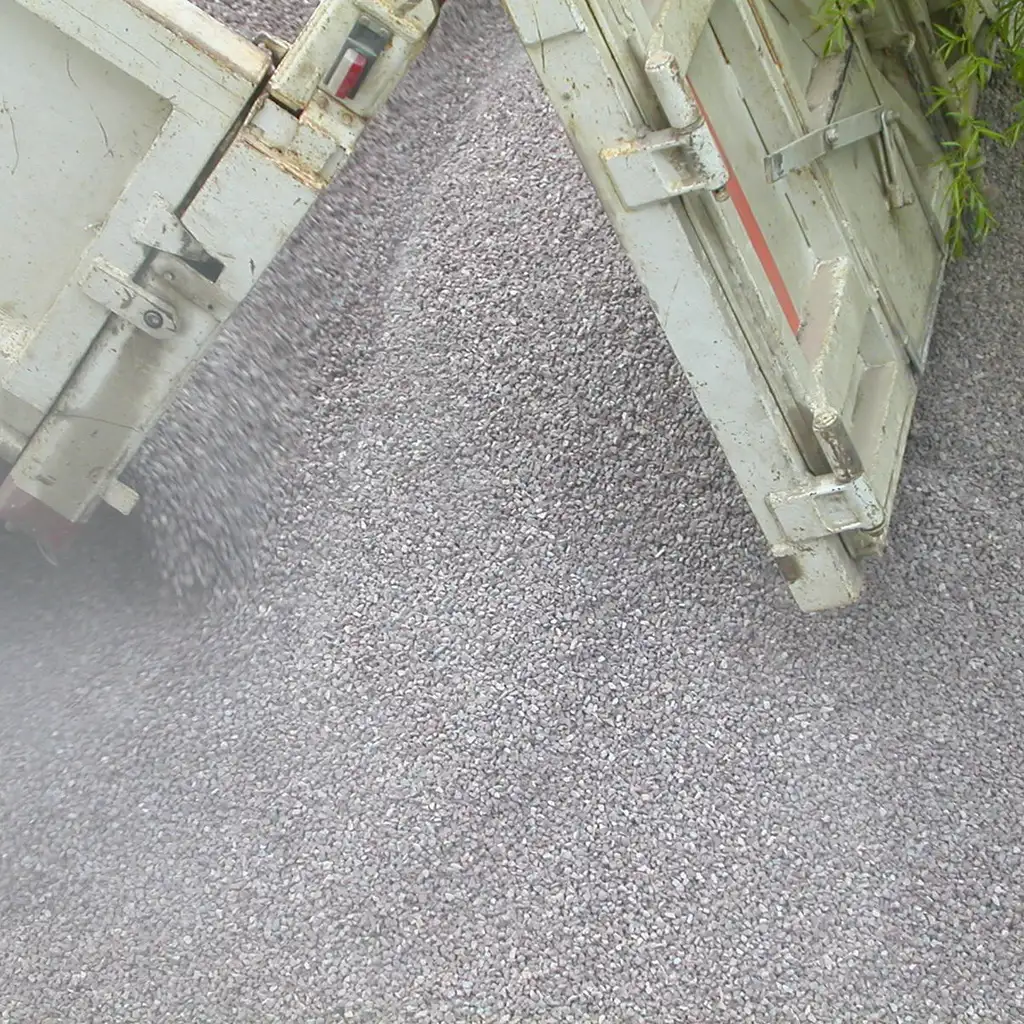
You haul heavy stone, aggregate and crushed materials from quarries to construction sites using dump trucks and end-dumps. Operating loaded trucks on public highways and rough job sites puts your drivers and equipment at constant risk of transit-related or discharge-related accidents.
The Southern Agency can review your specific hauling routes, loading procedures, and site-access habits to help select appropriate insurance. We can discuss how your coverage addresses the physical risks of dumping dense material, such as the danger of overturns near discharge points or falling rock damage to other vehicles.
Heavy, slow-stopping trucks raise the severity of highway collisions, exposing the contractor to significant auto liability.
Rock or aggregate falling from a bed can crack windshields and cause trailing-vehicle accidents the hauler may be liable for.
Tipping a raised bed on uneven ground or near overhead lines can cause overturns or electrical contact during discharge.
Material can be lost, contaminated or damaged en route. Ownership, legal responsibility and actual haul agreements determine the load interest; a missing or rejected delivery does not automatically establish full replacement liability or cargo payment.
Quarry pits and job-site access roads create unstable footing where loaded trucks can tip or get stuck.
Climbing, tarping loads, and working near loaders expose drivers to falls, strains, and struck-by injuries.
Policies to ask about. Which ones fit depends on your operations, your contracts, and the carrier’s forms.
These hypothetical examples are not agency claim results. Whether a loss is covered depends on the facts, policy terms, and applicable exclusions.
Hypothetical: escaped stone breaks a following windshield and contributes to a crash. Auto liability may address covered resulting harm under actual vehicle, load and incident terms. Preserve securement, tailgate and route records; lost stone, cleanup and damage to your own truck are separate interests.
Hypothetical: an end-dump tips on soft discharge ground and damages adjacent property. Review actual insured vehicle and loading/unloading definitions with control of ground and overhead clearance. Third-party harm, truck damage and the stone require different terms; off-road dumping does not automatically make it GL.
Hypothetical: a tailgate fails and crushed stone is lost in transit. Cargo terms may address covered material loss under actual ownership, legal responsibility, cause and load value. Recovery or road cleanup, a replacement delivery and neighboring vehicle damage are not automatically part of the load payment.
Start with the work you do and the questions your current policies leave unanswered. Carrier options depend on your location, risk, and underwriting. Explore our approach.
Loaded trucks create serious road exposure, but review collisions, tipping, escaped cargo, and driver injuries as different interests. Confirm actual auto/GL underlying and excess; neither a liability limit nor the trucking label also insures the truck or load.
Check who owns the stone and what responsibility you assume, then actual causes and loading/transit/dumping terms. Lost aggregate, spillage recovery/cleanup, and damage to following vehicles are separate questions; cargo cover is not proof that all are included.
Possibly. Escaping cargo that causes windshield damage or crashes can lead to claims. Auto liability may respond, depending on policy terms and the facts of the incident.
Separate injury/adjacent-property liability, damage to the truck and loss of the stone. Actual vehicle and loading/unloading definitions and causes determine the auto/GL review, not simply whether tipping happened on a public road or job site. Truck physical damage and cargo need their own applicable terms.
Driver experience and motor vehicle records strongly influence trucking risk and pricing. Strong hiring and safety standards may improve terms, subject to underwriting.
Bring your questions, current policies, and relevant contracts. An agent can review coverage terms, exclusions, and the information carriers ask for, then explain the options available to you.