

Falls from height
Workers on steep slopes, ladders, and scaffolds face serious fall exposure, one of the leading sources of injury in roofing.
Try a different word, or check the spelling.
Your roofing method may involve a torch, hot material or neither. Liability and crew protection need to fit the systems you actually install, rather than assume all roof work has the same insurance terms.
Tell us your roof systems, working heights and tear-off methods, with the insurance requirements for an upcoming job.
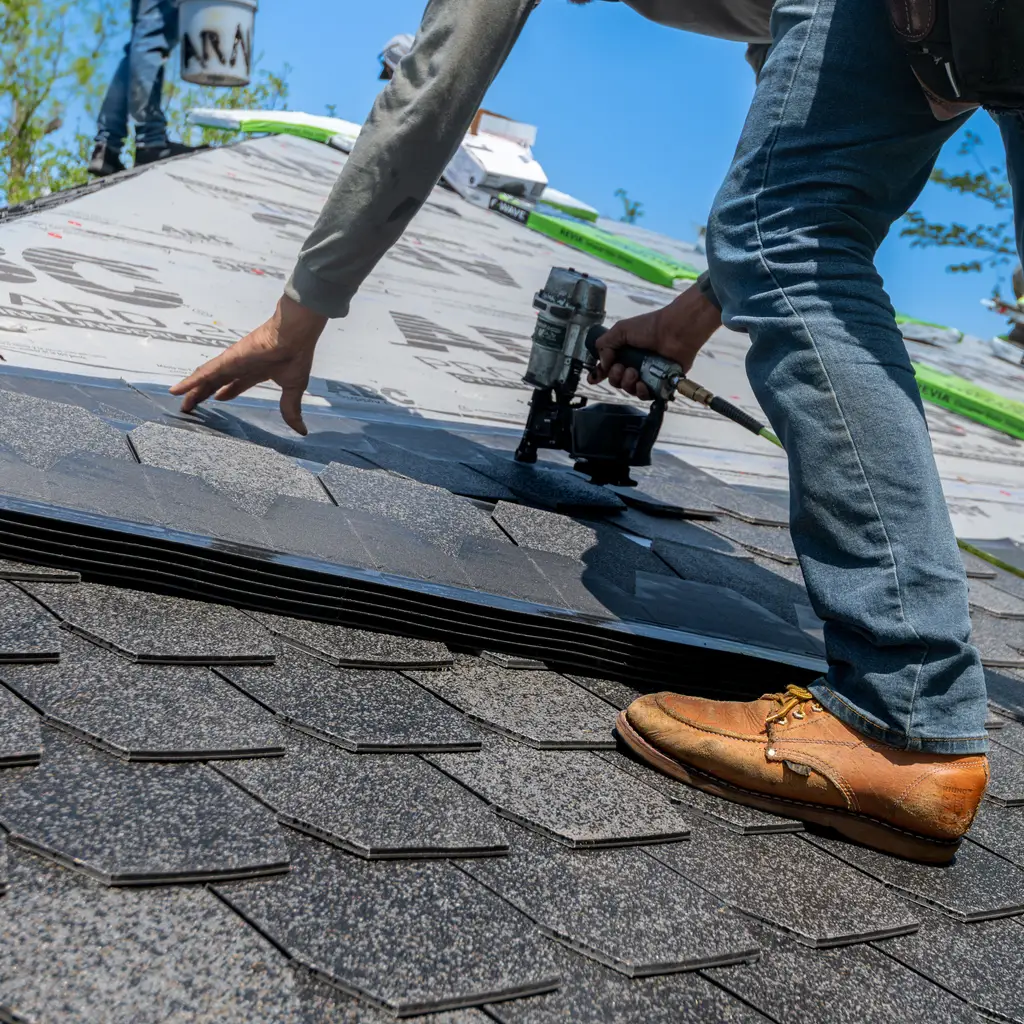
You install or repair roofs while protecting the building and people below. A dropped bundle, storm during tear-off or leak after completion can lead to a property claim, while access and roof height shape your crew's injury risks.
The Southern Agency can review your roof systems, heights and work methods to help you compare insurance. We can discuss open-roof water damage and completed-work liability alongside crew, vehicle and tool protection, with hot-asphalt or torch-down work considered when you perform it.
Workers on steep slopes, ladders, and scaffolds face serious fall exposure, one of the leading sources of injury in roofing.
Nail guns, tear-off debris, and bundles can fall and injure bystanders or damage vehicles, landscaping, and structures below.
Torch-down membranes, kettles, and heat guns introduce ignition risk that may damage the building or surrounding property.
A roof opened for tear-off can let storm water into the interior, causing damage to ceilings, drywall, and contents.
Improper flashing, fastening, or sealing may lead to leaks and callbacks alleging defective workmanship.
Compressors, nail guns, ladders, and harnesses are transported between jobs and exposed to theft and damage.
Trucks and dump trailers hauling shingles, tear-off, and crews create on-road liability and physical-damage exposure.
Policies to ask about. Which ones fit depends on your operations, your contracts, and the carrier’s forms.
These hypothetical examples are not agency claim results. Whether a loss is covered depends on the facts, policy terms, and applicable exclusions.
A storm arrives during tear-off before the deck is dried in, damaging ceilings and contents. General liability may address covered resulting property damage, but open-roof water exclusions and weather-protection conditions can change the response. Repairing the roofing work itself is a separate question.
While loading materials onto a commercial roof, a bundle of shingles slips from the hoist and strikes a parked car below. The owner seeks repair costs, and a general liability policy may respond depending on policy terms and the facts.
During a modified-bitumen application, heat from a torch reaches combustible material near a parapet and causes a small fire. The building owner alleges damage, and coverage depends on the specific policy, endorsements, exclusions, and facts.
Start with the work you do and the questions your current policies leave unanswered. Carrier options depend on your location, risk, and underwriting. Explore our approach.
Describe roof systems, heights/pitch, access methods, direct/subcontract labor, and work states. Check any height/slope restrictions against those tasks. Fall-protection records support review but do not establish that every roof or worker is accepted.
Hot-work using torches or kettles is an underwriting consideration. Coverage availability depends on the specific policy, and some may require it to be scheduled or exclude it.
Compressors, nail guns, ladders, and harnesses move between job sites and sit exposed at customer properties. Inland marine may help with theft or damage to that mobile equipment, subject to policy terms.
Bring the GC/owner agreement, required insured parties, and ongoing/completed endorsements as well as limits. A certificate is evidence, not the grant of rights, and requested wording may not be available for every roof or method.
Not automatically. Establish the tear-off and drying-in stage, weather protection, cause, and timing of water entry and damaged ceilings/contents. Review water/open-roof, work-property and other exclusions; damage during an unfinished job is not classified solely by when the homeowner reports it.
Pricing commonly reflects payroll, the mix of residential and commercial work, hot-work use, height, claims history, and the vehicles and equipment insured. A tailored quote reflects how your specific shop operates.
Bring your questions, current policies, and relevant contracts. An agent can review coverage terms, exclusions, and the information carriers ask for, then explain the options available to you.