

Falls during storm-damage repair
Inspecting and restoring weather-damaged, sometimes weakened roofs exposes crews to serious falls. Access, decking condition and the actual inspection or repair method matter even before permanent work begins.
Try a different word, or check the spelling.
A homeowner may look to your inspection and estimate before deciding on storm repairs. Liability for that advice and the restoration work does not itself authorize you to negotiate the owner's insurance claim.
The Southern Agency can help you clarify your liability and property needs when managing high-volume storm restoration work.
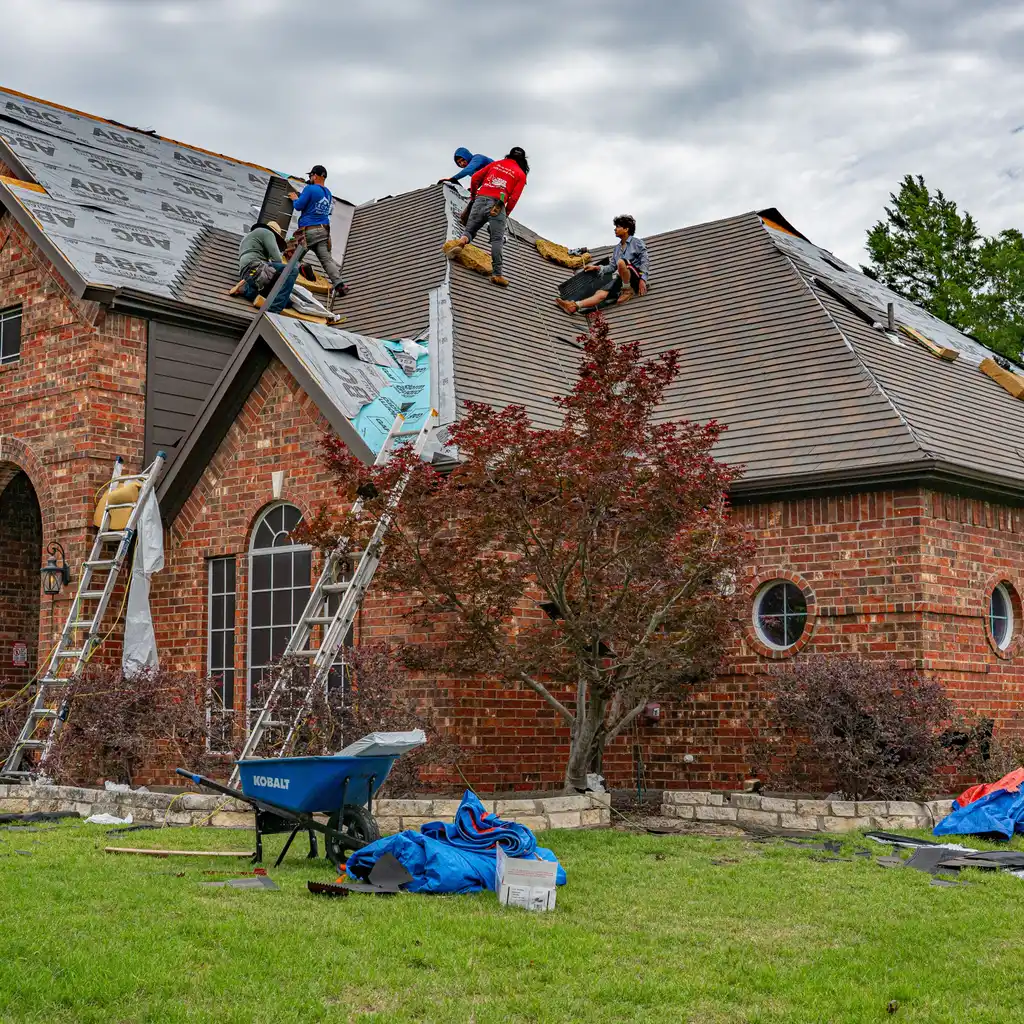
You inspect storm-damaged roofs, put temporary protection in place and decide what repair or replacement your construction estimate includes. Another storm may arrive before permanent work starts. New water damage, a disputed estimate and negotiating the owner's insurance claim are different responsibilities.
The Southern Agency can review your inspection, repair, and storm-restoration work to help you select insurance. We can discuss resulting-damage liability and equipment protection, with any professional estimating duties considered separately.
Inspecting and restoring weather-damaged, sometimes weakened roofs exposes crews to serious falls. Access, decking condition and the actual inspection or repair method matter even before permanent work begins.
Errors alleged in a contractor's damage observations or construction estimate can lead to disputes; claim negotiation/representation is a separate regulated role, not authorized by an insurance policy.
Post-storm door-to-door marketing, settlement promises, or alleged claim representation can trigger consumer or regulatory complaints; not every allegation is an insured advertising offense.
Tarps and partial restorations may fail in a follow-up storm, leaving the building exposed to renewed water damage.
Rapid post-storm hiring can put less-trained workers at height, increasing the chance of injury and faulty work.
Coatings or repairs that fail to seal properly can let water intrude later, prompting completed-operations and warranty claims.
Policies to ask about. Which ones fit depends on your operations, your contracts, and the carrier’s forms.
These hypothetical examples are not agency claim results. Whether a loss is covered depends on the facts, policy terms, and applicable exclusions.
A property owner alleges the contractor overstated storm damage in an insurance claim. The allegation does not by itself establish fraud or an insured professional service. The role performed, lawful scope, allegations and conduct exclusions determine whether a defined-service policy addresses defense or payment.
Hypothetical: a tarp fails in a follow-up storm and water reaches interior finishes. GL may address covered new resulting harm under accepted temporary-protection, water and work-property terms. Record initial storm damage, protection duties and later entry dates; tarp replacement, existing damage and an owner's disputed settlement are separate.
Hypothetical: a worker falls while assessing a hail-damaged roof. Workers' compensation may provide qualifying benefits under actual employment and state law. Establish the employer, temporary/subcontract role and work state; rapid deployment or a labor certificate does not settle benefit responsibility.
Start with the work you do and the questions your current policies leave unanswered. Carrier options depend on your location, risk, and underwriting. Explore our approach.
Restoration work may include storm/age assessment, coatings or section repair, temporary tarps, and post-storm sales. Other roofers may do those tasks too. Describe your services: estimating construction work is not permission to negotiate an insurance claim, and professional/advertising terms must fit the lawful service and allegation.
A defined-service form may address accepted inspection or construction-estimating errors. Do not assume every roofer's advice or claim negotiation is accepted. Check applicable public-adjuster licensing/conflict rules and exclusions; a policy is not authorization or guaranteed protection for alleged deception.
Yes. Review ads, door-to-door practices, contracts, and policy/settlement promises under applicable rules. GL covers specified advertising offenses, not every consumer, regulatory or pricing complaint; deliberate conduct and fines need terms and legal review.
A failed tarp can produce both redo and new water damage. Establish existing storm damage, who controlled temporary protection, timing, and interior harm. Fault and GL response depend on the facts and accepted work/exclusions; failure alone is not the liability finding.
Disclose peak jobs, direct/subcontract/temporary crews, work states, experience, and supervision at height. Coverage and worker-status review follows the operation and state rules; training alone does not guarantee acceptance or improved rates.
Bring your questions, current policies, and relevant contracts. An agent can review coverage terms, exclusions, and the information carriers ask for, then explain the options available to you.