

Loaded dump truck accidents
Heavy trucks running between pits and sites face severe accident exposure on highways and rough haul roads.
Try a different word, or check the spelling.
Your driver's work does not stop at the cab: tarping, tailgates, and unloading are part of the run. Injury protection and truck liability need to reflect those duties, with the sand load treated separately.
The Southern Agency can help you address the unique road and loading risks inherent to sand and aggregate hauling.
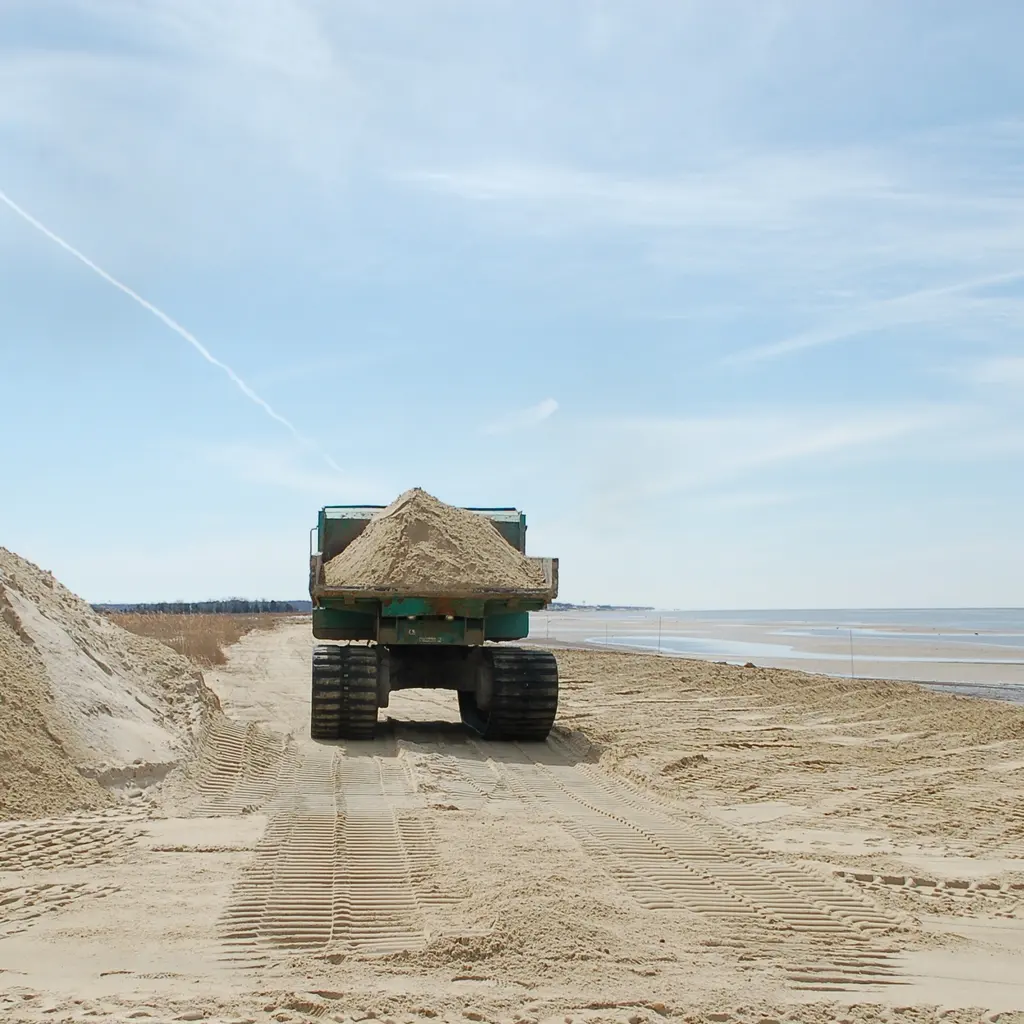
You haul sand and aggregate to construction sites using dump trucks and end-dumps, often operating on tight schedules. The constant interaction with uneven terrain at job sites and heavy-load demands creates significant road and vehicle-related risks.
The Southern Agency can review your hauling operations and site-tip procedures to help select appropriate insurance. We can discuss how to protect your fleet, your cargo and your drivers, particularly concerning the physical risks of dumping sand on soft ground or the liability of operating heavy vehicles in work zones.
Heavy trucks running between pits and sites face severe accident exposure on highways and rough haul roads.
Raising a loaded bed on uneven or soft ground can tip a truck, injuring the driver and damaging equipment.
Sand and aggregate can shift, spill, or be lost in transit, creating cleanup costs and roadway hazards.
Trucks reversing into active work zones risk striking workers, equipment, or finished work.
Overloaded trucks can trigger citations, road damage liability, and disputes over delivered quantities.
Climbing cabs, handling tarps, and releasing tailgates expose drivers to falls, strains, and pinch injuries.
A disabled hauler stalls deliveries, and major mechanical failure can interrupt contracted runs and income.
Policies to ask about. Which ones fit depends on your operations, your contracts, and the carrier’s forms.
These hypothetical examples are not agency claim results. Whether a loss is covered depends on the facts, policy terms, and applicable exclusions.
A fully loaded dump truck cannot stop in time and strikes a vehicle on the highway. Business auto coverage may respond to resulting injury and damage claims, depending on policy terms and the facts.
A truck tips while raising its bed on soft ground, injuring the driver and damaging the truck. Auto physical damage and workers' compensation may respond, subject to the specific policy and exclusions.
Aggregate spills across a road during transit, prompting cleanup and a third-party claim. Cargo and liability coverage may respond, depending on policy terms and conditions.
Start with the work you do and the questions your current policies leave unanswered. Carrier options depend on your location, risk, and underwriting. Explore our approach.
Most of the exposure rides with the trucks and loads, so coverage typically resembles a trucking program. The exact mix depends on your fleet and operations, subject to underwriting.
Check load ownership/legal responsibility, aggregate types/values and loading/transit/dumping stages. Lost material, road cleanup and injury/damage to others are distinct interests. Cargo cover may include specific removal features, but no label proves every spill or third-party demand is included.
Loaded dump trucks carry high accident severity, so insurers weigh driving records heavily. Clean records and safety programs may influence availability and pricing during underwriting.
Auto physical damage coverage may help repair or replace trucks after a covered accident or rollover, depending on the specific policy and deductibles you select.
Distinguish road damage from a weight/axle citation, delivery-quantity dispute or assumed contract penalty. Fault and policy response depend on duties, vehicle/operation, and exclusions, not merely where the truck tipped or whether a permit was issued.
Compare client-required limits with primary auto/GL and any accepted excess, drivers, and haul/dumping operations. Higher liability limits are not truck physical damage, cargo, breakdown or guaranteed delivery income; the amount and availability need operation-specific review.
Bring your questions, current policies, and relevant contracts. An agent can review coverage terms, exclusions, and the information carriers ask for, then explain the options available to you.