

Heavy equipment rollovers and struck-by
Operating dozers, excavators, and scrapers on slopes and uneven ground exposes crews to overturn and crush injuries.
Try a different word, or check the spelling.
You may leave a fleet on a remote site between workdays while disturbed soil remains exposed to rain. Equipment protection and liability for runoff address different parts of that job.
The Southern Agency can help you align your insurance with the heavy-equipment intensity and environmental risks of site preparation.
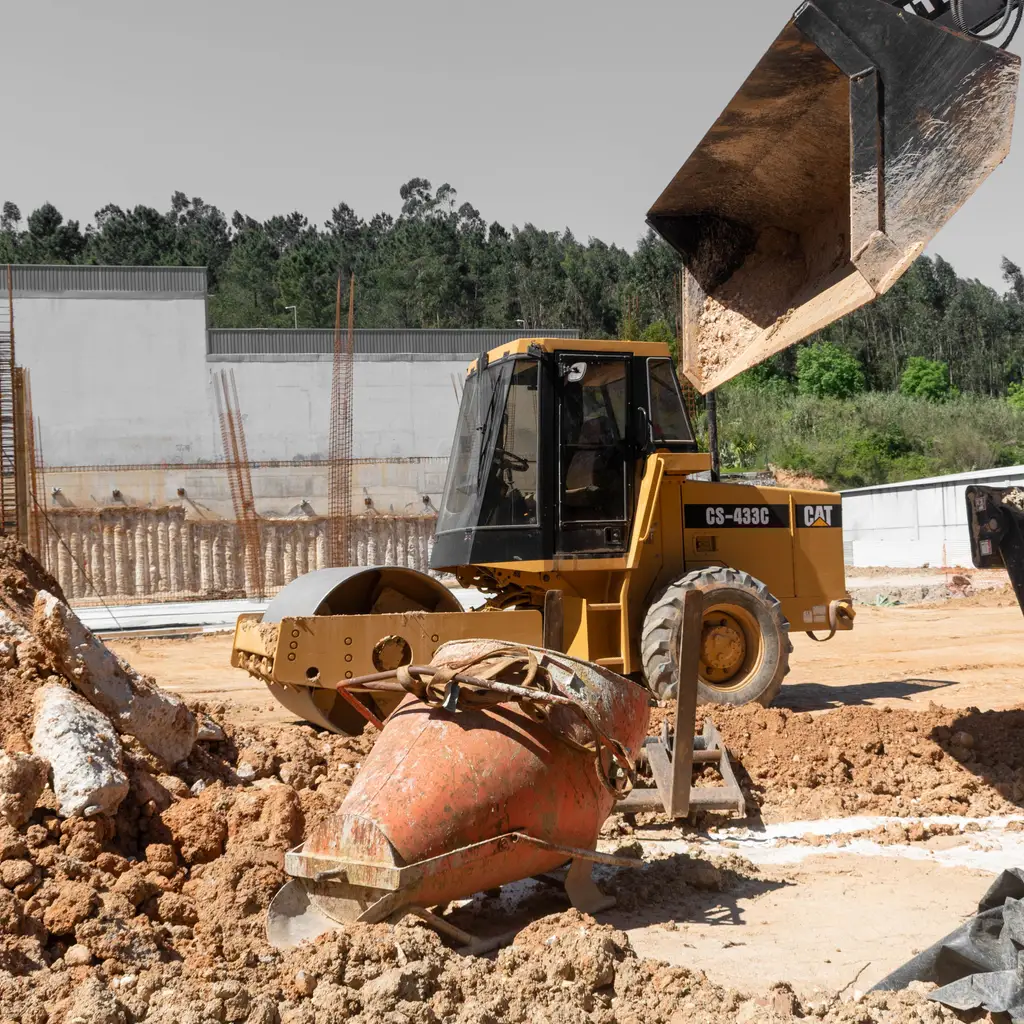
You clear land and grade soil using heavy dozers and excavators to prepare foundations for new projects. Disturbing large earth areas near utilities and waterways creates risks of erosion, utility strikes and mechanical accidents that can result in regulatory and legal action.
The Southern Agency can help you evaluate your heavy equipment fleet and earth-moving activities to help you select appropriate insurance. We can assist in separating the risks associated with equipment transit and operation from the potential environmental liabilities of soil and runoff management.
Operating dozers, excavators, and scrapers on slopes and uneven ground exposes crews to overturn and crush injuries.
Clearing and grading over large areas risks hitting buried gas, water, or electric lines, causing damage and outages.
Disturbed soil can wash into waterways, creating pollution exposure and regulatory penalties without proper controls.
Improper elevations or compaction can cause settlement and drainage problems blamed on the contractor later.
Earthmoving near boundaries can undermine or damage neighboring structures, landscaping, and roads.
High-value machines left on remote sites can be stolen, vandalized, or break down and stall the project.
Ground crews working near operating machinery and unstable slopes face serious injury exposure.
Policies to ask about. Which ones fit depends on your operations, your contracts, and the carrier’s forms.
These hypothetical examples are not agency claim results. Whether a loss is covered depends on the facts, policy terms, and applicable exclusions.
Hypothetical: grading damages an unmarked utility and interrupts nearby service. GL may address covered physical damage under actual underground, excavation and other applicable terms. Preserve locating and verification records; unmarked status does not decide fault, and every outage or financial-loss demand is not automatically included.
Hypothetical: rain washes disturbed soil into a creek and authorities order cleanup. Environmental terms may address a covered condition if actual sediment, site operations, prior conditions and reporting are accepted. An order or erosion plan alone does not establish payment for all cleanup, fines, or correcting failed controls.
Hypothetical: a dozer overturns on a slope and injures its operator. Workers' compensation may provide qualifying benefits under actual employment and state law. Equipment damage, recovery and downtime need separate terms; a machine schedule or employee policy does not approve slope operations.
Start with the work you do and the questions your current policies leave unanswered. Carrier options depend on your location, risk, and underwriting. Explore our approach.
Review heavy-machine accidents, utility strikes, sediment runoff, and allegations about the graded ground. The terrain, proximity to structures, and waterways, and services performed determine the questions to ask. Check the proposed policies against those operations rather than assuming a site-work label includes them all.
Grading can create sediment runoff or disturb contamination, but the response depends on the policy’s covered operations, pollutants, locations, and reporting terms. Ask specifically about those conditions and any cleanup order or penalty. Neither an erosion-control plan nor an environmental policy label proves every runoff claim is included.
Review mobile-equipment coverage for each machine, attachment, and rented unit, including values, transit and covered causes. Theft or accident protection does not automatically include internal mechanical breakdown, wear, or the income lost while a machine is unavailable. Identify those needs separately.
Fault depends on the site facts and obligations, not just whether a line was marked. Review general liability for covered physical damage and any associated interruption claim, including underground or other exclusions. A service outage or purely financial demand is not automatically payable. Keep locating, verification, and incident records.
Check the actual owner or public contract before bidding or mobilizing. It may call for a bid, performance or payment bond, each addressing a specific obligation. Bond approval and any reimbursement duties are separate from the liability and equipment policies.
A settlement allegation requires a distinction between redoing the grading or compaction and injury or resulting damage to other property. Review the work, testing, and handoff records, when damage occurred and the claim date alongside completed-operations and exclusion terms. Later discovery alone does not establish coverage.
Bring your questions, current policies, and relevant contracts. An agent can review coverage terms, exclusions, and the information carriers ask for, then explain the options available to you.