

Effluent release and groundwater contamination
A failed tank or drain field can release sewage into soil and wells, creating pollution cleanup, and bodily-injury exposure.
Try a different word, or check the spelling.
Your customer's system will work below ground, close to the property's soil and water. Pollution protection for an effluent release needs separate attention from correcting a drain field or covering excavation equipment.
The Southern Agency can help you align your installation and service risks with the right insurance and environmental coverage.
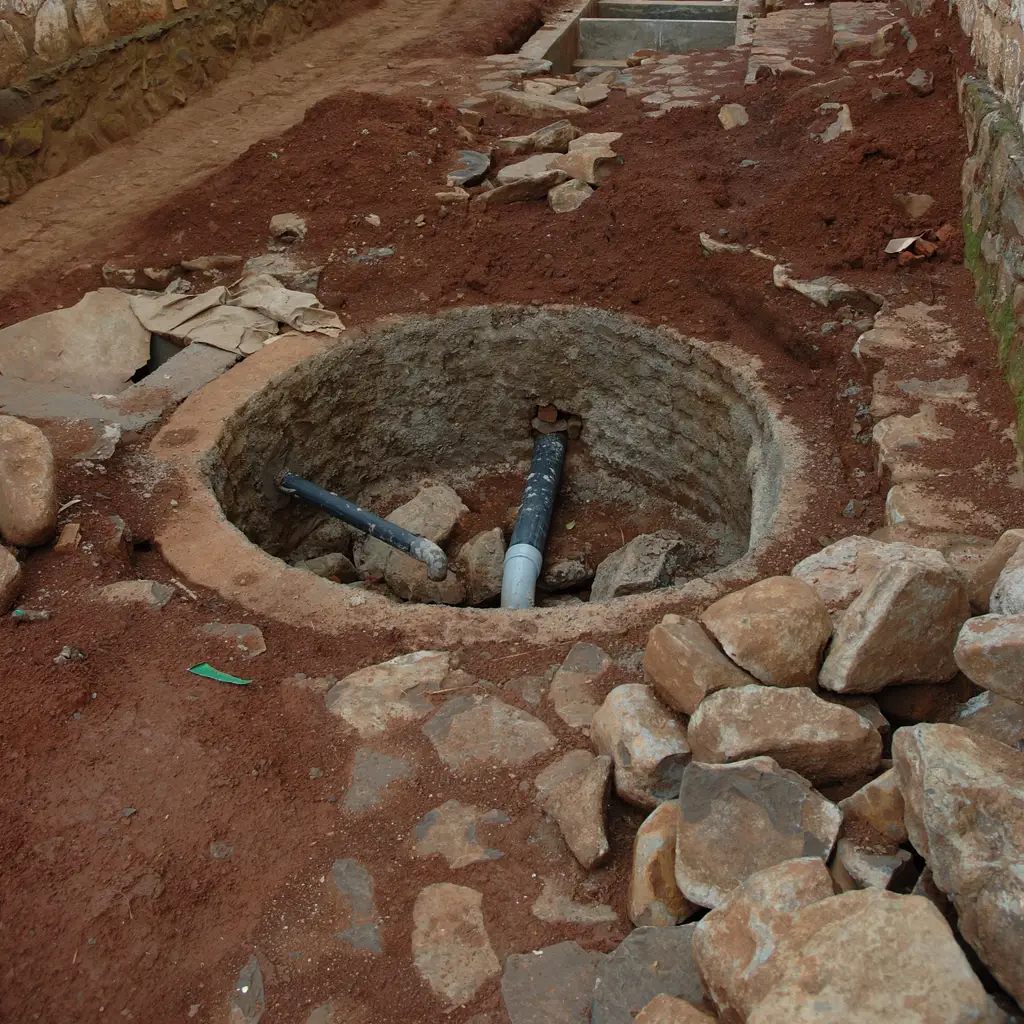
You install and maintain septic systems, combining excavation with plumbing and tank setting. A failed drain field or tank installation can release effluent, leading to significant contamination and cleanup costs.
The Southern Agency can review the systems you install, your excavation methods and any design or pumping duties to help you select insurance. We can discuss effluent-release coverage alongside job-site liability and protection for equipment moving between properties.
A failed tank or drain field can release sewage into soil and wells, creating pollution cleanup, and bodily-injury exposure.
Deep digs for tanks and leach lines expose crews to cave-in, struck-by, and equipment-overturn injuries.
Excavating for systems risks hitting buried water, gas, or electric lines, causing damage and service interruptions.
An undersized or improperly sited system can fail inspection or break down, leading to costly rework and liability.
Heavy equipment can damage driveways, landscaping, wells, and structures on residential properties.
Applicable local permit, site/soil, design, and inspection requirements can govern the work; noncompliance can trigger correction, complaints, or penalties. Do not assume a universal percolation test or an insurance grant from approval.
Excavators, pumps, and tools moving between rural job sites can be damaged, break down, or be stolen.
Policies to ask about. Which ones fit depends on your operations, your contracts, and the carrier’s forms.
These hypothetical examples are not agency claim results. Whether a loss is covered depends on the facts, policy terms, and applicable exclusions.
A newly installed drain field fails and effluent reaches a neighboring well. Environmental liability coverage may respond to cleanup and claims, subject to the specific policy, endorsements, and exclusions.
An unshored trench caves in while a tank is being set, injuring a crew member. Workers' compensation may respond to medical and wage costs, depending on policy terms and the facts.
Digging for leach lines damages an unmarked gas line. General liability coverage may respond to resulting property damage and service-interruption claims, depending on policy terms.
Start with the work you do and the questions your current policies leave unanswered. Carrier options depend on your location, risk, and underwriting. Explore our approach.
Environmental terms may address covered cleanup or third-party claims if effluent reaches soil, wells, or surface water. Check pathogens, sites, cause, prior conditions, and accepted operations and reporting. A pollution policy does not automatically include every design, pumping, disposal, or regulatory demand.
Workers' compensation may provide qualifying employee benefits, while GL may address covered injury or property damage to others. Identify actual employers, depths, soils, water, tank-setting, and trench methods and review accepted underground work. A permit or safety plan is not proof every operation or loss is insured.
GL may address covered third-party physical damage or injury from a strike. Preserve utility ownership, locating, verification, cause, and damage records. Outage-only, assumed repair and other financial demands need separate review; an unmarked line does not itself decide fault or guarantee payment.
Check the actual jurisdiction, license, permit, or project request. A bond supports its specified obligation to the obligee or eligible beneficiaries; compliance and project performance or payment duties differ. Approval and capacity require separate surety review, and indemnity may require reimbursement. It is not accident insurance or an automatic system warranty.
Inland marine may help cover excavators, pumps, and tools that move between rural sites and can be damaged or stolen, depending on the policy and valuation chosen.
Rework costs are often the contractor's responsibility, and resulting third-party damage may involve liability coverage. The response depends on policy terms and the circumstances.
Bring your questions, current policies, and relevant contracts. An agent can review coverage terms, exclusions, and the information carriers ask for, then explain the options available to you.