

Deep trench and confined-space hazards
Cave-ins, flooding, and toxic gases in deep sewer excavations and manholes pose life-threatening risks to crews.
Try a different word, or check the spelling.
A sewer job can put your crew below a street that other people still need to use. Work-injury, public-liability, and wastewater-release protection need to fit those simultaneous responsibilities.
The Southern Agency can help you align your insurance with the specific risks of deep-trench and utility-infrastructure construction.
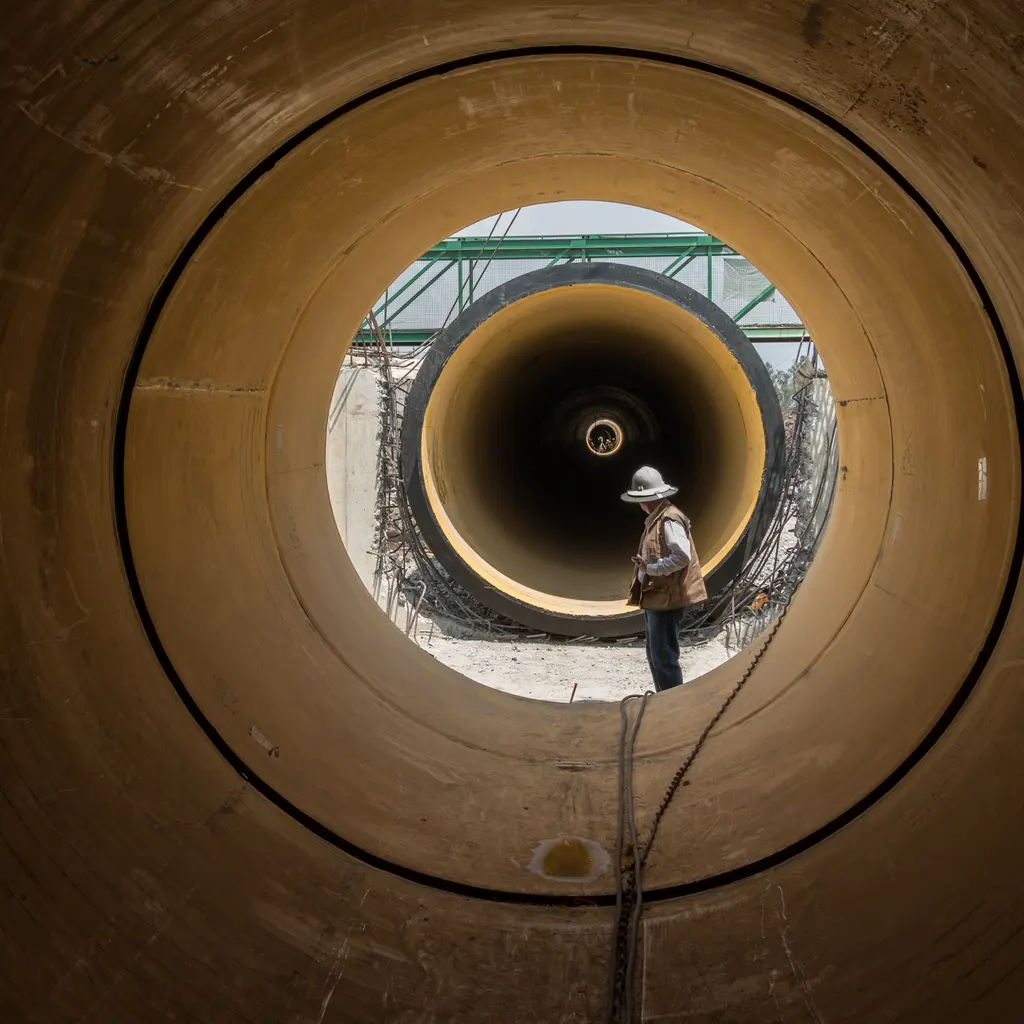
You install wastewater infrastructure such as deep pipe, manholes and lift stations beneath active streets, navigating complex underground hazards. Confined spaces, heavy machinery operation and open excavations can result in cave-ins, traffic accidents or utility strikes that disrupt your project and expose your business to liability.
The Southern Agency can help you review your specific job scopes, including depth and shoring methods, to select appropriate insurance for your operations. For example, we can assist in distinguishing liability for accidental property damage or injuries from contractual performance obligations or equipment breakdown.
Cave-ins, flooding, and toxic gases in deep sewer excavations and manholes pose life-threatening risks to crews.
Open cuts in streets and rights-of-way endanger motorists and pedestrians and require constant traffic control.
Excavation and shoring near existing lines and foundations can cause utility strikes and structural damage.
Breaching existing mains or installing faulty lines can release sewage, triggering cleanup and contamination claims.
Read the public/private agreement for bond, schedule, and liquidated-damages obligations. A performance or payment promise is not itself a GL grant or guaranteed reimbursement of the contractor.
Excavators, pumps, and trenchless boring rigs represent major value and can be damaged, stolen, or break down.
Crews face crush, struck-by, and strain injuries working around heavy machinery in active excavations.
Policies to ask about. Which ones fit depends on your operations, your contracts, and the carrier’s forms.
These hypothetical examples are not agency claim results. Whether a loss is covered depends on the facts, policy terms, and applicable exclusions.
An unshored section of deep trench collapses, injuring workers. Workers' compensation may respond to medical and wage costs, depending on policy terms and the circumstances of the incident.
Excavation breaches an existing sewer main and releases wastewater into a waterway. Environmental liability coverage may respond to cleanup, subject to the specific policy, endorsements, and exclusions.
Settlement near an open cut causes pavement to give way under a passing car. General liability coverage may respond to the resulting claim, depending on policy terms and the facts.
Start with the work you do and the questions your current policies leave unanswered. Carrier options depend on your location, risk, and underwriting. Explore our approach.
This guide describes collection mains, manholes/lift stations, live ties, open-cut/trenchless work, and public/traffic interfaces. Plumbing, septic and broader pipeline firms can share tasks; depths, methods, entry and contracts matter more than an exclusive trade boundary.
Check the actual bid, owner and applicable public-work requirements for the type and timing of any bond. Bid, performance and payment bonds support different specified obligations to the obligee or eligible beneficiaries. Capacity and approval require separate surety review, and indemnity may require reimbursement. No single requirement or guaranteed bond applies to every sewer job.
Environmental terms may address covered cleanup or third-party claims from included wastewater releases. Check accepted substances and operations, sites, cause, existing conditions, and reporting alongside GL pollution restrictions. An environmental label does not insure every regulatory demand, fine, or ordinary compliance expense.
Workers' compensation may provide qualifying employee benefits, while liability terms may address covered injury or damage to others. Separate trench work from manhole or pipe entry and identify actual employers and third-party roles. Review accepted depths, methods and entry tasks; safety permits or training are not insurance acceptance or proof of fault.
Inland marine may address covered physical loss to insured excavators, pumps, and rigs at sites or in transit. Check ownership or hire, values, and project stages. Accidental damage or theft, internal breakdown, wear, and lost project income need different causes and terms; a mobile-equipment schedule alone does not cover every stoppage.
Yes, but do not treat schedule or performance promises as automatic GL coverage. Separate injury/damage from delay, correction, and contractual charges; examine the specific clause, accepted services and any applicable insured or surety obligation. No placement, capacity, or payment is promised.
Bring your questions, current policies, and relevant contracts. An agent can review coverage terms, exclusions, and the information carriers ask for, then explain the options available to you.