

Trench cave-in and collapse
Ground failure can bury or crush workers. Protective arrangements depend on the actual excavation and conditions; a brief insurance guide is not a trench-protection plan.
Try a different word, or check the spelling.
Your excavation, spoil and machines share a corridor with property and services that must remain protected. Liability for those surroundings is separate from covering crew injuries and the equipment in the trench.
The Southern Agency can help you align your trenching and excavation activities with appropriate insurance coverage.
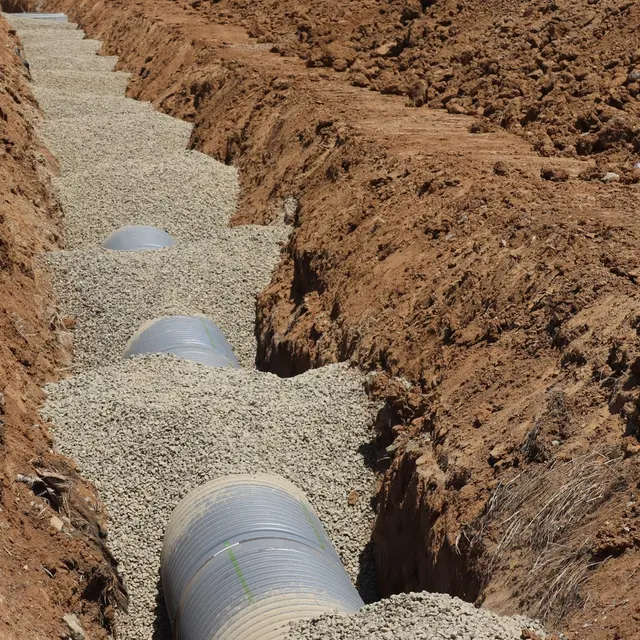
You perform excavation and trenching for utility lines or footings, where ground movement, vibration, or utility strikes can damage nearby property or foundations. These physical hazards and the risk of trench collapse can result in severe injuries or costly claims.
The Southern Agency can review your trenching work and site-specific risks to help you select appropriate insurance. For example, we can assist in distinguishing liability coverage for property damage from the specialized policies needed for worker injuries and equipment protection.
Ground failure can bury or crush workers. Protective arrangements depend on the actual excavation and conditions; a brief insurance guide is not a trench-protection plan.
Strikes on gas, electric, water or fiber lines can cause injury, outages, and property damage. Plans or markings do not eliminate the need to verify utility locations or by themselves settle fault.
Excavators and spoil piles can crack foundations, pavement, and landscaping near the trench corridor.
Trenchers, backhoes, and excavators are high-value assets exposed to mechanical failure and theft from open sites.
Striking sewer lines or disturbing contaminated ground can release pollutants requiring cleanup.
Workers near operating machinery face struck-by, caught-between, and rollover hazards in confined corridors.
Failing to follow utility-locate procedures or permit conditions can expose the contractor to liability after a strike.
Policies to ask about. Which ones fit depends on your operations, your contracts, and the carrier’s forms.
These hypothetical examples are not agency claim results. Whether a loss is covered depends on the facts, policy terms, and applicable exclusions.
An excavator nicks an unmarked gas line, forcing an evacuation and emergency repairs. General liability may respond to third-party damages, depending on policy terms and the facts of the incident.
A trench wall collapses on a crew member before shoring is set. Workers' compensation may help with medical care and lost wages, depending on policy terms and jurisdiction.
Vibration and soil movement crack a foundation adjacent to a deep trench. General liability may respond to repair costs, subject to the specific policy, endorsements, and exclusions.
Start with the work you do and the questions your current policies leave unanswered. Carrier options depend on your location, risk, and underwriting. Explore our approach.
Ground failure can bury or crush a worker, while a strike can damage a utility, interrupt service, or release pollutants. Machinery and soil movement can also harm neighboring foundations. Review employee benefits, covered harm to others, pollution, and machines separately; the trench label or a safety plan does not establish every interest is insured.
General liability may help with covered physical damage or injury from a strike, subject to underground and other exclusions. Separate repair of the line from an outage-only financial demand and pollution cleanup. An unmarked line does not by itself settle fault or payment.
Inland marine may address covered physical loss to insured machines and shoring at sites or in transit. Review values, ownership, or hire, and covered causes. A theft or accident form does not automatically pay internal failure, wear, underground recovery, or every delay while equipment is unavailable.
Discuss the actual soil, groundwater, utility, and dewatering operations and pollutants. Environmental terms can address covered cleanup or liability but have their own conditions and reporting requirements; an environmental label does not establish that every existing contaminant or release is included.
It may provide qualifying employee medical and wage benefits after cave-in or machinery injuries. Review actual employers, worker duties, and state obligations; the requirements depend on applicable law and workforce arrangements. Liability to others and damage to equipment do not replace employee benefits.
A major strike or collapse can exceed a primary liability limit. An umbrella or excess policy may add limits above covered underlying liabilities; check scheduled policies, accepted excavation operations, attachment, and exclusions. Higher limits do not restore underground or pollution exclusions or insure machines and employee benefits.
Bring your questions, current policies, and relevant contracts. An agent can review coverage terms, exclusions, and the information carriers ask for, then explain the options available to you.