

Groundwater and aquifer contamination
Drilling can create pathways between aquifers or introduce contaminants, leading to pollution claims and costly remediation that may emerge later.
Try a different word, or check the spelling.
Your customer wants a usable well, while the job also involves a rig, underground work, and groundwater responsibilities. Coverage for equipment or resulting damage should not be mistaken for a water-yield guarantee.
The Southern Agency can help you align your property, liability, and equipment coverage with your specific well-drilling site duties.
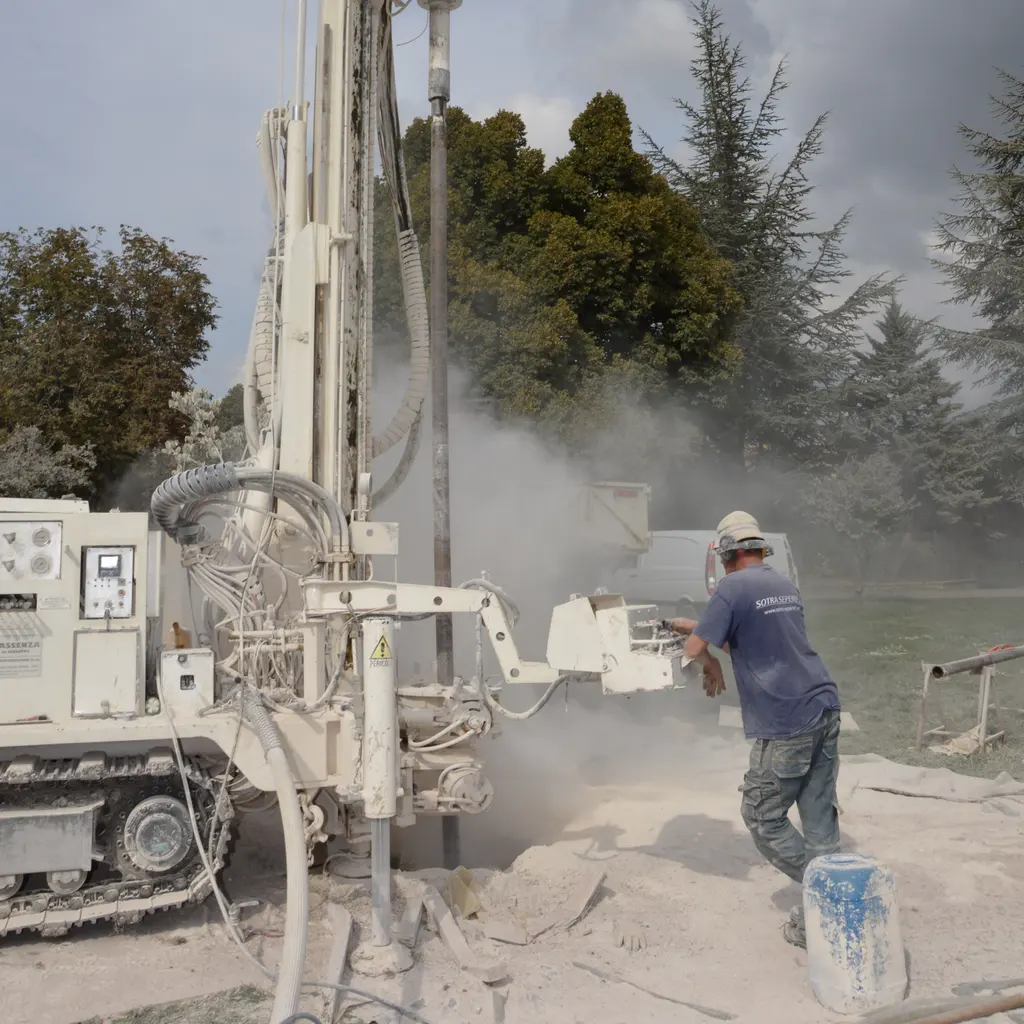
You operate truck- or trailer-mounted rigs to install wells or geothermal loops, which can expose you to underground-damage, pollution, or site-access claims. A drilling error or a faulty casing installation can lead to long-term groundwater contamination or property disputes that may emerge well after you have demobilized.
The Southern Agency can review your specific drilling and site-remediation responsibilities to help you select coverage, such as environmental liability for groundwater incidents or inland marine for your mobile rigs. For example, we can examine how your policy handles equipment breakdown for a compressor versus the separate requirements for redrilling costs if a well fails to yield.
Drilling can create pathways between aquifers or introduce contaminants, leading to pollution claims and costly remediation that may emerge later.
Boring can hit buried gas, water, electrical, or septic lines, causing service disruption, property damage, and potential injury.
Tall masts and heavy truck-mounted rigs can overturn on uneven ground or be damaged in transit, generating large equipment losses.
Rotating drill strings, hoists, and pressurized systems expose crews to serious crush, entanglement, and impact injuries.
A collapsed, dry or improperly grouted well can require redrilling or correction and lead to contract disputes. Resulting injury, other-property damage or contamination must be distinguished from the unsatisfactory well itself.
Failure of pumps, compressors, or rig components can halt drilling and spoil schedules, creating repair and business interruption costs.
Heavy rigs and trucks can damage driveways, lawns, irrigation, and access routes while reaching and operating at remote sites.
Policies to ask about. Which ones fit depends on your operations, your contracts, and the carrier’s forms.
These hypothetical examples are not agency claim results. Whether a loss is covered depends on the facts, policy terms, and applicable exclusions.
Hypothetical: faulty grouting is alleged to connect contamination to a drinking-water aquifer. Environmental terms may address covered resulting pollution under actual well types, contaminants, known conditions and reporting. Investigate cause and completion records; allegation alone does not establish fault or payment for regrouting, redrilling and all remediation.
Hypothetical: a mounted rig overturns while set up on saturated soil. Equipment terms may address covered machinery damage under actual ownership, value, setup and overturn terms. Compare chassis, mounted gear, downhole items and recovery separately; truck mounting or a general rig value does not insure every interest or lost shift.
Hypothetical: a bore strikes an unmarked gas line, leading to evacuation and repairs. GL may address covered resulting physical harm under accepted underground duties and exclusions. Preserve locating/verification facts; unmarked status does not decide fault, and repair, interruption-only demands and released contaminants need separate review.
Start with the work you do and the questions your current policies leave unanswered. Carrier options depend on your location, risk, and underwriting. Explore our approach.
Environmental terms may address covered cleanup or third-party pollution claims from included well operations. Compare GL pollution restrictions with the actual well types, contaminants, known conditions, completed work, and reporting terms. Neither a policy name nor an allegation establishes every response or well-correction cost is insured.
Equipment terms may address covered physical loss to insured drilling machinery, pumps and tools. List chassis, mounted, downhole and hired items separately and compare auto and equipment definitions, schedules, values, overturn and recovery through travel, positioning and operation. Truck mounting or road-versus-site location alone does not allocate every interest.
Liability terms may address covered resulting injury or other-property damage, and environmental terms may address included contamination. A dry well, redrilling or a water-yield guarantee is not itself proof of that harm. Separate well correction from resulting losses and review actual operations and timing; keep completion, testing, damage, and claim records.
Responsibility depends on locating and verification duties, authorizations, and incident facts, not just whether the line was marked. GL may address covered resulting injury or property damage under accepted underground terms. Preserve records and distinguish physical harm, outage-only demands, and released contaminants; possible insurance response does not itself decide fault.
It may provide qualifying employee medical and wage benefits after rotating-equipment, hoist or other work injuries. Check actual employers, duties, work states, and applicable obligations; requirements depend on law and workforce arrangements. Liability to others and rig damage are separate interests.
Provide the drilling scope, well types, client contract, requested limits, and endorsements before agreeing to them. Compare those requests with the proposed policies, including pollution and rig terms. A certificate cannot add coverage, and neither this guide nor the request promises that the terms can be provided.
Bring your questions, current policies, and relevant contracts. An agent can review coverage terms, exclusions, and the information carriers ask for, then explain the options available to you.