

Shop machinery injuries
Powered shears, brakes, and rollers can cause severe laceration, crush, and amputation injuries to shop workers.
Try a different word, or check the spelling.
Your fabrication schedule can depend on a working shear, brake or roller long before the assembly reaches the site. Machinery-breakdown protection deserves attention separately from stock and delivery coverage.
The Southern Agency can help you protect both your fabrication machinery and your field installation operations.
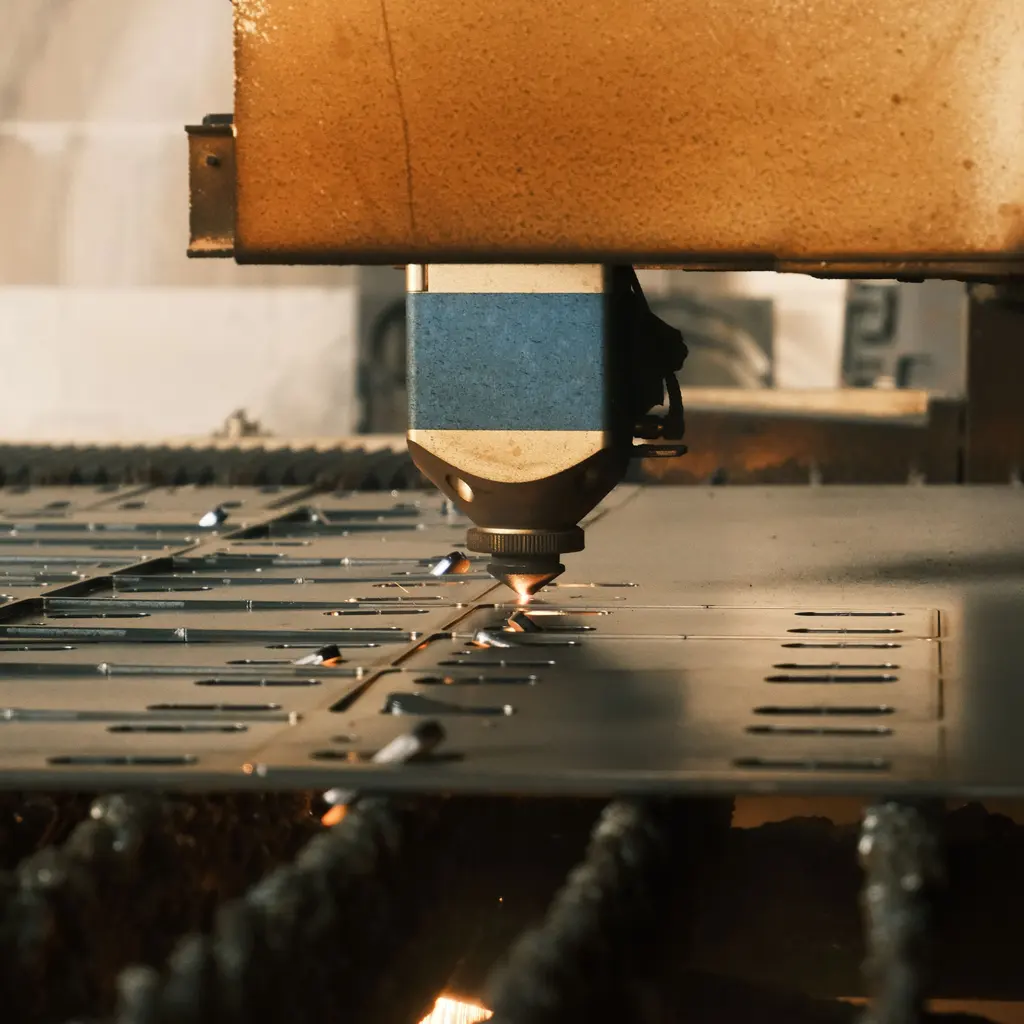
You operate powerful machinery to fabricate custom ductwork and flashing, while your field crews manage installation on rooftops or in mechanical rooms. A welding-related fire or a press-brake injury can halt your shop production and create significant costs.
The Southern Agency can review your shop, products sold and installation duties to help choose appropriate insurance. We can distinguish internal machinery breakdown from fire or transit damage, check who owns assemblies between stages and discuss liability for resulting harm rather than an airflow or fit guarantee.
Powered shears, brakes, and rollers can cause severe laceration, crush, and amputation injuries to shop workers.
Hot work in the shop and on site creates fire, burn, and fume hazards that can ignite materials or structures.
Critical fabrication machinery can fail, stopping output and delaying contracted deliveries and installations.
Ductwork, flashing, or custom metal that fails in service can lead to product and completed-operations claims.
Installing metal on rooftops and in mechanical rooms exposes crews to falls and can damage finished buildings.
Raw coil, fabricated assemblies, and shop equipment represent significant value exposed to fire and theft.
Delivering large fabricated duct and metal components creates road accident and cargo-damage exposure.
Policies to ask about. Which ones fit depends on your operations, your contracts, and the carrier’s forms.
These hypothetical examples are not agency claim results. Whether a loss is covered depends on the facts, policy terms, and applicable exclusions.
Hypothetical: a shop employee's hand is caught in a press brake. Workers' compensation may provide qualifying benefits under actual employment and applicable law. Machine repair and stopped production need separate property/breakdown and income terms; employee benefits do not approve guarding or machine operation.
Hypothetical: rooftop hot work ignites nearby material and damages the building. GL may address covered resulting harm under actual installation, hot-work and work-property terms. Record fire cause and trade duties; accepted shop welding or a permit alone does not establish all rooftop methods are included.
Fabricated ductwork fails in a completed building and the contractor is blamed. General liability products or completed-operations coverage may help if the failure causes covered injury or damage to other property. The facts here do not establish that harm; replacing the failed ductwork or fixing airflow alone is a different cost. Fabrication, installation, damage, and claim dates help identify the policy to review.
Start with the work you do and the questions your current policies leave unanswered. Carrier options depend on your location, risk, and underwriting. Explore our approach.
For a business that fabricates and installs, shop property and machinery protection can work alongside liability, auto, and mobile-equipment coverage for field work. Products sold without installation also need to be described when arranging liability protection. The locations, values, and operations need to match the work the business performs.
It may help pay to repair insured shears, brakes or rollers after a covered internal failure stops fabrication. Business-income or extra-expense protection may also be available under its own terms. Machinery eligibility and covered causes matter; routine wear, maintenance, and every production delay are not insured by default.
Possibly, if the claim involves covered injury or resulting property damage and fits the products or completed-operations terms. The cost of replacing defective ductwork, fixing poor airflow or honoring a performance promise is a different question. Keep the fabrication, installation, damage, and claim dates; discovery after completion does not by itself establish a policy response.
Welding and cutting create fire exposure that insurers weigh closely. Hot-work permits and safety practices may influence availability and terms during underwriting.
Commercial property coverage may help protect machinery, coil stock, and finished goods against fire and other covered losses, depending on the policy and limits selected.
Inland marine or other property coverage may help replace insured metal assemblies damaged or stolen during delivery. Protection needs to follow the relevant interest through loading, transport, and temporary storage. The sale or installation agreement helps identify who owns the goods, their values, and when responsibility transfers.
Bring your questions, current policies, and relevant contracts. An agent can review coverage terms, exclusions, and the information carriers ask for, then explain the options available to you.