

Falls during overhead installation
Hanging duct and panels from lifts and ladders exposes installers to serious fall hazards on active sites.
Try a different word, or check the spelling.
The duct or panel you handle may pass through work another trade has already finished. Protection for staged assemblies and liability for damage around them need to be considered separately.
The Southern Agency can help you manage the risks associated with field-based metal installation and site coordination.
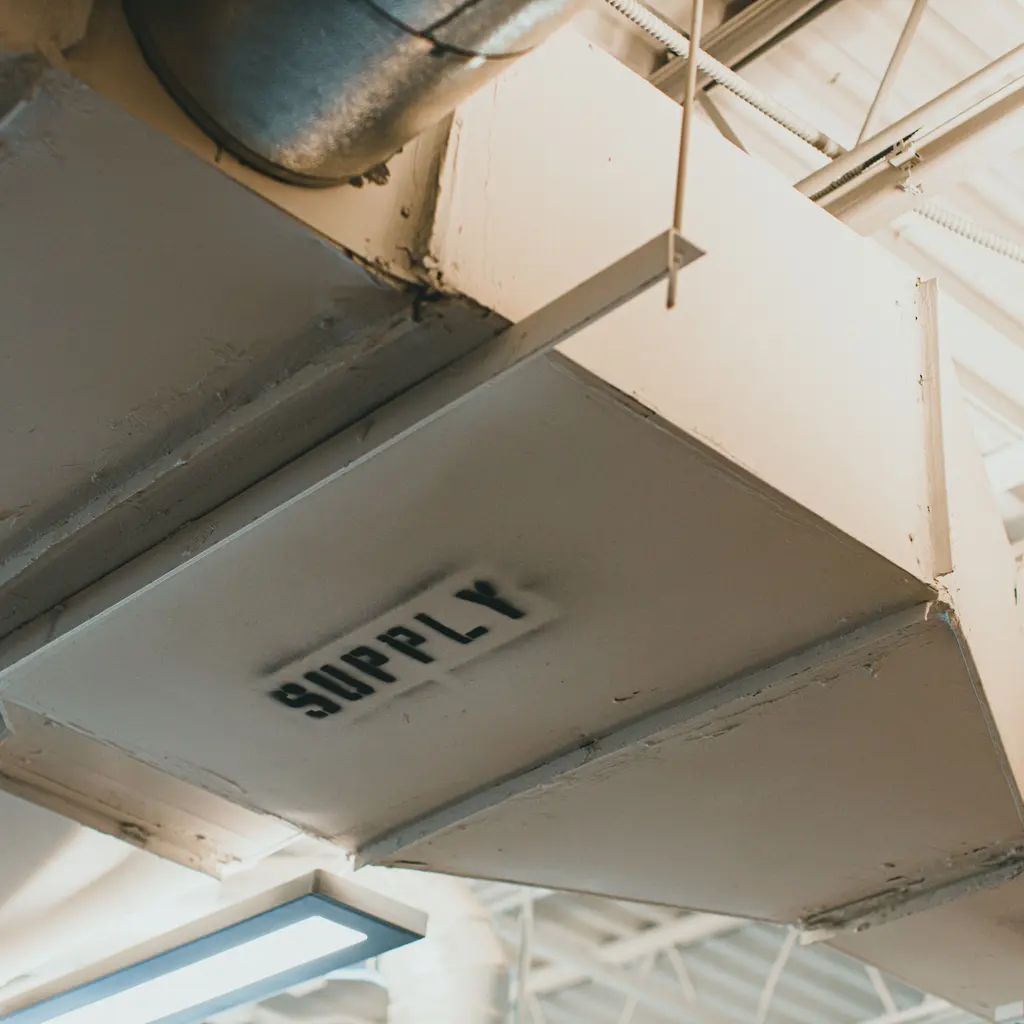
You move prefabricated ducts, flashing and panels through tight mechanical spaces or onto rooftops, then lift and fasten them around other trades' finished work. Sharp edges and overhead loads expose crews to injury, while a slipped panel or faulty connection can harm property beyond the assembly itself.
The Southern Agency can help you evaluate your site-specific installation risks to help you choose appropriate insurance. For example, we can assist in understanding how builders risk coverage applies to materials staged at a jobsite versus your liability for damage to other trades' work.
Hanging duct and panels from lifts and ladders exposes installers to serious fall hazards on active sites.
Heavy metal handled overhead can fall and injure workers below or damage finished work in the area.
Maneuvering sharp, heavy assemblies in mechanical rooms drives laceration, crush, and back injuries.
Poorly sealed or misaligned connections can cause leaks and airflow issues, leading to callbacks, and liability.
Working alongside HVAC, framing, and roofing crews raises the risk of damaging their completed installations.
Prefabricated assemblies, cutting tools, and fasteners staged on site can be damaged, lost, or stolen.
Policies to ask about. Which ones fit depends on your operations, your contracts, and the carrier’s forms.
Ready to compare options?
Get a quote for Sheet Metal Work Installation Contractor Or call 1-800-777-1TSAThese hypothetical examples are not agency claim results. Whether a loss is covered depends on the facts, policy terms, and applicable exclusions.
Hypothetical: a worker falls from a platform while hanging ductwork. Workers' compensation may provide qualifying benefits under actual employment and state law. Establish direct/subcontract roles; lift damage, another trade's injury and approval of access arrangements are separate questions.
Hypothetical: a panel slips and damages another trade's finished installation below. GL may address covered resulting harm under actual custody and work-property terms. Record what was being handled and damaged; replacing the lifted panel, repairing the lift and project delay need separate review.
A poorly sealed connection causes a leak discovered after occupancy. Identify whether the demand is only to seal or redo the connection or also alleges injury or damage to other property. Review the completed work, damage, and claim dates and the policy terms; the leak and its discovery after occupancy do not alone establish a covered completed-operations loss.
Start with the work you do and the questions your current policies leave unanswered. Carrier options depend on your location, risk, and underwriting. Explore our approach.
Field installation emphasizes site liability, overhead work, and tools moving between projects. A firm that also fabricates needs to disclose its shop machinery, stock, and products as well. These activities can overlap in one business; the insurance discussion should follow the operations, not assume the page label excludes fabrication.
Responsibility depends on the work, agreements, and facts. General liability may respond to covered damage to other property, but check exclusions for the particular property being worked on and property in your custody. Damaging another trade’s installation does not by itself establish that every repair cost is payable.
A leak found after occupancy can lead to a claim, but distinguish correcting the connection or poor airflow from injury or resulting damage to other property. Review the completed work, when damage occurred, the claim date, and the policy terms. Occupancy or late discovery alone is not the coverage trigger.
Inland marine may help cover cutting, fastening, and lifting tools that move between projects and can be damaged, lost, or stolen, depending on the policy and valuation chosen.
Most states require it for employees, and overhead installation carries real fall exposure. Requirements vary by state, so confirmation depends on where your crews operate.
Check who is responsible for insuring project materials and installed work, whether under an owner’s builders-risk policy or another property arrangement. Confirm your interest, staged assemblies, covered causes, and the end of coverage before relying on that policy. General liability and tools coverage are not substitutes for every project-property loss.
Bring your questions, current policies, and relevant contracts. An agent can review coverage terms, exclusions, and the information carriers ask for, then explain the options available to you.