

Hot-work fires and explosions
Sparks, slag, and open flame can ignite combustible materials, fuel vapors, or dust, causing fires that spread beyond the immediate work zone.
Try a different word, or check the spelling.
A weld made in your shop may later carry a load at the customer's site. Protection for your fabrication equipment and liability for completed joints answer different insurance needs.
The Southern Agency can help you review your welding and fabrication risks to secure appropriate insurance coverage.
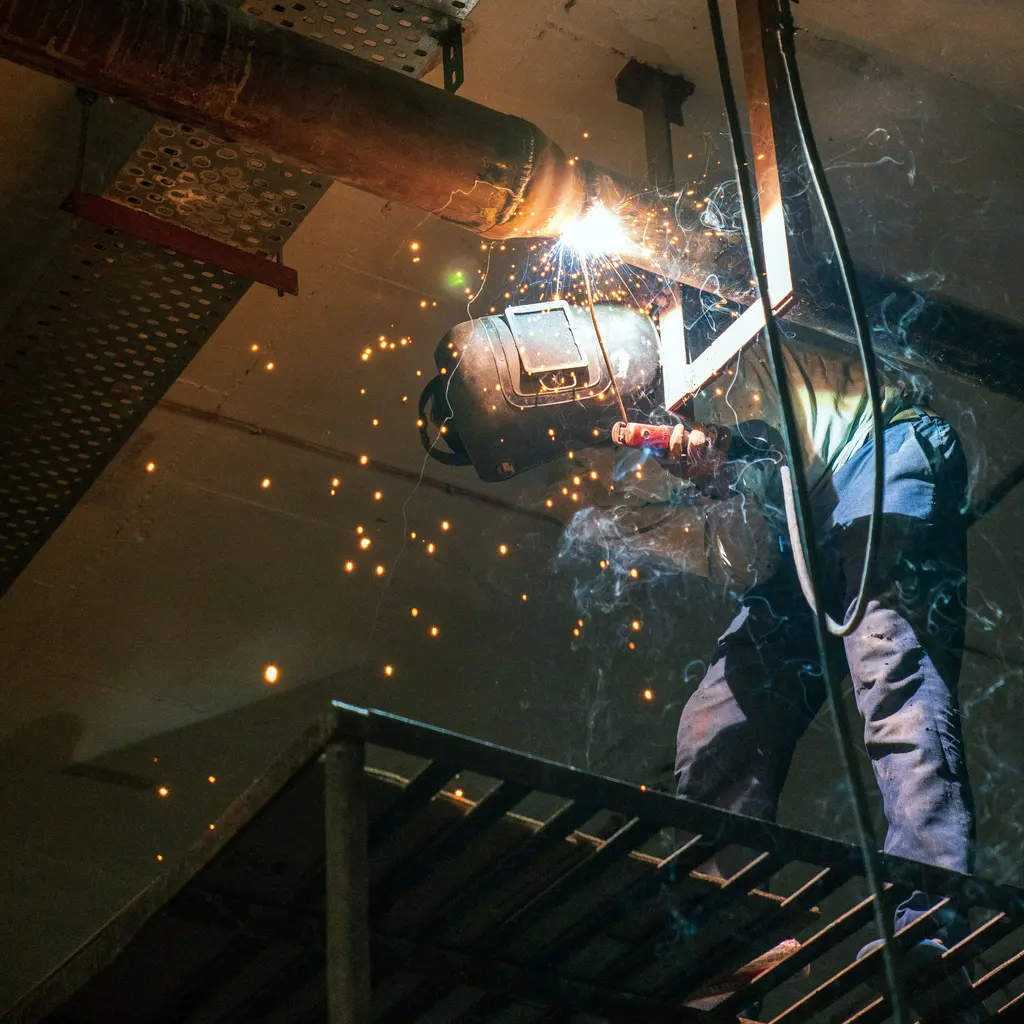
You perform welding in shops or at customer sites, where sparks can cause hot-work fires and structural joints may fail. These operations present specific fire and liability risks that need to be addressed alongside protection for your fabrication equipment.
The Southern Agency can review your welding processes and shop operations to help you select appropriate insurance. We can assist you in evaluating how liability coverage for fire damage interacts with the property insurance for your welders and tools.
Sparks, slag, and open flame can ignite combustible materials, fuel vapors, or dust, causing fires that spread beyond the immediate work zone.
Molten spatter and slag can scorch finishes, glass, vehicles, and adjacent equipment, leading to third-party property damage claims.
Welders face severe burns, ultraviolet arc-flash eye damage, and electric shock, driving workers' compensation and injury exposure.
Welding fumes and gases create respiratory hazards, and work in tanks or confined spaces raises asphyxiation and rescue concerns.
A defective joint or structural weld discovered after the job closes can cause failures, property damage, or injury long after work ends.
Portable welders, generators, gas cylinders, and tools are moved between sites and can be damaged, lost, or stolen in transit.
Welding on structural steel, towers, and elevated platforms exposes crews to fall hazards governed by strict safety requirements.
Policies to ask about. Which ones fit depends on your operations, your contracts, and the carrier’s forms.
These hypothetical examples are not agency claim results. Whether a loss is covered depends on the facts, policy terms, and applicable exclusions.
Hypothetical: slag from overhead welding ignites stored material and fire damages the customer's structure. GL may address covered resulting harm under actual field duties, hot-work conditions and work-property terms. Preserve cause and fire-watch records; a permit or accepted shop welding does not establish every site operation is included.
Hypothetical: a trailer-mounted welder and cylinders are stolen overnight. Equipment terms may address covered theft under actual ownership, values, mounted-property definitions and security conditions. Compare trailer/vehicle cover separately; a truck policy or portable-tool schedule does not automatically include the whole rig or lost work.
Hypothetical: a structural weld fails after handoff and damages adjacent property. GL may address covered resulting harm under actual accepted structural, products/completed-work and work-property terms. Keep fabrication, inspection and damage dates; redoing the weld, retesting and a performance promise are separate from that harm.
Start with the work you do and the questions your current policies leave unanswered. Carrier options depend on your location, risk, and underwriting. Explore our approach.
Insurers look at the processes and metals used, shop and field locations, structural or pressure work, fire controls and prior losses. The share of higher-hazard work and the quality of the safety program also matter, so explain the work rather than relying on the business name.
It may help pay for fire damage to someone else's property if the welding work and cause are covered. Check exclusions and conditions for combustible protection and any fire watch after work ends. A site permit is not confirmation of insurance coverage.
Equipment insurance may help repair or replace insured portable welders and tools after covered damage or theft. Mounted machinery and the truck or trailer may have different terms, so compare the equipment and vehicle schedules, values, deductibles, and transit or storage conditions.
General liability's products-completed-operations coverage may help with resulting injury or damage to other property. The work covered, cause, exclusions and policy dates matter. Redoing the weld, inspection bills and performance guarantees are separate from resulting harm, and discovery of a fault alone does not determine which policy applies.
It may help pay medical and wage benefits for qualifying employees injured by burns, arc flash or falls. Check the rules in the states where the crew works and the employment arrangements to determine your obligations.
A client may ask for a certificate, limits and endorsements before hot work begins. Compare the written contract with the policy and any required additional-insured endorsement before accepting the job. A certificate cannot add coverage, and the site permit is a separate requirement.
Bring your questions, current policies, and relevant contracts. An agent can review coverage terms, exclusions, and the information carriers ask for, then explain the options available to you.