

Damage inside occupied homes
Running low-voltage cable through finished walls and ceilings can damage drywall, trim, flooring, or expensive furnishings during installation.
Try a different word, or check the spelling.
The system you hand over may connect cameras, locks, and cloud accounts under one customer's roof. Programming liability and data protection need attention alongside physical installation damage.
The Southern Agency can help you address both the physical and digital risks associated with smart home integration work.
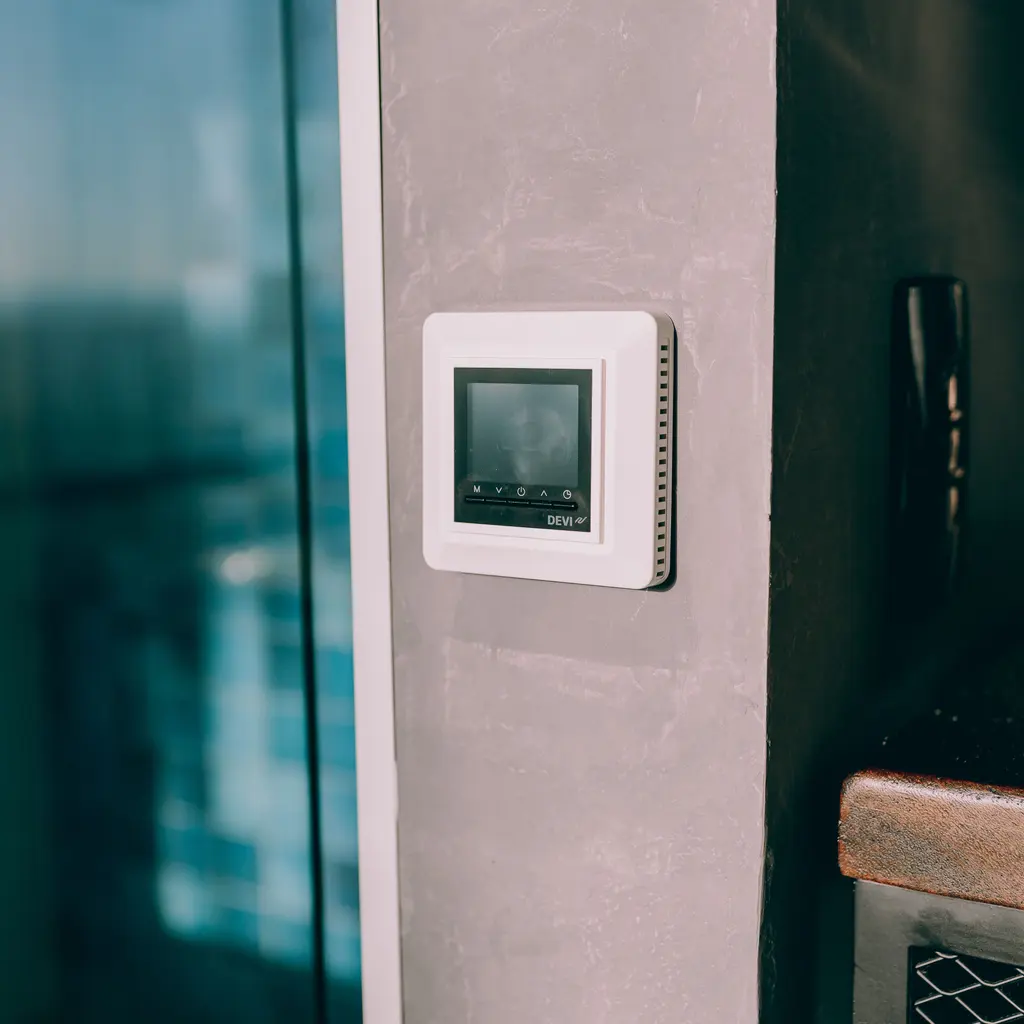
You integrate and program automation, security and network systems inside occupied homes, often involving delicate physical installation and software configuration. A system malfunction or a cybersecurity breach can lead to disputes regarding your professional performance or the safety of the client's network.
The Southern Agency can help you evaluate your installation and integration services to help you select appropriate insurance. We can discuss how to protect your business against allegations of professional errors, cyber-related liabilities, and physical damage to a client’s home.
Running low-voltage cable through finished walls and ceilings can damage drywall, trim, flooring, or expensive furnishings during installation.
A poorly specified or misconfigured automation, network, or security system may fail to perform as promised, leading to professional liability claims.
Cameras, networks, and cloud accounts the contractor sets up can be breached, exposing footage or personal data and creating liability.
When clients depend on installed alarms or access control for protection, a failure during a loss event can prompt allegations against the integrator.
Programmers, controllers, test gear, and device inventory carried in vans are valuable and vulnerable to theft and damage.
Ladders, tools, and trip hazards inside homes can injure residents, guests, or pets present during the installation.
Policies to ask about. Which ones fit depends on your operations, your contracts, and the carrier’s forms.
These hypothetical examples are not agency claim results. Whether a loss is covered depends on the facts, policy terms, and applicable exclusions.
An attacker accesses a client’s installed camera network and exposes footage. Review the contractor’s role, alleged security error, and responsibility for the affected accounts. Privacy or security liability and customer-response obligations need specific policy review; the contractor’s own breach-response coverage does not automatically pay the client’s notification or recovery costs.
A whole-home automation system repeatedly malfunctions and the client alleges the design was deficient. Professional liability may help with a covered allegation involving the services defined in the policy. Distinguish the alleged error and financial loss from a demand simply to replace equipment or honor a performance guarantee, and check the applicable dates and reporting terms.
Hypothetical: a dropped tool gouges a homeowner's hardwood floor while you install a controller. GL may address covered resulting damage under actual work-property and custody terms. Identify what was being worked on; the controller, neighboring finish and your own tool are different interests.
Start with the work you do and the questions your current policies leave unanswered. Carrier options depend on your location, risk, and underwriting. Explore our approach.
Design, programming and integration can generate allegations of negligent technology services even without physical damage. Check that the policy’s service definition includes the work you perform and review reporting and prior-work terms. Professional liability is not an automatic guarantee that every system will perform as promised or that all replacement costs are insured.
Connecting cameras and networks or retaining client credentials can expose your firm to privacy and security claims. Review your own incident-response needs separately from liability for a client’s system and any contractual duty to pay the client’s costs. A cloud vendor’s involvement does not establish whose policy responds.
General liability may help with covered property damage during installation. Check the particular property being worked on and any care, custody or control exclusions; the client’s finished floor, the device being installed and your own tools are different interests. Fault and the amount payable depend on the facts and terms.
List portable programmers and test gear separately from devices held for sale or owned by a client. Review the insured property, values, theft conditions, and transit or overnight storage terms. A tools schedule does not automatically include every controller or customer device in a van.
A client may allege that a faulty installation or configuration contributed to a theft or other loss. Responsibility depends on the contract and facts. Review the covered services and security-system exclusions under the applicable liability or professional terms; the failure itself is not proof that the client’s stolen property or every reliance claim is insured.
Ask for the builder’s or customer’s written requirements and identify the requested insured parties, limits, and endorsements. Compare those with the policies before work starts. A certificate does not add rights or guarantee compliance, and requested coverage is not assured merely because it appears in the contract.
Bring your questions, current policies, and relevant contracts. An agent can review coverage terms, exclusions, and the information carriers ask for, then explain the options available to you.