

Heavy-material handling injuries
Lifting and setting heavy stone exposes masons to back strains, hernias, and crush injuries to hands and feet.
Try a different word, or check the spelling.
The stone you set can remain on a facade long after the scaffolding is gone. Liability for the anchors and moisture details needs attention separately from protecting the stone stock and tools used during the job.
The Southern Agency can help you protect your business through appropriate coverage for both active job sites and finished masonry work.
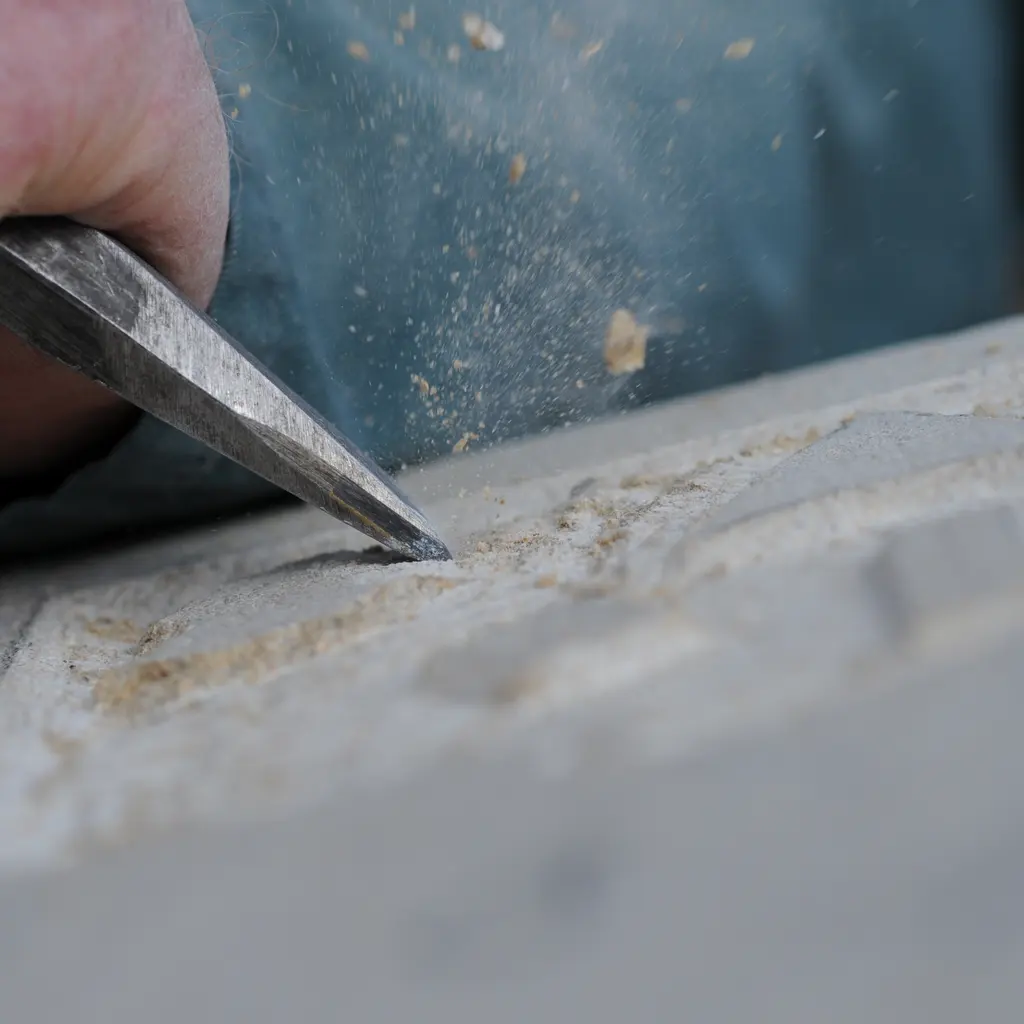
You handle heavy materials and perform scaffold work to set stone, which poses risks ranging from workplace strains to long-term issues like moisture intrusion behind finished veneers. If an anchored stone detaches years later, you may be held responsible for the resulting property damage.
The Southern Agency can review your handling and installation processes to help you select appropriate insurance. For example, we can discuss how inland marine coverage may protect your saws and lifts at a job site, separate from the completed-operations coverage for your masonry work.
Lifting and setting heavy stone exposes masons to back strains, hernias, and crush injuries to hands and feet.
Working at height on facades, chimneys, and walls creates serious fall exposure for stonemason crews.
Sawing and grinding stone releases crystalline silica, a regulated health hazard for workers and nearby people.
Improperly anchored stone or failed flashing can detach or allow water intrusion, leading to completed-operations claims.
Stone or tools dropped from height can injure people below or damage property at the jobsite.
Saws, lifts, scaffolding, and stone inventory are valuable and prone to theft and damage on site and in transit.
Policies to ask about. Which ones fit depends on your operations, your contracts, and the carrier’s forms.
These hypothetical examples are not agency claim results. Whether a loss is covered depends on the facts, policy terms, and applicable exclusions.
Manufactured stone veneer on a facade begins detaching two years after installation, and the owner alleges faulty anchoring. Determine whether the demand only replaces the veneer or also alleges injury or damage to other property. Review the anchoring work, relevant dates, and completed-operations terms; later detachment alone does not establish an insured loss.
A mason falls from scaffolding while setting chimney stone. Workers' compensation may help with medical costs and lost wages, subject to the specific policy.
A stone slips from a lift and damages a parked vehicle below. General liability may respond to the property damage, depending on policy terms.
Start with the work you do and the questions your current policies leave unanswered. Carrier options depend on your location, risk, and underwriting. Explore our approach.
Review liability for site and completed work, employee injuries, trucks, and mobile equipment. Stone stock, silica wording and any requested bond need separate attention. The mix follows your materials, heights and responsibilities, not a standard package for every mason.
General liability may help with covered injury or resulting damage, but replacing defective stonework or correcting flashing is a different issue. Keep the installation, damage and claim dates and check veneer, water, and completed-operations exclusions.
Review the silica and health-hazard terms for the stone products and cutting tasks involved. Worker illness and claims by bystanders need separate consideration. Exposure controls do not by themselves remove an exclusion or establish coverage.
Inland marine commonly covers saws, lifts, and scaffolding against theft and damage on site and in transit, subject to scheduled values and policy terms.
Obtain the project or licensing authority’s actual bond request. Identify whether it concerns bidding, performance, payment, or another obligation and who is protected. Approval is separate from liability insurance; available surety capacity is not established by the trade name.
Ask for the subcontract’s limits, insured parties, and ongoing or completed-operations endorsements before work starts. Compare those with the policies. A certificate does not add coverage, and requested wording is not proof that it is available.
Bring your questions, current policies, and relevant contracts. An agent can review coverage terms, exclusions, and the information carriers ask for, then explain the options available to you.