

Work-zone traffic accidents
Crews working beside live traffic face struck-by injuries, and motorists entering work zones can be involved in serious accidents.
Try a different word, or check the spelling.
Your base, materials and unfinished pavement may stay exposed through months of work before acceptance. Property and equipment protection needs its own consideration, apart from liability to people using the corridor.
The Southern Agency can help you identify coverage that addresses the specific hazards of working in active traffic zones.
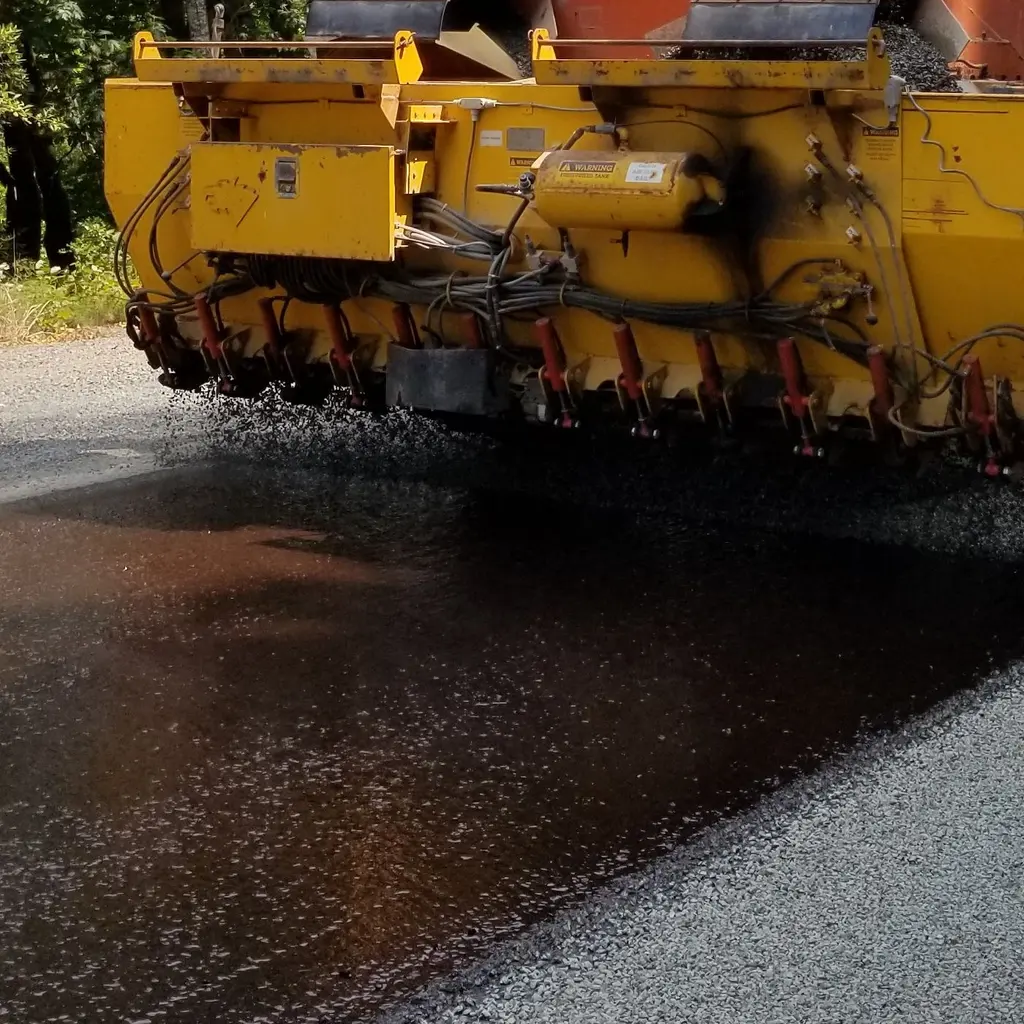
You operate in active traffic corridors, where grading, paving and equipment use put your crew and the public at risk of collision or injury. Any delay or incident in a work zone can result in liability claims or contractual penalties.
The Southern Agency can review your site management and traffic-control practices to help you select appropriate insurance. For example, we can discuss how inland marine insurance may cover your pavers and rollers while they are stored or moved between sites, separate from the general liability coverage for the road zone itself.
Crews working beside live traffic face struck-by injuries, and motorists entering work zones can be involved in serious accidents.
Graders, pavers, rollers, and haul trucks create rollover, struck-by, and backing-injury exposure on active roadway sites.
Paving with hot mix exposes workers to severe burns and creates fume and material-handling hazards.
Grading, drainage, and utility relocation can strike buried lines or cause trench cave-ins, leading to costly claims.
A public or private contract may specify bid, performance, or payment bonds and insurance limits. Review the actual requirements rather than assuming most road work has the same bond obligation.
Spills of fuel, oil, or asphalt products on roadway sites can trigger cleanup obligations and environmental claims.
Multi-month projects leave base, paving, and materials exposed to weather and damage before owner acceptance.
Policies to ask about. Which ones fit depends on your operations, your contracts, and the carrier’s forms.
Ready to compare options?
Get a quote for Street or Road Construction Contractor Or call 1-800-777-1TSAThese hypothetical examples are not agency claim results. Whether a loss is covered depends on the facts, policy terms, and applicable exclusions.
A motorist enters a coned-off work zone and strikes equipment, injuring a worker. Identify the worker’s employer and equipment owner. Workers’ compensation benefits, any liability claim against a responsible party and damage to the contractor’s own equipment require separate review.
Hypothetical: a tank ruptures and releases diesel along a roadway shoulder. Environmental terms may address covered cleanup under the actual substance, site/transport duties and reporting conditions. Tank repair, lost fuel, third-party damage and prior contamination need separate review; not every fine or order is insured.
A subcontractor fails to complete its scope, jeopardizing the schedule. Determine whether that subcontractor provided a performance bond, who the obligee is and what notice or default conditions apply. The prime contractor’s bond to the owner does not automatically reimburse the prime for every subcontractor failure.
Start with the work you do and the questions your current policies leave unanswered. Carrier options depend on your location, risk, and underwriting. Explore our approach.
Review liability for the public, employee injuries, haul-truck use, and mobile equipment. Fuel or asphalt handling and excess limits need separate attention to the terms. Any requested bonds address contractual obligations rather than forming part of an accident-insurance package.
A road contract may request bid, performance, or payment bonds. Obtain the terms and identify the principal and obligee; the prime’s bond and a subcontractor’s bond protect different obligations. Approval depends on the contractor and obligation; requesting a bond does not establish available capacity.
Determine who was injured, who owns damaged property and what responsibility is alleged. Worker benefits, liability to motorists or other parties, truck damage and equipment loss are different questions. A motorist entering the zone does not itself establish contractor fault or a GL payment.
Review the substance, release, site, and transport operations under the environmental form, including notice and reporting requirements. Damage to the spilled load, third-party injury, or property damage and cleanup are separate costs; the policy label does not establish every spill is included.
Inland marine commonly covers graders, pavers, and rollers against theft and damage on and between sites, subject to scheduled values and policy terms.
Obtain the public owner’s bid and contract requirements, including limits, insured parties, endorsements, and any bonds. Compare those with the proposed policies. Certificates do not create coverage, and the requested terms are not automatically available.
Bring your questions, current policies, and relevant contracts. An agent can review coverage terms, exclusions, and the information carriers ask for, then explain the options available to you.