

Moisture intrusion and mold
Failed flashing or weep screeds can trap water behind stucco, causing rot, mold, and structural damage that surfaces years later.
Try a different word, or check the spelling.
Before your finish is visible, its substrate, mix, and curing conditions already matter. Liability for resulting damage is different from paying to correct cracking or a failed finish.
The Southern Agency can help you navigate the specific risks of moisture-sensitive finishes and long-term project liability.
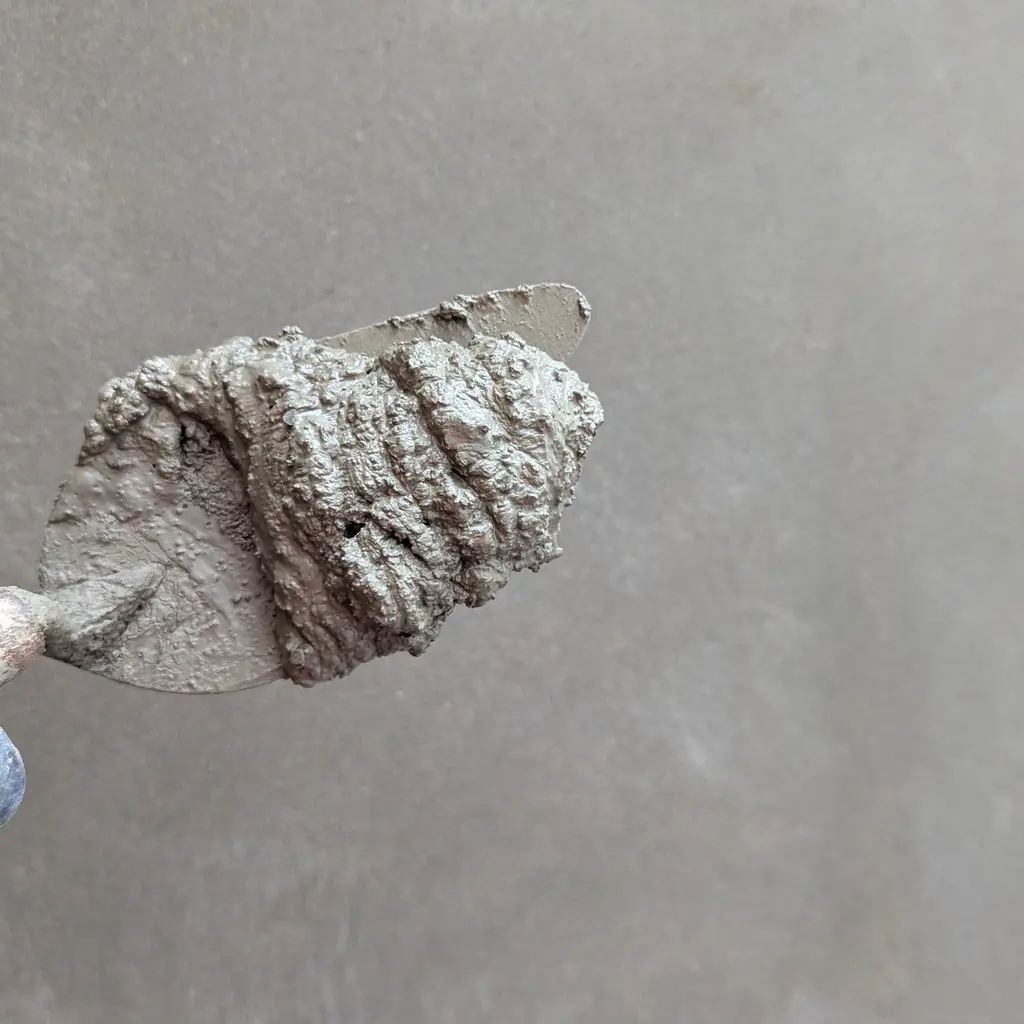
You apply finish systems that are highly sensitive to moisture, where improper flashing or drainage can cause hidden mold and damage to a building years later. If an occupant discovers leaks behind the stucco, you may face complex completed-operations claims.
The Southern Agency can review your stucco assemblies, substrate and flashing responsibilities, and installation records to help you choose insurance. We can check system-specific and water exclusions on primary and excess policies, keeping correction of the finish separate from resulting framing damage or mold claims.
Failed flashing or weep screeds can trap water behind stucco, causing rot, mold, and structural damage that surfaces years later.
Improper mixing, curing, or substrate prep can cause cracking or finish failures that lead to rework and damage claims.
Applying stucco across full facades from scaffolding and lifts exposes crews to serious fall injuries.
Spraying and mixing cement can drift onto adjacent vehicles, landscaping, and surfaces and release dust affecting nearby people.
Mixing and cutting cementitious products can release respirable silica, a regulated health hazard for crews.
Mixers, sprayers, scaffolding, and stockpiled material are valuable and exposed to theft and damage on site and in transit.
Policies to ask about. Which ones fit depends on your operations, your contracts, and the carrier’s forms.
These hypothetical examples are not agency claim results. Whether a loss is covered depends on the facts, policy terms, and applicable exclusions.
Trapped moisture behind a stucco wall causes rot and mold discovered three years after completion. General liability completed-operations coverage may respond, depending on policy terms and the facts.
Wind carries stucco spray onto cars parked near a jobsite. General liability may respond to cleanup or repair, depending on policy terms and the circumstances.
A plasterer falls from scaffolding while finishing a second-story facade. Workers' compensation may help with medical costs and lost wages, subject to the specific policy.
Start with the work you do and the questions your current policies leave unanswered. Carrier options depend on your location, risk, and underwriting. Explore our approach.
Review site and completed-work liability, employee injuries, mobile equipment and vehicles. Give the insurer the actual stucco systems, building heights and moisture-detailing duties. A small-firm package or higher liability limit does not automatically accept synthetic systems or every water claim.
General liability may help with covered resulting damage, such as framing or interior harm, but the water, mold, system, and completed-operations terms matter. Replacing defective stucco or correcting flashing is a separate issue. Later discovery does not alone establish which policy responds.
Disclose the manufacturer and assembly, including any EIFS work, rather than relying on the word stucco. Review the actual exclusions or amendments on primary and excess policies. Correct drainage details do not by themselves remove a system exclusion.
Inland marine commonly covers mixers, sprayers, and scaffolding against theft and damage on site and in transit, subject to scheduled values and policy terms.
General liability may respond to overspray that damages nearby property such as vehicles, depending on policy terms and the circumstances.
Obtain the builder’s written limits, insured parties, and ongoing or completed-operations endorsements. Compare those with the policies before work begins. A certificate does not create coverage or assure that the requested wording is available.
Bring your questions, current policies, and relevant contracts. An agent can review coverage terms, exclusions, and the information carriers ask for, then explain the options available to you.