

Ground collapse and tunnel face failure
Unstable ground or water inrush can collapse the tunnel face, endangering crews and stalling the project.
Try a different word, or check the spelling.
Repairing your boring machine underground can involve access and recovery work as well as a replacement part. Machinery protection needs a closer look than the purchase value alone, with the tunnel works considered separately.
The Southern Agency can help you review your tunneling machinery and operational risks to find appropriate insurance.
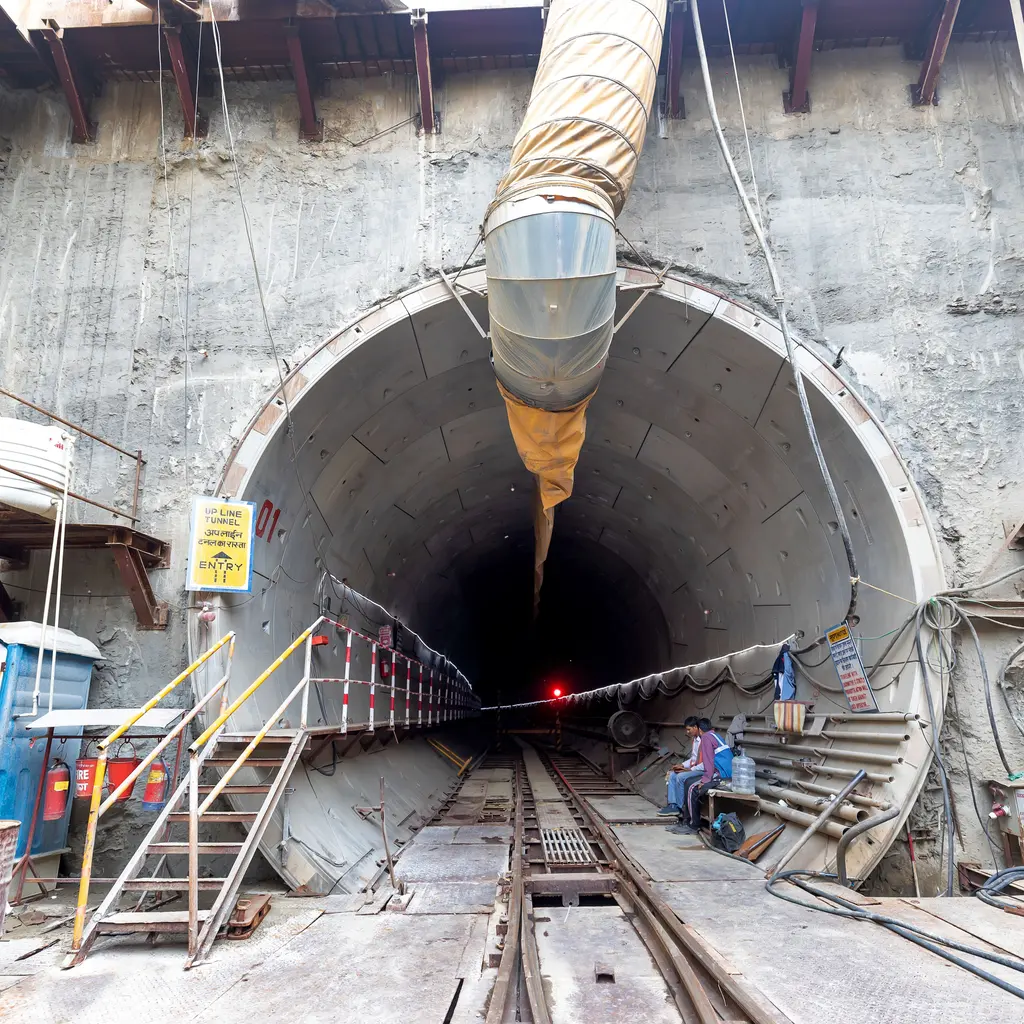
You operate large-scale boring machinery to excavate and line underground passages, where a motor failure or groundwater flooding can halt production. Such delays and accidents can lead to significant physical losses or injury claims.
The Southern Agency can review your equipment fleet and tunneling processes to help you select appropriate insurance. We can, for example, clarify how equipment breakdown coverage may assist with machine failure while distinguishing this from liability claims arising from the job site.
Unstable ground or water inrush can collapse the tunnel face, endangering crews and stalling the project.
Settlement along the tunnel path can crack buildings, roads, and utilities at the surface, driving third-party claims.
A stalled or damaged tunnel boring machine can halt production and require expensive underground repair or recovery.
Gases, ventilation failure, and limited egress expose crews to asphyxiation, fire, and serious injury underground.
Groundwater intrusion can flood the bore and complicate dewatering, threatening both crews and equipment.
Excavating and dewatering through contaminated ground can mobilize pollutants requiring containment and cleanup.
Owners may allocate responsibility for the tunnel works, boring machines, third-party liabilities, and bonds differently. A contract requirement is not proof that a policy covers the underground operation.
Policies to ask about. Which ones fit depends on your operations, your contracts, and the carrier’s forms.
These hypothetical examples are not agency claim results. Whether a loss is covered depends on the facts, policy terms, and applicable exclusions.
Settlement above an active bore cracks a structure at street level. General liability may respond to third-party repair claims, depending on policy terms and the facts of the incident.
Hypothetical: A drive motor on a tunnel boring machine fails mid-bore, halting work. Breakdown coverage may help repair the motor if it accepts that mobile machine, component and cause. Check any machinery inclusion in the project policy too. Underground access, recovery, and lost production need separate review; motor failure does not establish coverage for all those costs.
Hypothetical: Groundwater floods a section of completed tunnel that remains part of the construction project. Builders risk may help with covered damage to the insured works, subject to underground construction and groundwater terms and the section's construction or handoff stage. Pumping costs, defective-work correction and schedule penalties are separate from that physical-damage question.
Start with the work you do and the questions your current policies leave unanswered. Carrier options depend on your location, risk, and underwriting. Explore our approach.
Underground access, ground movement and water can turn an ordinary repair into a difficult recovery job. The crew, machinery, unfinished works, and surface property can all suffer losses, but they are not necessarily insured by the same policy. Explain the methods and ground conditions and agree who insures each part.
Breakdown coverage may help repair a failed motor or component if the machine and cause are covered. Check both equipment insurance and any machinery included in the project policy. Wear, stuck tooling, recovery, and lost production are separate from the repair itself.
Liability coverage may help with covered repair claims for surface buildings or utilities damaged by settlement. Keep ground-condition, work and damage records and check subsidence, underground, collapse and vibration terms. Stabilizing or redoing the tunnel is separate from damage to someone else's property.
It should match the owner's agreement about the tunnel works, materials and any included machinery, through the relevant construction and handoff stages. Confirm underground construction, water-inrush, collapse, and defective-work terms. Physical-damage coverage is not automatically protection for every project delay.
Excavation and dewatering can move contaminants into water or other property. Environmental insurance may help with covered claims or cleanup, depending on known conditions, pollutants, discharge and disposal work, and reporting terms. Routine pumping or disposal costs and a regulatory demand need to be assessed separately.
Check the bid, owner agreement, and applicable public-work rules for the bond requested. Performance bonds support completion duties; payment bonds support payment to eligible suppliers and subcontractors. Both require surety approval and are separate from insurance for machinery or the works and from delay charges.
Bring your questions, current policies, and relevant contracts. An agent can review coverage terms, exclusions, and the information carriers ask for, then explain the options available to you.