Skip to content

Ethanol Pipeline Insurance

Your pump station is one location; the ethanol line may cross properties and waterways beyond it. Protection for declared station assets should not be mistaken for route-wide repair, release or lost-throughput coverage.

The Southern Agency can review the route, product custody and station interests you need to insure.

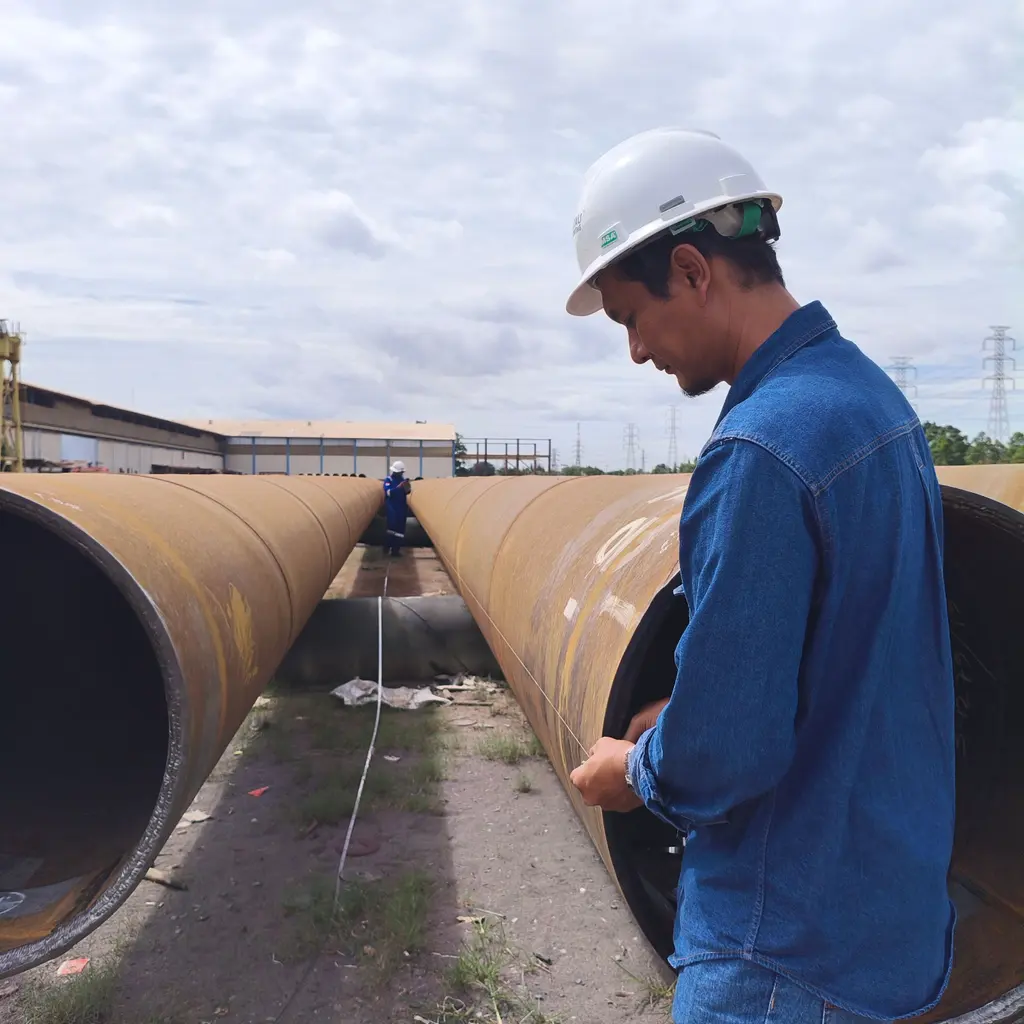
A worker measuring a large steel pipe section with a tape.

Industry overview

You transport denatured ethanol through pipelines, managing pump stations and leak detection across varied terrain. A stress-corrosion crack or excavation strike can release fuel and lead to environmental, remediation, and shipping losses.

The Southern Agency can review your route, transported fuel and operating duties alongside current policies. We can help distinguish station and line damage from release cleanup, product in custody and your own lost transportation earnings.

Risks worth discussing

Stress-corrosion cracking and seam failure

Some fuel-grade ethanol service can present stress-corrosion cracking concerns in steel. Fuel chemistry, contaminants, materials, and stress conditions matter. A crack or seam failure can leave pipe-repair costs and release product; it does not establish an insured corrosion repair.

Third-party excavation strikes

Contractors and farmers digging near buried right-of-way can puncture the line, causing releases, fire risk, and service interruption.

Soil and groundwater contamination

Ethanol's ability to mix with water raises groundwater and surface-water contamination questions after a release. Product composition, released volume and the actual pathway affect investigation and remediation needs; solubility alone does not establish plume speed, distance or natural-resource injury.

Pump station fire and breakdown

Motors, pumps, and metering equipment at stations can fail or ignite a flammable product, halting throughput and damaging facilities.

Field crew injuries during integrity work

Excavation, confined-space entry, and repair work along the line expose maintenance crews to trench collapse, lifting, and exposure hazards.

Service interruption to shippers

A forced shutdown for repair or investigation can interrupt committed throughput, triggering contract and lost-revenue concerns.

Coverage worth discussing

Policies to ask about. Which ones fit depends on your operations, your contracts, and the carrier’s forms.

Situations to think through

These hypothetical examples are not agency claim results. Whether a loss is covered depends on the facts, policy terms, and applicable exclusions.

  1. Hypothetical: Excavation strike on buried line

    A contractor punctures the buried pipe near the right-of-way and releases ethanol into a drainage ditch, leaving line-repair and containment costs. Environmental liability may pay covered release response and cleanup. GL may address covered third-party injury or property claims if such claims arise. Own-pipe repair, contractor responsibility and any recovery from another party need their separate facts and terms.

  2. Hypothetical: Slow seam leak into groundwater

    Inline inspection reveals a seam crack that allowed ethanol to migrate into shallow groundwater, generating investigation and remediation costs. Environmental liability may pay covered remediation under the insured route, condition and reporting terms. Discovery now does not establish when the leak began or remove prior-condition and retroactive-date limits. Repairing the cracked pipe is a separate property question.

  3. Hypothetical: Pump motor failure halts throughput

    A pump-station motor fails and stops peak-season deliveries, creating a repair bill and possible lost transportation earnings. Breakdown may pay covered repair if an insured mechanical or electrical failure caused the loss; wear alone is not that event. Applicable income terms may pay actual covered earnings loss during restoration, subject to their trigger, waiting and valuation rules. Undelivered volume and a shipper's delay claim are not automatically that income payment.

Before you talk to an agent

What to have ready

Tick items as you gather them. Nothing here is saved or sent.

Questions to raise

  • Document the transported fuel, denaturants, route, pipe age and materials, integrity program and leak-detection capability. For a slow seam leak, distinguish the condition's start, discovery, claim, and reporting dates. Sudden and gradual release wording must fit those facts; discovery of a crack does not establish payment for the pipe's deterioration or every prior release.
  • Identify land and water crossings and plausible release pathways. Separate containment and remediation from private damage claims, lost fuel, and any natural-resource assessment or restoration. Ethanol's water miscibility does not quantify a plume, establish resource injury or determine an insurance payment for the transported mixture.
  • Estimate repair and restart time for critical pumps, motors and controls, alternative capacity and the actual earnings at risk. An inspection shutdown, a precautionary closure, and an insured machinery failure can have different triggers. Throughput commitments and customer delay costs should be assessed separately from covered earnings and continuing expenses.
  • Use the requirements that apply to this route, jurisdiction and operation. Identify any requested insurance or financial-responsibility demonstration, its purpose, approved mechanism, and parties. A pollution certificate or excess limit does not itself establish compliance. Check the condition and required evidence with the responsible authority.

Contract terms to check

  • Throughput and transportation agreements should identify the accepted fuel, quality specifications, custody and loss transfer, measurement, release responsibility and delivery commitments. Separate damaged or lost shipper product, line repair, and third-party claims from promised delay or replacement-supply payments. An indemnity does not itself establish insurance for an assumed obligation.
  • Right-of-way and crossing agreements should identify access, excavation coordination, reporting, cleanup, and restoration duties for the actual locations. Do not presume identical insurance requests from every landowner or authority along the route.
  • Inspection, pigging, excavation and repair contracts should identify operator and contractor duties, supplied equipment, worker employers and any requested limits or insured parties. Compare policy provisions and endorsements; a certificate does not amend them or decide fault after a dig-in. Any permit, financing or financial-assurance condition needs verification against the evidence required by the responsible party.

What the agent conversation looks like

Start with the work you do and the questions your current policies leave unanswered. Carrier options depend on your location, risk, and underwriting. Explore our approach.

  1. ListenReview your operations, current coverage, and past claims.
  2. AssessIdentify potential hazards and discuss ways to reduce risk.
  3. BuildDiscuss policy and carrier options, premium costs, and audits.
  4. SupportReview changes and help you plan ahead as your needs develop.

Questions owners ask

Why does ethanol need different coverage than a crude line?

Ethanol is an alcohol that mixes readily with water, while denatured fuel also contains other components. Stress-corrosion cracking can also be a concern in steel, depending on the fuel and material conditions. Those facts justify identifying composition, integrity records, and release pathways; they do not establish that every ethanol spill travels farther than crude or that the same coverage is available for every line.

Does environmental coverage apply to gradual leaks?

Pollution wording can address gradual as well as sudden releases, but the actual grant and dates determine response. Identify the insured route and fuel, when the leak began and was discovered, any retroactive date or known condition, and the claim and reporting requirements. Covered remediation may be payable without the cracked pipe itself being insured for deterioration. Finding a leak during the policy period does not automatically bring its entire history into coverage.

Are third-party dig-ins covered?

A dig-in can create pipe-repair, pollution, and third-party claims. Environmental liability may pay covered cleanup; property may address insured own-line damage, and GL may pay covered third-party injury or property damages. Identify operator and contractor duties, the affected property, pollution terms, and any contract allocation. The excavator's involvement alone does not settle fault, release the operator from every duty or establish either party's payment.

What protects against a pump station shutdown?

Breakdown may pay qualifying pump, motor or metering repairs after an insured failure. Fire damage may instead involve property terms. Income protection needs its own trigger, earnings measure, waiting, and restoration provisions. Wear, a planned integrity shutdown or an order stopping deliveries is not by itself proof of insured income loss. A shipper's missed delivery and the operator's actual lost earnings remain different interests.

Do shippers require us to carry insurance?

The actual throughput or transportation agreement establishes any requested insurance evidence, limits, insured parties, and loss allocation. Compare those requests with the policy provisions and endorsements; a certificate does not expand them. Shipper-product custody, delay promises, and regulatory financial responsibility are separate questions. A contract request is not proof an insurer has agreed to cover the obligation, and this guide does not establish a program's availability or compliance.

Talk through your ethanol pipeline coverage

Bring your questions, current policies, and relevant contracts. An agent can review coverage terms, exclusions, and the information carriers ask for, then explain the options available to you.

How can we help you get started?

Choose the quote that fits, and we’ll take it from there.

Have a question? Contact us