

Fuel released along the route
A rupture can cause fire, cleanup, and third-party physical damage.
Try a different word, or check the spelling.
A batch interface can affect what your downstream customer receives, not just the volume delivered. Product and custody liability need to fit the fuels involved, including aviation-related terms if you carry jet fuel.
The Southern Agency can review batch-handling duties, custody changes and the downstream uses of the fuels you carry.
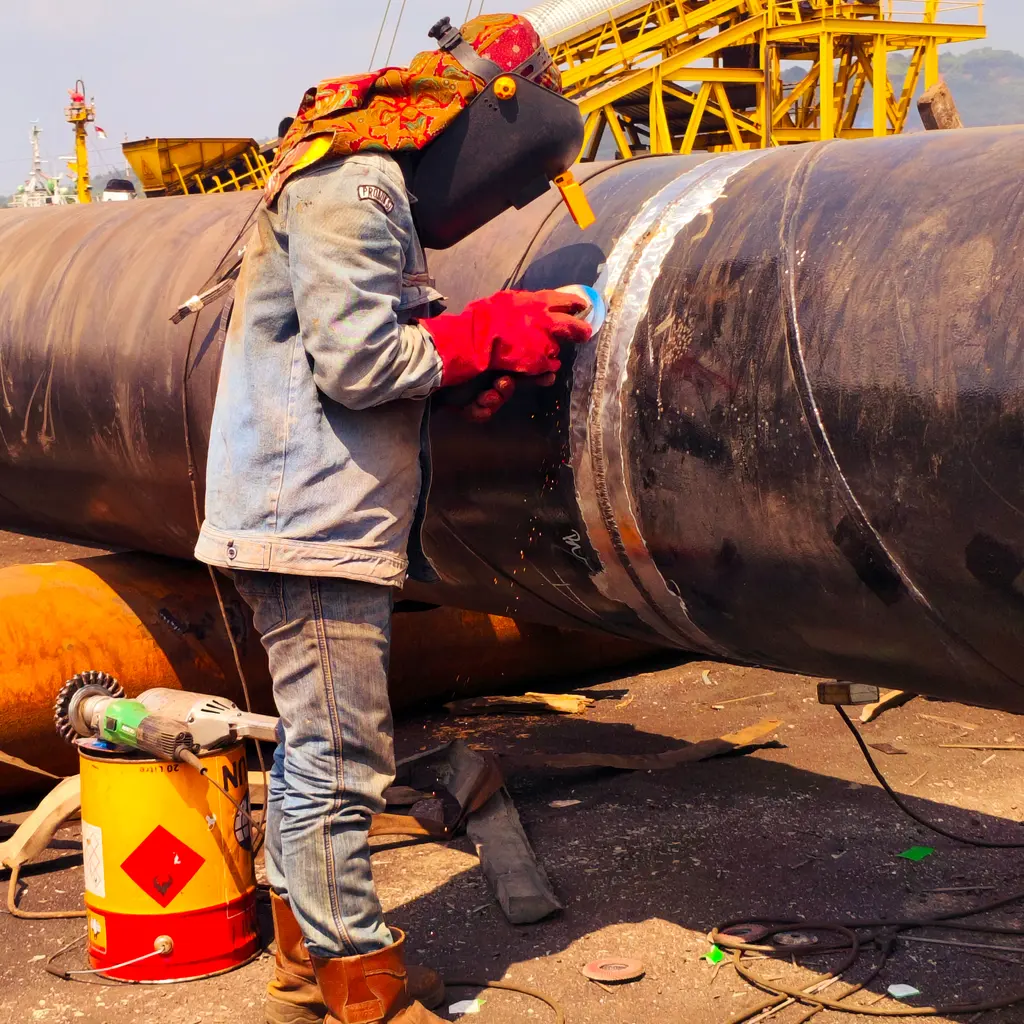
You transport finished fuels like gasoline or diesel through pipelines, managing batch interfaces to keep products within specification. An interface error can send the wrong product downstream, while a leak can cause environmental damage.
The Southern Agency can review the fuels you carry, customer uses and where custody changes. We can help compare accepted pipeline, product and pollution terms, keeping replacement batches and contract promises separate from resulting physical-damage claims.
A rupture can cause fire, cleanup, and third-party physical damage.
Transmix or contamination can create product replacement and quality disputes.
Off-spec jet fuel can prompt serious damage allegations; aviation-related exclusions need attention.
Machinery and control faults can interrupt deliveries and transport income.
Policies to ask about. Which ones fit depends on your operations, your contracts, and the carrier’s forms.
These hypothetical examples are not agency claim results. Whether a loss is covered depends on the facts, policy terms, and applicable exclusions.
Gasoline escapes a buried segment into surrounding soil, leaving investigation and cleanup costs. Environmental terms may help pay covered response, remediation and third-party claims if the fuel, route and operator's duties fit. Check earlier conditions, discovery and reporting. Own-line repair, lost fuel and delayed batches need their own terms, and the soil release alone does not establish groundwater impact.
A customer alleges off-spec jet fuel delivered through the line damaged an aircraft engine. Suitable liability terms may help pay covered defense and damages, with the actual aviation/product scope, custody and cause checked. Engine damage is not proved by a failed specification test, and replacing the batch, withdrawal costs or quality guarantees are separate interests.
Unauthorized access disrupts batch sequencing and deliveries stop for investigation. Cyber may help pay covered response, system recovery or interruption when the actual control system and event fit. Identify whether any product was mixed or caused damage; intrusion alone does not prove those consequences. Applicable waiting and restoration terms, customer delay demands and product loss need separate review.
Start with the work you do and the questions your current policies leave unanswered. Carrier options depend on your location, risk, and underwriting. Explore our approach.
Finished fuels such as gasoline, diesel and jet fuel have customer-use specifications and batch-interface duties that affect the insurance review. Both crude and finished-fuel networks can carry multiple grades; the distinction is not that every crude line carries just one. Identify actual products, handoffs, customers and resulting injury or damage interests.
Separate damaged or rejected product, your custody liability, downstream injury or damage and any aviation-related claim. Suitable terms may pay covered costs or damages for the accepted interest, but GL or pollution alone does not establish them all. Quality refunds, replacement batches and withdrawal expenses need their own treatment; an off-spec test is not proof of engine or other physical damage.
A release or downstream physical claim can involve more than the value of the carried batch. Assess limits against actual routes, products and uses, while checking each layer's accepted aviation, product, custody and pollution terms and attachment. A larger total limit does not repair an excluded use or insure every quality promise.
It may help with covered investigation, recovery and interruption after a defined event affecting included systems or providers. Describe actual sequencing controls, access and dependencies. A software error, security intrusion and precautionary stop may have different triggers, and product loss, damaged machinery or downstream injury need their actual physical-consequence terms.
Applicable income terms may pay covered operator earnings and continuing expenses after their insured trigger. Check actual margin, spare capacity, waiting and restoration periods. Missed gallons or gross fuel value are not themselves the earnings claim, and preventive stops, customer penalties, replacement product and other parties' losses are not automatically included.
Bring your questions, current policies, and relevant contracts. An agent can review coverage terms, exclusions, and the information carriers ask for, then explain the options available to you.