

Release along a long route
Water crossings, developed land, and sensitive areas can complicate containment and cleanup.
Try a different word, or check the spelling.
The liquid in your line may be a shipper's product, not your stock. Custody claims for lost or contaminated volume need consideration apart from damage to pumps, stations, and the pipeline itself.
Talk with The Southern Agency about your operation, policy terms, and the information carriers need.
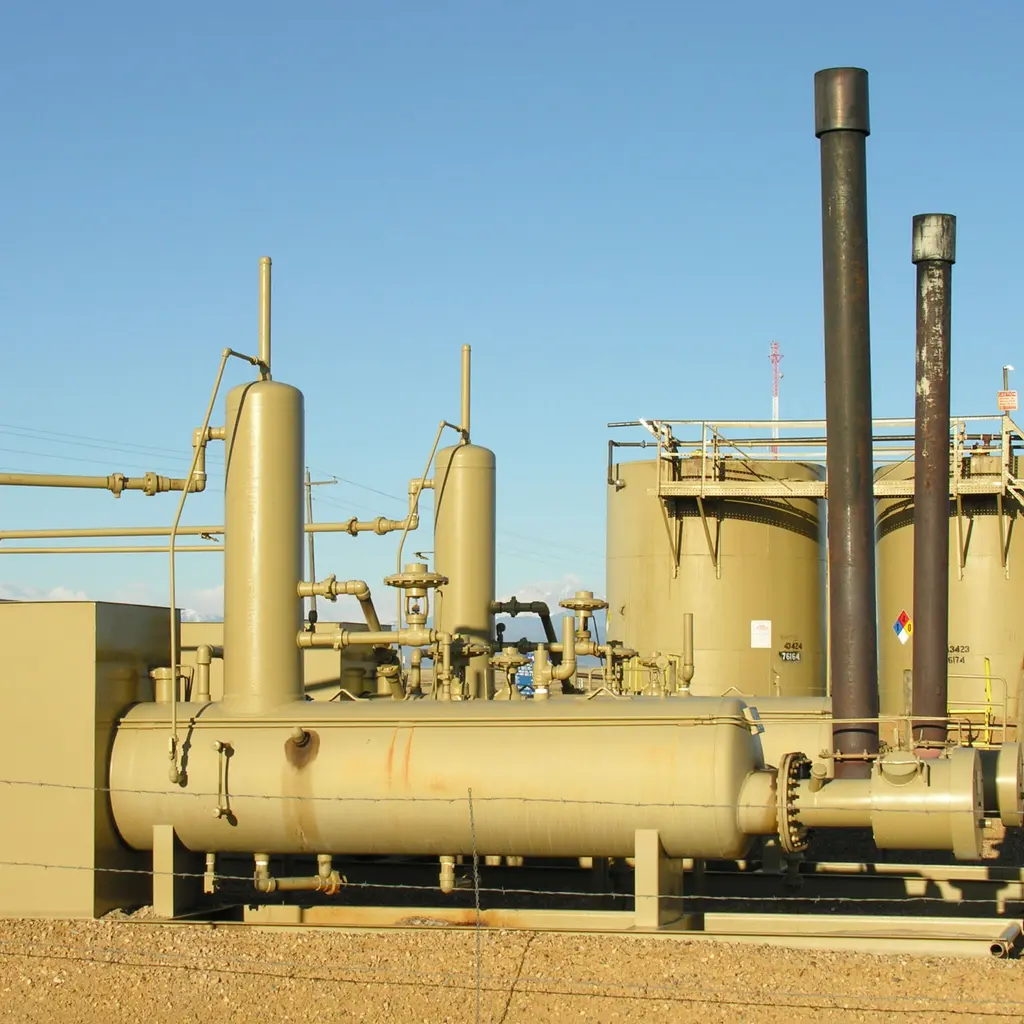
You operate pipelines transporting crude oil, chemicals, or liquids between production and storage facilities. A rupture or handling error could lead to significant cleanup and contamination liabilities along your transport routes.
The Southern Agency can help you review your routes, pumping stations and any storage you operate. We can compare pollution and property coverage with your responsibility for shippers' product, including the effect of a control-system outage.
Water crossings, developed land, and sensitive areas can complicate containment and cleanup.
Lost volume or a contaminated batch can create custody claims separate from damage to the operator's equipment.
Pump, valve or tank errors can interrupt flow, ignite product, or damage connected assets.
A control-system intrusion or monitoring failure can force shutdown; physical damage and cyber loss may have different triggers.
Policies to ask about. Which ones fit depends on your operations, your contracts, and the carrier’s forms.
These hypothetical examples are not agency claim results. Whether a loss is covered depends on the facts, policy terms, and applicable exclusions.
A pipeline ruptures at a river crossing and releases a shipper's product into the water. Pollution coverage may address cleanup and third-party claims for the insured substance and event. Natural-resource damage and the lost product need their own terms checked.
An operating error mixes two shippers' batches, leaving the product unsuitable for its intended use. Review whether custody or carrier-liability terms include contamination and the quality duties you accepted. A promise to deliver product to specification does not itself insure the loss.
An intrusion disrupts remote monitoring and you stop the line. Cyber interruption coverage depends on the insured systems and event, waiting period and control-system exclusions. Damage to physical equipment requires separate consideration.
Start with the work you do and the questions your current policies leave unanswered. Carrier options depend on your location, risk, and underwriting. Explore our approach.
A release can affect several properties and costly cleanup interests. Assess severity and retained duties instead of assuming a universal required limit.
Responsibility depends on custody, applicable law, and agreements. Ordinary GL does not automatically replace lost or contaminated product.
Only if the form includes the systems and incident involved. Control failure and physical damage may face restrictions.
Identify the rule that actually applies and its accepted evidence. A pollution policy or excess limit is not automatically sufficient.
Income cover needs a covered event and restoration basis. Every regulatory or precautionary shutdown is not insured.
Bring your questions, current policies, and relevant contracts. An agent can review coverage terms, exclusions, and the information carriers ask for, then explain the options available to you.