

Excavation or hot work injures crews
Trench collapse, burns, and lifting incidents can interrupt work and cause severe injury.
Try a different word, or check the spelling.
You may be hired to repair one section of pipe without assuming responsibility for the whole system. Liability for that section, damage elsewhere and a release needs to match the work and contract rather than a generic maintenance description.
Talk with The Southern Agency about your operation, policy terms, and the information carriers need.
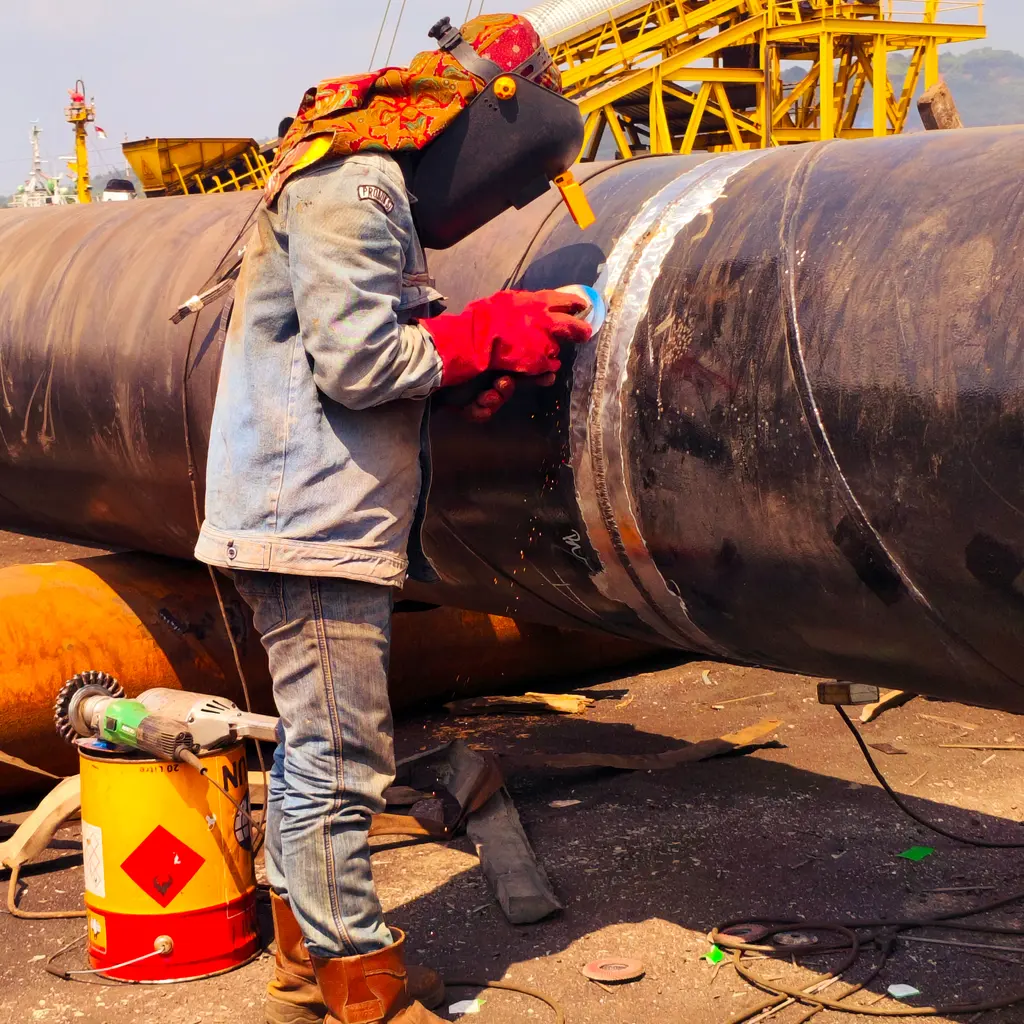
You perform excavation, welding, and repair work on pipeline systems, often around pressurized or flammable lines. Errors in this work can lead to property damage or costly cleanup, while trenching activities expose your crews to physical risks.
The Southern Agency can review your specific maintenance tasks, such as welding or recoating, to help you select appropriate insurance. For example, we can coordinate protection for mobile equipment like excavators alongside liability coverage for third-party damage.
Trench collapse, burns, and lifting incidents can interrupt work and cause severe injury.
A dig or weld error can cause property damage, release product, and provoke contractual claims.
Chemicals, disturbed contamination or a line breach can create cleanup and third-party duties.
Tools and rented machinery face theft, damage, and transport losses away from base.
Policies to ask about. Which ones fit depends on your operations, your contracts, and the carrier’s forms.
These hypothetical examples are not agency claim results. Whether a loss is covered depends on the facts, policy terms, and applicable exclusions.
An employee is injured when a trench wall collapses beside a repair. Workers compensation may pay covered medical and wage-loss benefits under the actual employer and work-state arrangements. Subcontractor employment and other-party liability need separate review.
During repair, a line is breached and product reaches neighboring land. Accepted contractor pollution terms may address covered cleanup or third-party claims. Damage to the pipe being worked on, correction of the repair and the operator's lost throughput require their own exclusions and contract review.
A portable welding rig is stolen overnight from a remote project. Mobile-equipment terms may address covered replacement if the owner, rented interest, location and theft conditions fit. Confirm valuation, deductible and site-security requirements; a vehicle policy is not proof that equipment left at the site is insured.
Start with the work you do and the questions your current policies leave unanswered. Carrier options depend on your location, risk, and underwriting. Explore our approach.
Read the specific agreement. Coverage types, limits, endorsements, and any bond vary by operator and project.
Potentially, depending on fault and contract. The part being worked on and resulting pollution can face major exclusions.
Suitable mobile equipment terms can include declared remote sites and transit, subject to valuation, theft, and rental provisions.
Only where required for the project. Bond approval is separate from liability underwriting and may involve indemnity to the surety.
Suitable contractor pollution may address covered releases. Existing contamination, transport, and completed operations need specific review.
Bring your questions, current policies, and relevant contracts. An agent can review coverage terms, exclusions, and the information carriers ask for, then explain the options available to you.