

Water escapes its intended path
Dam, penstock or spillway damage can affect downstream property and the plant itself.
Try a different word, or check the spelling.
If you also manage recreation around the reservoir, visitors bring liability concerns beyond electricity production. Dam, water-control and recreation terms need to match your responsibilities rather than rely on an ordinary premises policy.
The Southern Agency can help you compare generating equipment, civil structures and the downstream or visitor duties you retain.
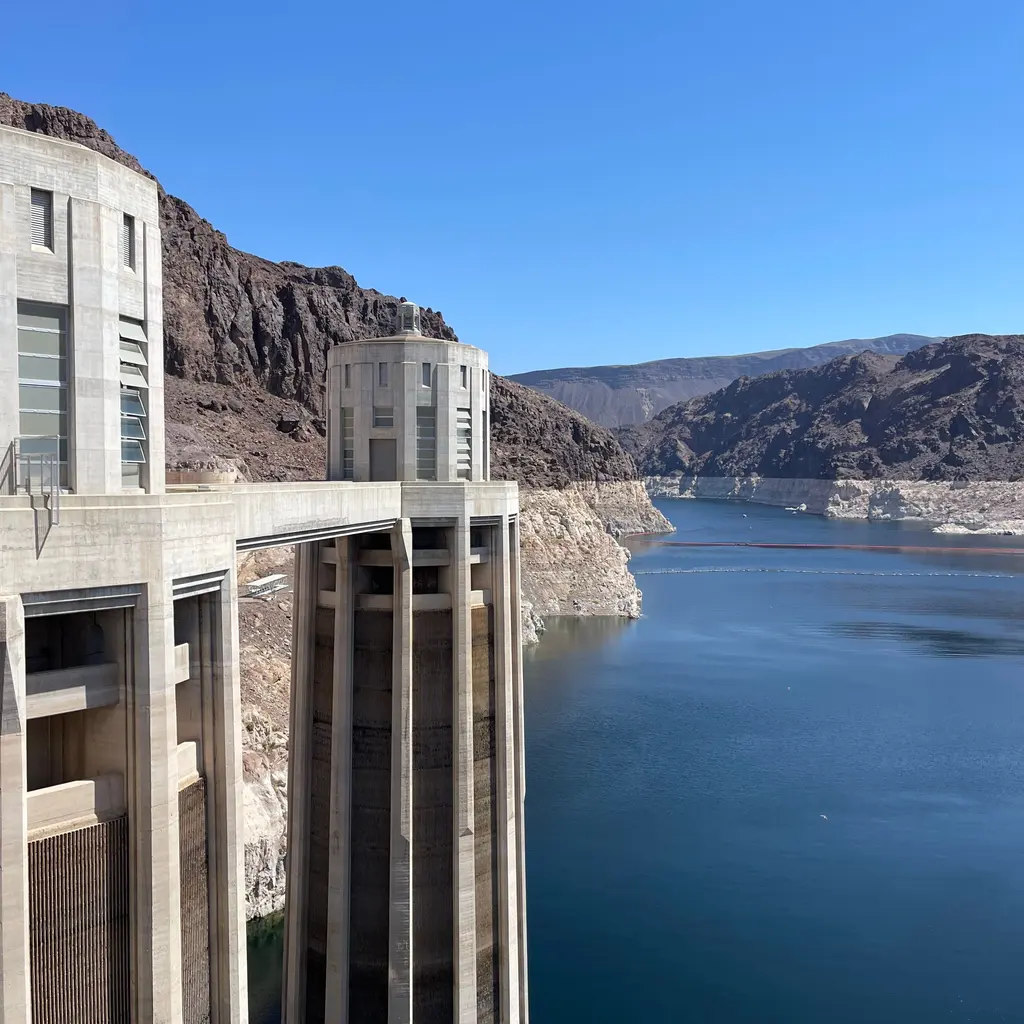
You manage hydroelectric facilities that turn water movement into electricity, while also maintaining reservoirs and water-control structures. Equipment failures or downstream issues could interrupt your sales and create significant repair and liability exposures.
The Southern Agency can review your turbine and water-control operations to help select insurance that addresses powerhouse physical damage, downstream liability, and equipment failure.
Dam, penstock or spillway damage can affect downstream property and the plant itself.
A turbine, generator, or gate failure can require lengthy repairs; gradual wear and sudden damage receive different treatment.
Boating, swimming, and concession activities can lead to injury allegations, depending on the operator's duties.
Flood inflows, ice, and sediment threaten equipment. Crews working near fast water or inside structures face serious injuries.
Policies to ask about. Which ones fit depends on your operations, your contracts, and the carrier’s forms.
These hypothetical examples are not agency claim results. Whether a loss is covered depends on the facts, policy terms, and applicable exclusions.
Hypothetical: an internal generator fault stops production during repairs. Breakdown may address a covered failure of declared equipment, with selected income terms addressing actual lost earnings during the insured restoration period. Investigate wear versus the insured fault; gate overhaul, power-delivery promises and every customer outage demand are separate.
Hypothetical: a boater alleges unsafe reservoir access after an injury. Suitable liability may address covered defense and damages under actual recreation duties and exclusions. Identify the access or concession operator and watercraft role; maintaining the dam does not establish responsibility or cover for every boating accident.
Hypothetical: flood-carried debris damages gates and interrupts generation. Property recovery depends on the declared civil works/equipment and accepted flood, debris and water-pressure terms. Gate repair, sediment removal and any income loss need their own applicable provisions; the powerhouse's fire cover does not establish all three.
Start with the work you do and the questions your current policies leave unanswered. Carrier options depend on your location, risk, and underwriting. Explore our approach.
Review water-control property, generating machinery, downstream liability and employee duties together, adding environmental and recreation protection where relevant.
Only suitable expressly written terms should be relied on. Dam exclusions, insured entities, and downstream interests need specialist review.
Coverage depends on permitted activities and retained duties. A reservoir's existence does not establish protection for all boating or swimming claims.
Qualifying breakdown and linked income protection may apply; wear, overhaul, and every outage are not automatically included.
Yes. Flood, water pressure, debris, and civil-structure restrictions can differ from ordinary fire protection.
Consider downstream severity separately from property values, and confirm excess follows the relevant dam and recreation risks.
Bring your questions, current policies, and relevant contracts. An agent can review coverage terms, exclusions, and the information carriers ask for, then explain the options available to you.