

Machinery requires specialist repair
Gearbox and generator failures can involve long lead times and crane access.
Try a different word, or check the spelling.
A turbine repair may need an oversized part, specialist handling, and crane access before work can begin. Your equipment and component-transit protection should reflect those logistics, with generation-income terms considered separately.
The Southern Agency can help you compare turbine and shared-grid dependencies, component handoffs and the repair periods behind your income needs.
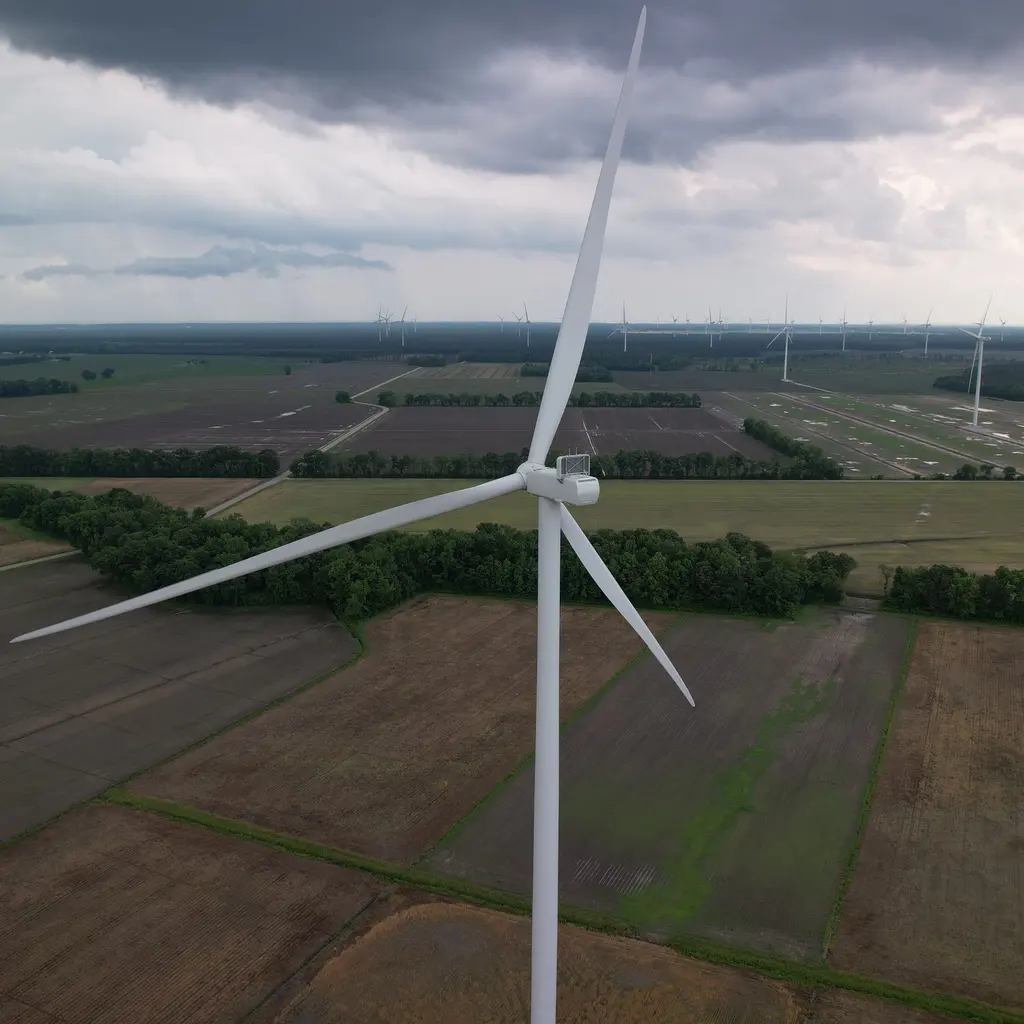
You manage turbines whose repairs can depend on oversized parts, specialist technicians and crane access. A gearbox fault may stop its turbine, while a shared transformer can interrupt several otherwise usable machines. Each creates a different repair and generation-loss dependency.
The Southern Agency can review your turbine dependencies and maintenance requirements to help you select insurance that addresses your specific repair and generation-income needs.
Gearbox and generator failures can involve long lead times and crane access.
Weather, lightning, and fire can affect assets high above the ground.
A substation or transformer can interrupt output from undamaged turbines.
Technicians work at height; oversized parts face handling and transport losses, and nearby people can face debris or ice allegations.
Policies to ask about. Which ones fit depends on your operations, your contracts, and the carrier’s forms.
These hypothetical examples are not agency claim results. Whether a loss is covered depends on the facts, policy terms, and applicable exclusions.
Hypothetical: an operating gearbox fails and its turbine stops. Breakdown may address a qualifying fault under actual machinery and cause terms. Compare component repair, crane mobilization and selected earnings cover with restoration conditions; fatigue, serial-defect correction and every access delay are not automatically one machinery payment.
Hypothetical: lightning ignites a nacelle. Property may address covered damage under actual tower/equipment interests, values and catastrophe terms. The turbine repair, specialist access and actual generation-income loss need their applicable provisions; a fire loss does not establish payment of every availability or delivery promise.
Hypothetical: a blade is damaged during an oversized shipment. Transit terms may address covered damage under actual owner interests, route and loading/handling stages. Compare supplier and carrier handoffs and any erection phase; an operating-turbine property value or domestic tool form does not automatically insure every shipment.
Start with the work you do and the questions your current policies leave unanswered. Carrier options depend on your location, risk, and underwriting. Explore our approach.
Assess turbine property, machinery, liabilities, employees, and transit phases, with site-specific weather and income terms.
Only qualifying causes and declared machinery are included. Wear, fatigue, serial defects, and warranties need separate review.
Suitable income protection follows insured triggers and restoration terms. Low wind and every grid outage are not automatically covered.
Only accepted shipments, routes, and handling phases qualify. Offshore transport or erection can require different forms.
They can request limits and allocate duties. Policy terms and underwriting must independently accept them.
Applicable employee protection should reflect height and electrical duties; contractor and offshore arrangements need separate review.
Bring your questions, current policies, and relevant contracts. An agent can review coverage terms, exclusions, and the information carriers ask for, then explain the options available to you.