

Rotating machinery fails
A pump or motor can need replacement and stop the connected segment.
Try a different word, or check the spelling.
Your pumps may share the switchgear and controls that keep a pipeline segment moving. Breakdown protection needs to reflect those dependencies without treating ordinary seal replacement or every delivery commitment as an insured loss.
The Southern Agency can review your station's equipment interests, connected-line duties and realistic repair time.
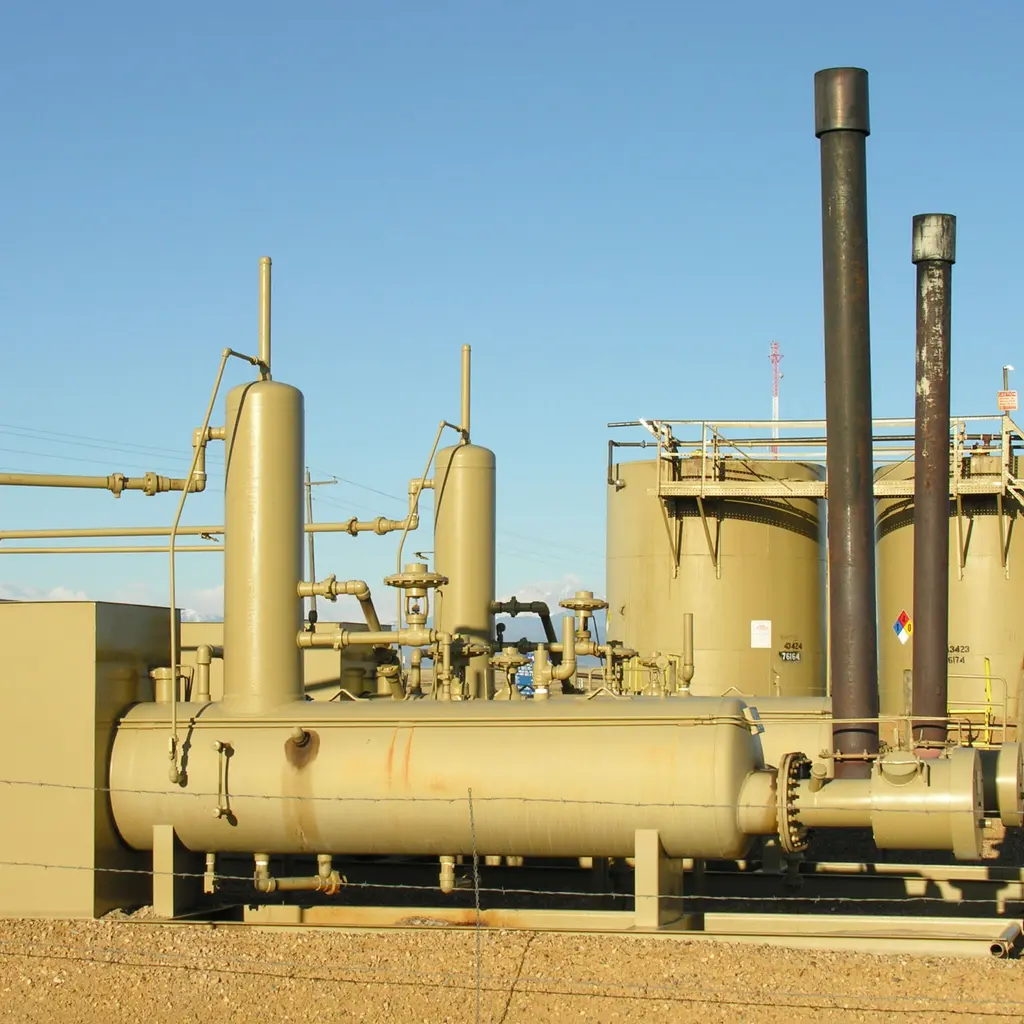
You maintain pumping stations that use motors and pumps to keep crude or other products moving through pipelines. A single seal leak can contaminate the soil, and a pump failure can halt flow far beyond your station.
The Southern Agency can review your station equipment, fluid handling and responsibilities to the connected pipeline. We can help compare machinery repair, release response and actual interruption earnings without treating a pump policy as cover for every outage commitment.
A pump or motor can need replacement and stop the connected segment.
Seal, valve or surge failures can release hydrocarbons and create fire or cleanup costs.
Switchgear or control faults can disable several pumps at once.
Maintenance exposes workers to pressure and electricity; supply agreements can add outage commitments.
Policies to ask about. Which ones fit depends on your operations, your contracts, and the carrier’s forms.
These hypothetical examples are not agency claim results. Whether a loss is covered depends on the facts, policy terms, and applicable exclusions.
An internal failure takes the mainline pump out of service and flow stops while a replacement is obtained. Breakdown may help pay covered repairs or replacement of included machinery. Income protection needs its own insured trigger, earnings calculation and restoration period; the station's lost margin differs from a pipeline customer's losses or delivery penalties.
A seal leak lets oil escape containment and contaminate surrounding soil. Environmental terms may help pay covered investigation, remediation and third-party claims when the substance, station and event fit. Establish when the release began and was discovered and reported. The soil impact does not prove groundwater damage or insure routine seal replacement and all lost product.
A switchgear fire damages electrical controls and stops several pumps. Property may help pay covered fire repairs to included station assets; any originating internal failure needs its applicable machinery terms. Trace the cause and damaged components, then review selected income and extra expense separately. Sharing electrical gear does not itself insure all downstream outage costs.
Start with the work you do and the questions your current policies leave unanswered. Carrier options depend on your location, risk, and underwriting. Explore our approach.
Property may pay covered fire or other damage to included station assets; breakdown may address a qualifying internal pump or motor failure. Establish the actual damaged part, cause and applicable terms. Ordinary seal replacement and wear alone are not the same event, and either repair grant needs separate income provisions before downtime is assessed.
A seal, valve or transfer release can create investigation, cleanup and third-party pollution claims that GL may restrict. Environmental terms may pay covered costs for the actual substances, locations and activities. Compare earlier conditions, discovery and reporting, off-site migration and emergency response; repairing the failed equipment and replacing lost product are different interests.
Applicable income terms may pay covered station earnings loss and continuing expenses after their insured trigger. Check waiting and restoration periods, actual spare capacity and repair or restart time. Lost throughput is not itself the earnings calculation, and a customer's penalty, replacement-service bill or preventive shutdown is not automatically included.
An operator or interconnect can request limits, insured parties, waivers and indemnities and allocate repair or release duties. Compare the agreement with accepted activities and actual policy endorsements. Requested reliability or flow guarantees do not bind an insurer, and matching the requested limit is not proof that every obligation is insured.
Insurer acceptance requires an individual assessment, not a conclusion from the presence of remote monitoring. Describe attendance, control dependencies, alarm handling, access and the people responsible for a fault or spill response. Any proposed property, breakdown, pollution and income terms still need their actual operations, causes and conditions checked.
Equipment values, fluids, containment, electrical dependencies, location, and losses inform underwriting.
Bring your questions, current policies, and relevant contracts. An agent can review coverage terms, exclusions, and the information carriers ask for, then explain the options available to you.