

Findings disputed after failure
A client may allege an omission or interpretation error contributed to an unrepaired defect.
Try a different word, or check the spelling.
An operator may plan repairs around your interpretation, while your sensor is still exposed inside its line. Reporting liability and in-pipe equipment protection need distinct consideration, including any retrieval restrictions.
Talk with The Southern Agency about your operation, policy terms, and the information carriers need.
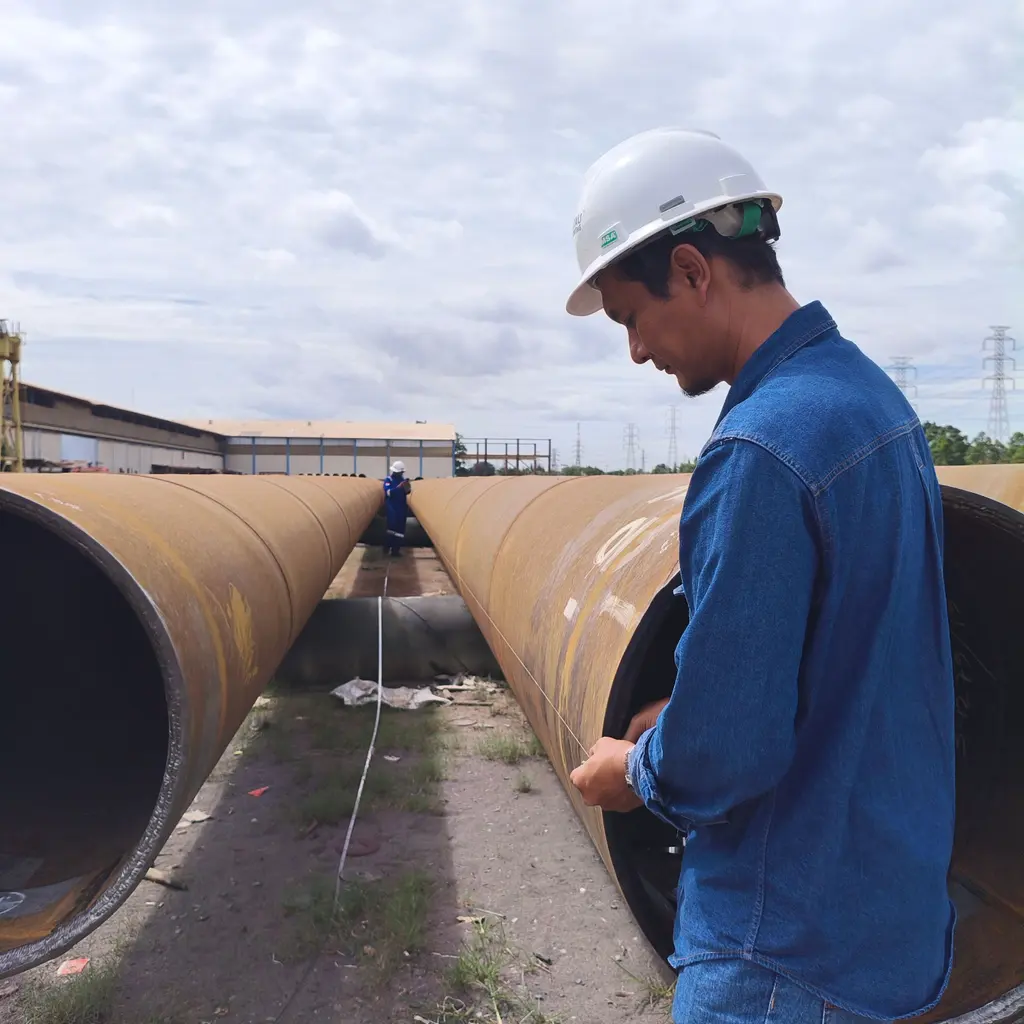
You provide inspection services using specialized tools to help operators identify pipeline anomalies and prioritize repairs. A disputed report following a failure or damage to your portable instruments could threaten your business continuity.
The Southern Agency can review your inspection tools and reporting services to help select appropriate insurance. For example, we can help you define professional liability coverage for your data interpretation.
A client may allege an omission or interpretation error contributed to an unrepaired defect.
Inline tools and sensors travel between projects and may be damaged inside a client's system.
Active facilities expose crews to pressure, confined spaces, and energized equipment.
Integrity data and client systems can be exposed through an intrusion or lost device.
Policies to ask about. Which ones fit depends on your operations, your contracts, and the carrier’s forms.
These hypothetical examples are not agency claim results. Whether a loss is covered depends on the facts, policy terms, and applicable exclusions.
After a leak, an operator alleges your report missed an anomaly and seeks repair and shutdown costs. E&O may help with covered inspection-error defense and damages. Accepted services, claim/reporting dates and injury, property or pollution exclusions determine whether physical-loss allegations fit; a pipeline failure does not itself prove negligence.
An inline inspection tool is damaged while traveling to a client site. Included mobile-property terms may address covered repair or replacement at the accepted valuation, limit and deductible. Transit acceptance does not establish in-pipe or retrieval protection; check those uses before deployment.
An intruder releases a client's integrity reports. Cyber terms may address covered investigation or confidentiality liability for included business information. Match actual records, response permissions and reporting; a promise to keep every report secret does not make every contractual remedy a breach-response benefit.
Start with the work you do and the questions your current policies leave unanswered. Carrier options depend on your location, risk, and underwriting. Explore our approach.
Clients rely on the findings. A disputed omission can create defense and damages exposure even though the firm does not own the line.
Only declared locations, uses, and causes qualify. Review in-pipe loss and retrieval separately from ordinary transit.
Yes, but a requested indemnity or limit does not mean the policy accepts every professional or pollution claim.
Yes. Access and confidentiality duties can produce response costs and allegations after a breach.
Employee injury, operational negligence, and professional error are different risks; one policy does not automatically cover all three.
Bring your questions, current policies, and relevant contracts. An agent can review coverage terms, exclusions, and the information carriers ask for, then explain the options available to you.